Beaches From Batalha: An Honest, Crowd-Free Guide
Batalha has no beach, and that's exactly why you should sleep here. Wake early, cross the Pinhal de Leiria and reach São Pedro de Moel before the crowds, with an empty car park and a calm sea. An honest guide to using the inland as a base and dodging coastal chaos.
Let's start with the truth no tourist brochure will tell you: Batalha has no beach. Not one. This is a town of stone, limestone and history, built around a monastery that feels too large for human scale. If you came here looking for sand, you either mistyped something into your GPS or, more likely, you are smarter than the average traveller and have worked out what most summer crowds never do: Batalha is the best base there is for escaping the chaos of the coast.
Let me explain. The stretch of coastline between Nazaré and Pedrógão is less than 40 minutes' drive from here. In summer, the famous beaches fill with people who sleep on the sand, pay 20 euros to park and fight for a square metre of towel space. Stay in Batalha, 15 to 20 kilometres inland, and you wake up far from that madness, drink a decent coffee for under a euro, and reach the right beaches before everyone else. This guide is about exactly that: using an inland town as a launchpad to the best of the central coast, and doing it with a cool head.
Why Batalha beats sleeping by the sea
The maths is simple. In August, a night in a seafront flat in Nazaré costs roughly double a comfortable room in Batalha. And what do you get for paying more? Noise until three in the morning, an exit traffic jam that looks like the queue for judgment day, and the privilege of sharing the beach with ten thousand other people. Batalha is the opposite: by late afternoon, once the tour buses drop the monastery and vanish, the town belongs almost entirely to those who sleep here.
If you are going to make Batalha your base, do it properly. The spa retreat at Hotel Villa Batalha is exactly the sort of thing that makes sense after a day of salt, wind and sand: indoor pool, sauna, and a Turkish bath to take the heat out of sunburnt shoulders. It is not cheap, but compared to what you'd pay for a mediocre seafront room in peak August, it starts to look sensible.
And there is an upside nobody mentions: sleeping away from the beach forces you to plan. And planning is, at heart, the whole secret to dodging the crowds.
The right beaches, and when to arrive
First rule, and the only one that really matters: arrive early. The beaches of central Portugal don't fill up for lack of space, they fill up because everyone arrives at the same time, between 11am and noon. Leave Batalha at 8:30am and you're on the sand by 9, with an empty car park and a calm sea. By 11, when the rest show up, you've already had the best hours of sun and can go to lunch without stress.
São Pedro de Moel: the safest bet
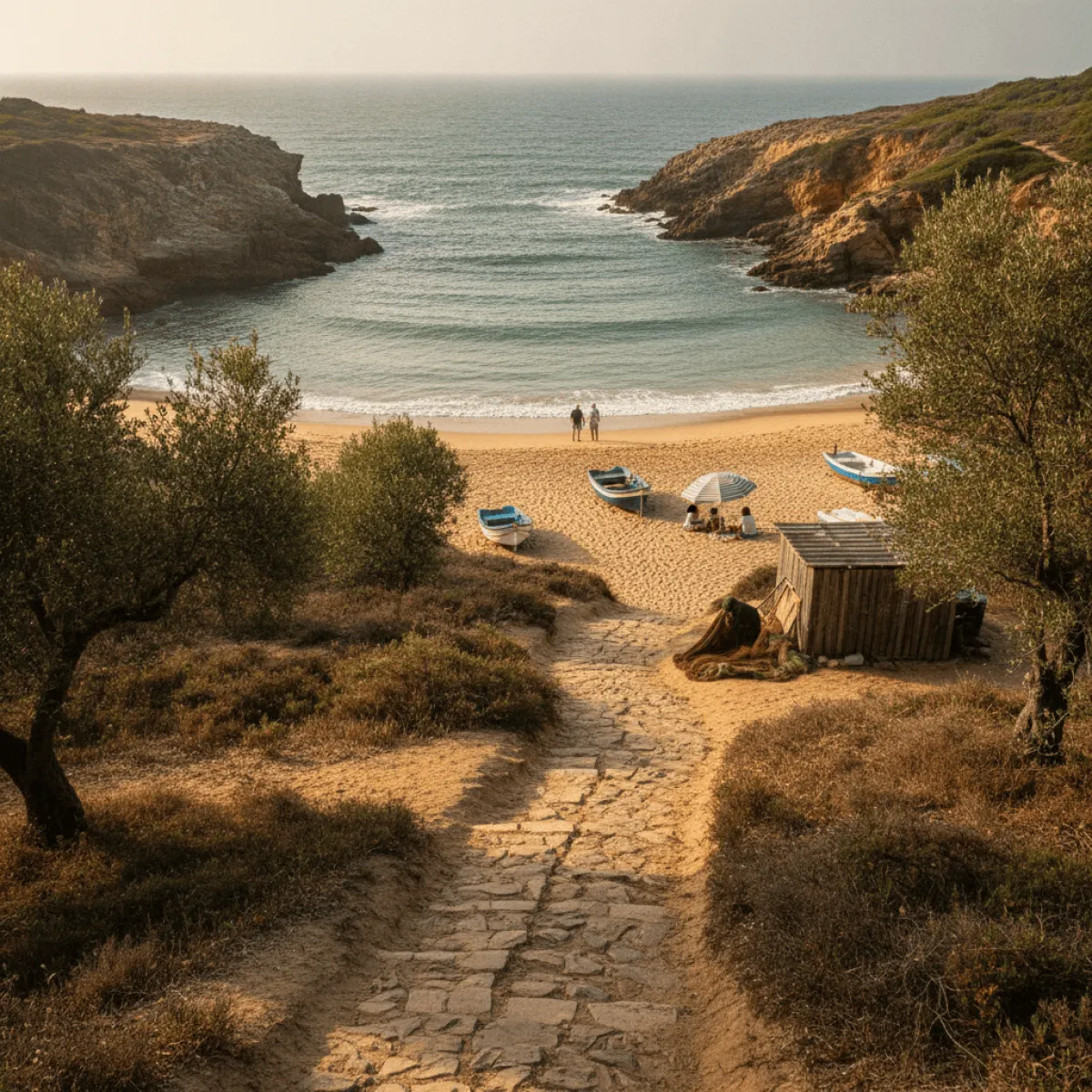
If you only have time for one beach, go to São Pedro de Moel. It's about half an hour from Batalha, cutting through the Pinhal de Leiria, the pine forest that King Dinis himself ordered planted seven hundred years ago to stop the dunes advancing. The road alone is worth it. São Pedro de Moel is a small seaside village of white houses hung off the cliff, with a sheltered beach and an ocean pool for anyone with kids or anyone who doesn't trust the Atlantic swell. Go outside August if you can; in June or September, it's practically a secret.
Praia Velha and Praia da Vieira: room to spread out
Further north, around Vieira de Leiria, the beaches are wide, breezy and far less saturated than Nazaré. Don't expect glamour: these are Portuguese family beaches, all sun umbrellas and beach balls, with simple restaurants grilling fish. That's exactly what makes them good escapes. Those who want to see and be seen go to Nazaré; those who want space come here.
Nazaré: go, but know what you're doing
I'm not going to tell you to skip Nazaré, that would be pretentious. Praia do Norte, where the world surf records are broken, is genuinely staggering, even in summer when the giant waves are asleep. But the town beach in the centre, in August, is one of the most packed in the country. The trick is to go to Nazaré in late afternoon, ride the funicular up to the Sítio, watch the sun set over the Atlantic from the cliff edge, and have dinner up there, away from the seafront chaos. The beach itself, leave it for another day, somewhere else.
The days the sea is impossible
The Atlantic on this coast is not the Algarve. There are days when the north wind hurls sand into your face and the red flag goes up. On those days, instead of being stubborn, stay inland, which is where Batalha truly shines.
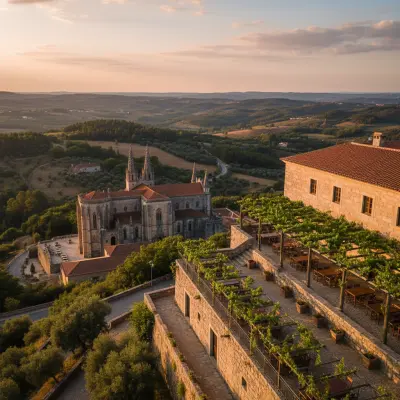
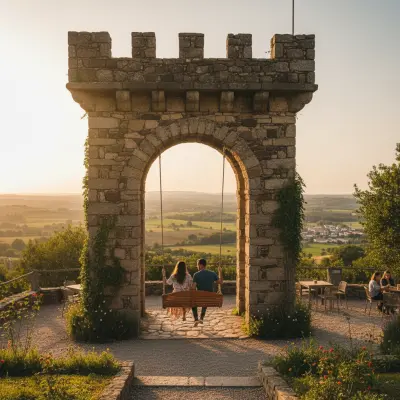
Start with the viewpoints. The Miradouro da Portela das Cruzes hands you the town and the whole valley in one sweep, and it's the right place to grasp the lay of the land before deciding where you'll head tomorrow. For something more fun, especially with kids or if you're into photography, the Torre swing in Barrozinha hangs out over the landscape and delivers the best photos in the area without you fighting anyone for the view.
And then there's the monastery, of course, but there's also the stone that built it. The stonemason marks workshop at the MCCB is one of those experiences that changes the way you look at a Gothic building: you learn to read the marks the master masons left in the stone, like signatures hidden in plain sight. On a rainy day it's worth far more than another loop around the shops.
Where to eat, without falling into the traps
The golden rule of the summer coast: never have lunch at the first seafront terrace with a menu translated into five languages. They're expensive, they're rushed, and the fish almost never lives up to the price. Eat only the essentials at the beach, a sandwich and something, and save your appetite for a proper lunch.
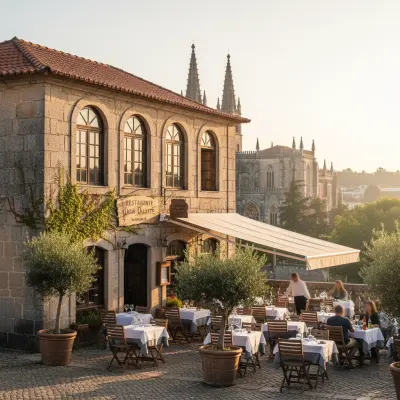
In Batalha, the Restaurante Dom Duarte is the right call for an honest Portuguese meal, with no performance for tourists. Save your big dinner for here: come back from the beach, swing by the spa, and head down to dine with the salt already off your skin. That's how you do a well-built summer day inland.
If you do eat on the coast, the safest bet is grilled fish at the simpler places in São Pedro de Moel or Vieira, where the fishermen still have lunch. Sardines in June, horse mackerel, sea bass if there is any. Ask what's fresh and ignore the rest of the menu. And always check prices before ordering shellfish, which is where the bill usually blows up.
Logistics without the drama
- A car is practically mandatory. Public transport between Batalha and the beaches is weak and badly timed in summer. Rent a car or rely on a taxi, but for multiple beaches the car pays off massively.
- Parking: in São Pedro de Moel and Nazaré, arriving early solves the problem. After 11am, prepare to circle around or park far and walk.
- Best time: June and September are the sweet spot: water still fresh but bearable, generous sun, and half the people. August is for masochists who miss queues.
- Bring a layer. Even in August, late afternoon on the Atlantic coast cools fast when the north wind picks up. A jumper in the bag saves the sunset.
Stretching the trip beyond Batalha
If you're staying a few days, it's worth treating the whole region as a board. To the north, about an hour away, sits Coimbra, and if you're travelling in late spring you might catch the city's energy described in our honest guide to the Queima das Fitas. To the south, towards the beaches, Caldas da Rainha offers walks that pair well with calmer sea days, as we cover in our guide to the April walks. And just minutes from Batalha, Fátima dominates the calendar: if you're travelling in mid-May, read the honest pilgrimage guide for May 13th before you put the car on the road, because the traffic changes everything.
The summary, in two lines
Batalha has no beach, and that's precisely why you should sleep here. Wake early, cross the pine forest, hit the sand before anyone else, have lunch on fish at a simple place, come back to the spa and dine with the salt off your skin fifteen minutes from one of Europe's great Gothic wonders. The crowds stay stuck on the seafront. You get the best of both worlds: the sea in the morning and the stone at night. It's just a question of knowing where to stay, and the answer is here.