Where to Stay in Santiago do Cacém by Neighborhood
Castle and market in the historic centre, sand and lagoon in Santo André, or total silence out in the cork oak country: Santiago do Cacém is three towns in one. Here's where to drop your bag depending on your travel style.
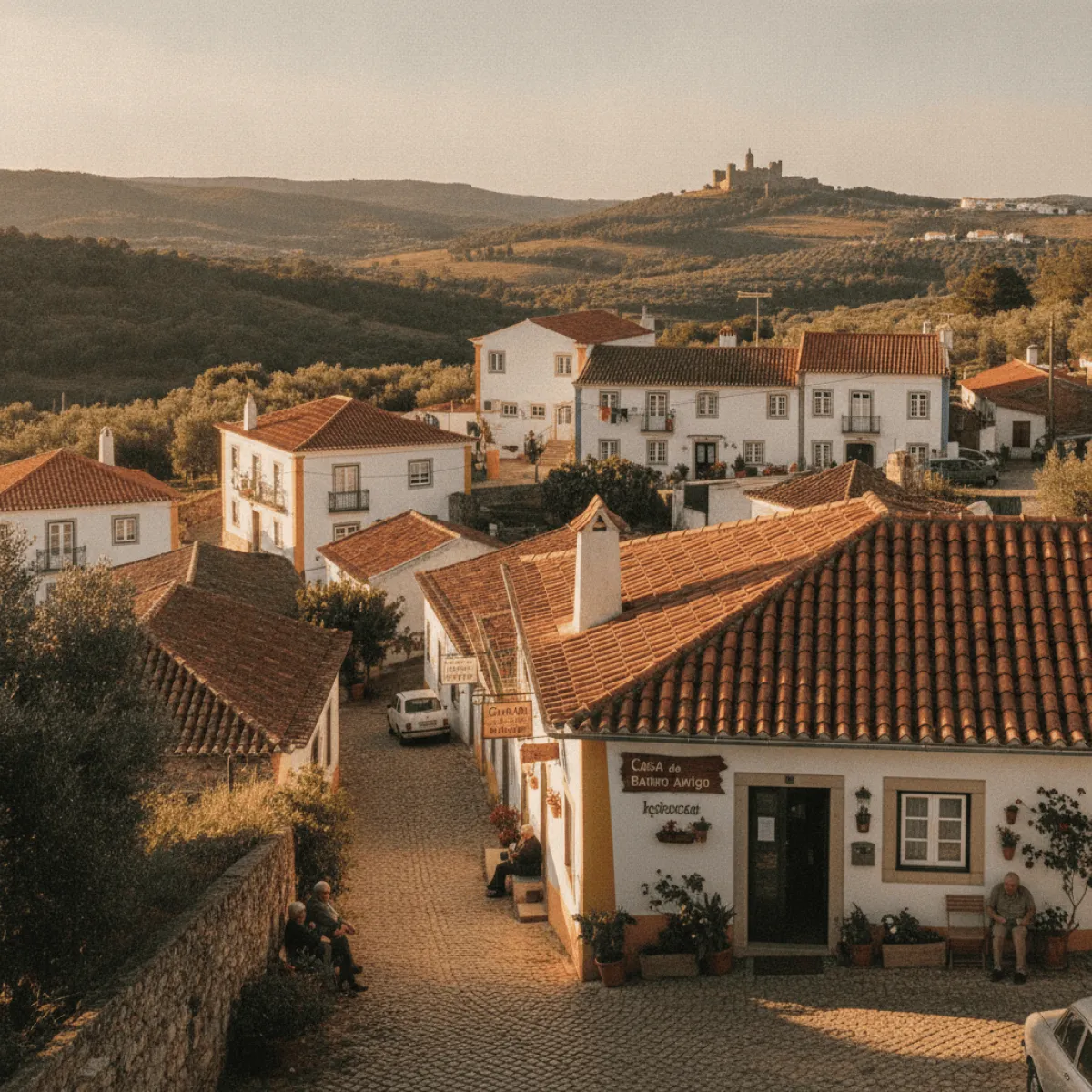
Santiago do Cacém is one of those Alentejo towns most people drive straight through on their way to the beach, never stopping. Mistake. Up here the Templar castle looks down over white houses spilling down the slope, the Roman ruins of Miróbriga sit a few minutes away, and just down the road lie the Santo André lagoon and the endless sand of the Costa de Santo André. For anyone who decides to stay, the problem isn't finding a bed. It's working out which part of town you want to wake up in, because Santiago do Cacém isn't one place. It's at least three different Santiagos, and the right neighborhood depends entirely on the kind of trip you're taking.
This isn't a list of hotels rated by stars and free breakfast. It's an honest map of where to drop your bag depending on your style: whether you want history and quiet, beach and lagoon, or the deep Alentejo countryside with nothing around for miles. Let's break it down.
The Historic Centre: sleeping inside the history
Start with the obvious that almost nobody makes the most of: the upper town, around the castle. The narrow lanes climbing from the centre up to the walls are the old heart of Santiago do Cacém, and this is where the town works best on foot. Early in the morning, before nine, the walk up to the castle is yours alone. At the top, inside the walled grounds, sits the town cemetery, which unnerves some visitors and charms others: few views in Portugal combine medieval ramparts, cypress trees, and the Alentejo plain rolling all the way to the sea.
Sleeping in the historic centre means having the municipal market on your doorstep, the stand-up cafés where a milky coffee costs barely more than a euro, and the bakeries serving the traditional Alentejo almond tart. It also means cobbled streets, some steep, and parking that takes patience. Don't come expecting five-star luxury: what this area offers is converted family houses, honest guesthouses, and the privilege of stepping out the door already inside the living town, not in a resort on the edge of it.
Staying in the centre also gives you the best base for one of the experiences I most recommend in the area: the guided visit to the Miróbriga ruins at sunset. The ruins are a few minutes from town, and watching the Roman baths and forum turn honey-coloured in the low evening light, the stones thrown into sharp relief, is worth the overnight on its own. Go at the end of the day, bring water and closed shoes, and stay until the light shifts.
Who it's for
- Travellers who walk everywhere and want to wake up inside the town.
- Anyone who wants castle, market, and neighborhood cafés within a few steps.
- People happy to trade big-hotel comfort for character.
Santo André: beach, lagoon, and the modern town
About twelve kilometres from the historic centre lies the municipality's other hub: Vila Nova de Santo André, a town planned in the 1970s, far newer and far more functional. If Santiago do Cacém is stone and history, Santo André is wide tarmac, straight streets, and above all closeness to water. This is where you stay when the whole point of the trip is the beach.
And what a beach. The Santo André lagoon is a nature reserve, a sheet of fresh water separated from the sea by a ridge of dunes, a paradise for birds and for anyone who likes to swim in calm water in the morning and the Atlantic in the afternoon. The Costa de Santo André, on the seaward side, is a vast wind-scoured stretch of sand, almost always empty outside peak months. Don't expect a slick beach bar on every corner: this is towel, flip-flop, and a flask of coffee territory. In summer there are concessions and facilities; off season, pack your own lunch.
Sleeping in Santo André makes sense if you're travelling with family, want to be minutes from the sand, or simply prefer the practical comfort of a modern town with supermarkets, fish restaurants, and parking without drama. The trade-off is you lose the charm of the old streets. It's a base, not a destination in itself. But as a beach base on the Alentejo coast, without the absurd prices of Comporta, it's hard to beat.
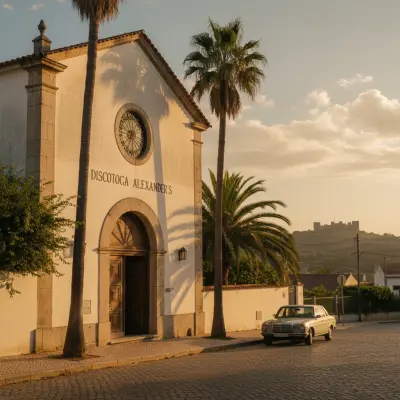
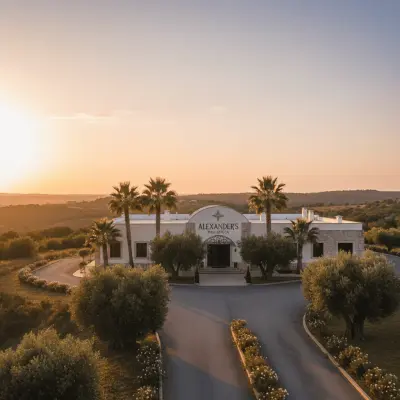
Santo André and its surroundings are also where much of the area's nightlife is concentrated. If your evening calls for something livelier than the silence of the historic centre, Discoteca Alexander's is the local reference for dancing until late, far from the Algarve's tourist dance floors. It's not magazine glamour, it's small-town fun in the best sense: local crowds, songs everyone knows, and nights that stretch into the early hours.
Who it's for
- Families and beach travellers who want sand around the corner.
- Anyone who prefers modern convenience to cobbles and narrow lanes.
- People who want freshwater lagoon and Atlantic surf in the same day.
The countryside: rural stays for vanishing off the grid
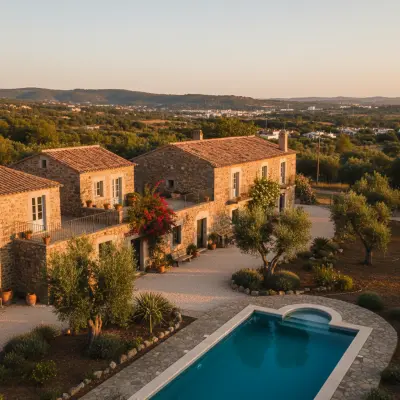
There's a third Santiago do Cacém, and it might be the most Alentejo of them all: the one beyond the towns, out in the cork oak montado, where the phone signal drops and the rooster is your alarm clock. For anyone who comes to the Alentejo looking for exactly this, rural tourism is the obvious call, and the town has good options a few minutes' drive from the centre.
My pick is clear: Casas da Moagem rural tourism. It's the kind of place you arrive at tense from the city and leave a different person three days later. Country houses of stone and wood, the smell of damp earth in the morning, and a silence that, unlike in the towns, is genuinely total at night, under a sky so full of stars that few places left in Europe can match it. Bring supplies, because dinner out means getting in the car, and use the time to cook slowly.
Staying in the countryside requires a car, and that changes the whole logic of the trip. Instead of walking the town, you base yourself here and set out on excursions: the historic centre in the morning, the beach in the afternoon, Miróbriga at the end of the day. It's the slowest option, the most expensive in driving, and at the same time the most rewarding if your real aim is rest. If you're burnt out and want to sleep eight hours straight again, this is where to do it.
Who it's for
- Couples and travellers chasing silence, stars, and zero rush.
- Anyone with a car who doesn't mind driving for everything.
- People who want the deep Alentejo without crowds or noise.
When to come: the calendar changes everything
The time of year you visit Santiago do Cacém matters as much as the neighborhood. In summer, especially July and August, Santo André and the beaches fill with Portuguese holidaymakers and prices climb; book ahead if you want to be near the sand. Spring and early autumn are, in my view, the best window: warm days, cool nights, empty beaches, and the montado green or gold.
If you can line your visit up with the town's big festival, better still. The Feira do Monte is the event that defines the local calendar: Alentejo tradition, crowds, food, music, and the pulse of the place packed into a single weekend. At that point every bed in the area vanishes, so plan weeks ahead. It's worth the effort: it's when Santiago do Cacém is most itself.
Getting there and getting around
Santiago do Cacém is well connected by road. From Lisbon it's roughly an hour and a half to an hour forty by car via the A2 and then the A26 or IC1, depending on traffic. From Setúbal it's quicker still. There are bus links from Lisbon, but to explore the municipality properly, especially the beaches and countryside, a car is all but essential. Without one you're confined to what you can do on foot in the historic centre, which is a lot, but not everything.
Inside the old town, forget the car during the day: park and walk. Between the centre and Santo André, allow about fifteen minutes by road. For the rural stays it depends on the property, but it's rarely more than ten or fifteen minutes from the centre.
So, which to choose?
To put it bluntly: if it's your first time and you want to feel the town, sleep in the historic centre and wake up inside the history, with the castle and market at your door. If you're here for the beach and travelling with family, Santo André gives you sand, lagoon, and easy convenience. If what you want is to escape everything, the countryside and rural stays are the answer, provided you have a car and the will to slow down.
The best thing about Santiago do Cacém, really, is that these three worlds sit minutes apart. You can sleep in the country and dine in town, or stay in the centre and spend the day at the beach. Few Alentejo destinations offer this much variety within such a small radius. And if the deep Alentejo gets into your blood and you want to keep exploring the region from the inside, it's worth seeing how to do a real weekend in another Alentejo town like Portalegre, or working out, before you move on, where the locals actually eat once they stop cooking for tourists. Santiago do Cacém is only the start.