Portalegre Without the Tourist Traps: A Weekend
Portalegre has the best museum nobody visits, a mountain range with Iberian lynx and full dinners for €15 with wine. The Alentejo that locals know but never recommend, because nobody asks.
Portalegre isn't on anyone's list. That's precisely why it works.
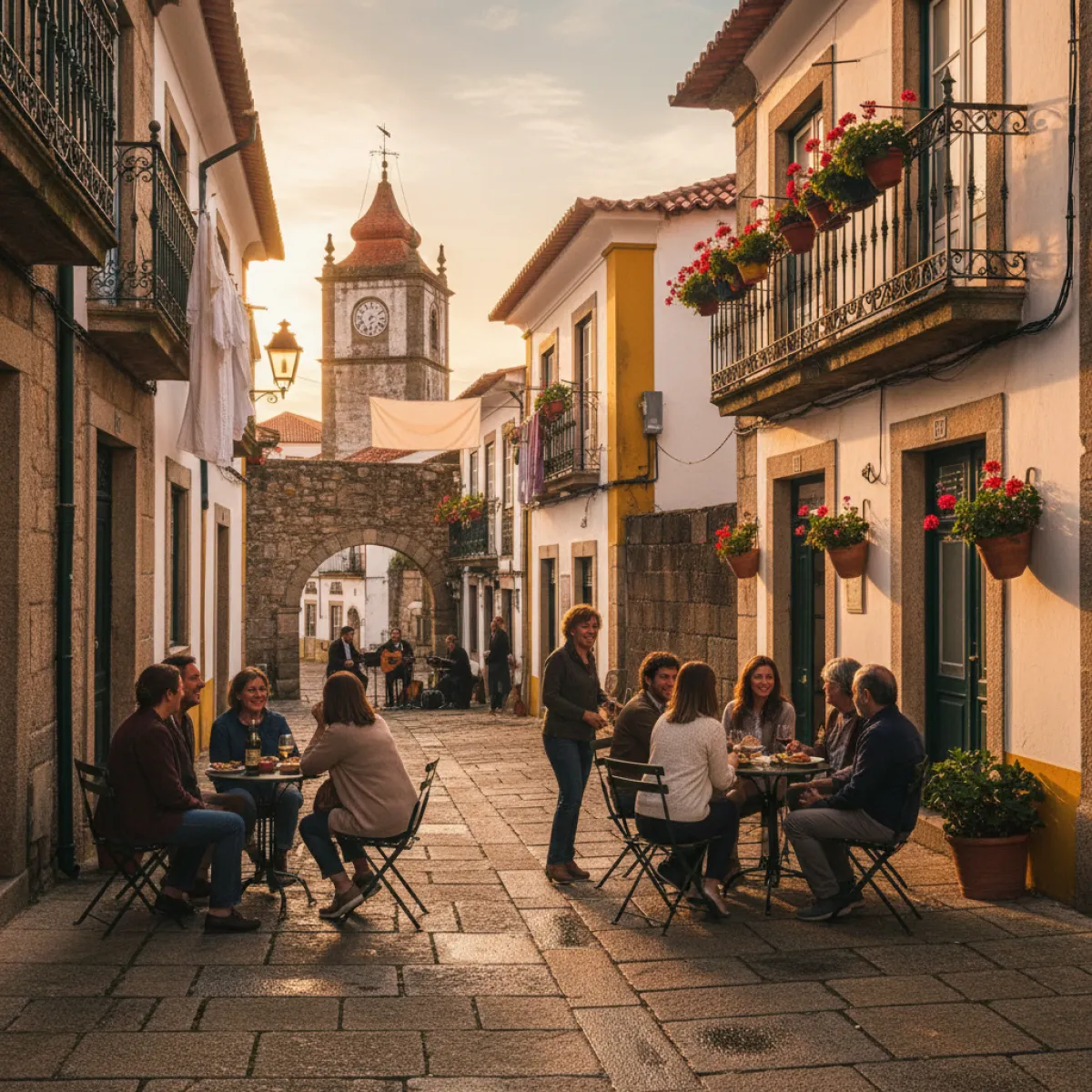
While half the world queues for selfies in Sintra and tourist-friendly Alentejo means Évora and the Vicentine Coast, this city leaning against the Serra de São Mamede keeps living at its own pace. No tour buses. No menus translated into six languages. Nobody trying to sell you an authentic experience, because here, authenticity doesn't need a marketing budget.
I spent a weekend there in October. Arrived Friday evening, left Sunday after lunch. That was enough to understand that Portalegre is the kind of place that rewards people who aren't in a hurry.
Friday Night: Arrive and Settle In
From Lisbon, it's about two and a half hours via the A6 motorway and then the N18. The last stretch, climbing toward the serra, is beautiful in the late afternoon, cork oaks, holm oaks, the green you don't expect from the Alentejo. Portalegre sits above 400 metres, which means you can actually breathe in summer while the rest of the Alentejo melts, and in winter you'll need a proper coat.
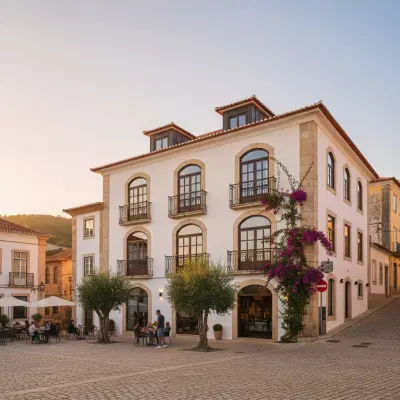
For accommodation, the Rossio Hotel is the sensible choice. It's central, which in Portalegre means you're walking distance from everything. Don't expect a design boutique hotel, expect somewhere clean, well-located and without unpleasant surprises. That's what you need as a base.
Friday night's plan is simple: dinner and a walk. Portalegre's historic centre is compact and, after nine, practically yours. Rua 5 de Outubro and the lanes around the Cathedral are the obvious circuit. Look for a restaurant with locals eating, that's usually signal enough. The cooking here is Upper Alentejo: black pork, migas, açordas, lamb stews. It's not Instagram food. It's food for people who've worked all day.
Saturday Morning: The Cathedral and the Old Town
Start early. Not because of tourist pressure, you won't find crowds, but because Portalegre in the morning has a particular quality of light. The city faces east and the serra works as a backdrop. By eight, the cafés around the Rossio square already have half a dozen old men debating the state of the world. Order a coffee and a torrada. Don't overthink it.
Portalegre's Cathedral is the logical starting point. Sixteenth century, Mannerist, with an interior that delivers more than the exterior promises. The azulejo panels and the altarpiece deserve ten minutes of your attention. It's not Évora's Cathedral, but it doesn't have Évora's Cathedral queue either.
From there, climb through the medieval quarter's streets. Portalegre Castle is a disappointment if you expect imposing walls, not much remains, but the view over the city and the serra compensates. What matters here isn't the individual monument, it's the ensemble: narrow streets, seventeenth and eighteenth-century manor houses with granite doorframes (real granite, from the serra right there), wrought-iron balconies. Portalegre was wealthy once. The money came from tapestry manufacturing and wool. You can see it in the façades.
The Tapestry Museum: The Best Museum Nobody Visits
If you do one thing in Portalegre, make it the Museu da Tapeçaria de Portalegre Guy Fino. Seriously. This isn't a recommendation out of cultural obligation, it's genuinely one of the most surprising museums in the country.
The Portalegre Tapestry Manufactory developed a technique unique in the world. We're not talking generic decorative tapestry. We're talking pieces based on works by artists like Vieira da Silva, Almada Negreiros, Júlio Pomar, reproduced in such fine stitch that, from two metres away, they look like paintings. The technique is exclusive to this factory. It doesn't exist anywhere else.
The museum is housed in the former Achaioli Palace, which is handsome in its own right. Give it at least an hour. Check opening times before you go, like many small-city museums, schedules can vary.
Saturday Afternoon: Serra de São Mamede
After lunch, leave the city. Serra de São Mamede is Portugal's most overlooked Natural Park, and possibly its most underrated. It's the highest mountain range south of the Tagus (São Mamede peak, 1,025 metres), with biodiversity that includes deer, wild boar, griffon vultures and Bonelli's eagles. If you're lucky and patient, you might spot an Iberian lynx, the serra is one of the reintroduction zones.
For hiking, the trail to the peak is accessible for anyone with basic fitness. About two hours return from the road that climbs through the serra. Bring water and sun protection in summer, the altitude is deceptive and the sun doesn't forgive. In winter, layer up, because the wind at the top cuts through everything.
If you prefer driving, the road through the serra to Marvão is one of the most beautiful stretches in the Alentejo. Twenty minutes of curves through chestnut trees, oaks and cork oaks, with views that suddenly open onto the Spanish plain on the other side.
The Mandatory Detour: Marvão
I know, I said no tourist traps. Marvão is better known than Portalegre, it appears on "most beautiful villages" lists and draws some tourism. But if you're twenty minutes away, ignoring it would be snobbery.
Marvão is a fortified village perched at 860 metres, with a medieval castle commanding the landscape in every direction. The view is absurd. On a clear day, you can see Spain, the entire serra, the Alentejo plain as far as the eye reaches. The castle is free or very cheap to enter, check locally.
The trick is going late afternoon, when the day-trippers have left. At six in the evening in Marvão, outside August, you practically own the castle. Stay for sunset. Worth it.
For dinner back in Portalegre, look for sopa de cação (dogfish soup, if in season), lamb stew, or anything featuring black pork. The Alentejo is meat-and-bread territory. Not fighting it is the best gastronomic strategy.
Sunday Morning: Castelo de Vide and the Thermal Springs
On Sunday, before heading back, detour through Castelo de Vide. Another Northern Alentejo town that deserves more attention and doesn't get it. Castelo de Vide's medieval Jewish quarter is one of the best-preserved in Portugal, tiny streets, houses with Gothic ogival doorways, a medieval synagogue that's now a small museum. The Fonte da Vila, in the heart of the Jewish quarter, has water flowing directly from the spring, you can drink it.
Castelo de Vide also has thermal baths, if you want a less active Sunday morning. The water is sulphurous and allegedly good for skin and digestive issues. Check hours and prices before visiting.
What to Eat and Drink
Northern Alentejo cooking is more mountainous than the central Alentejo variety. Less cured sausage, more fresh meat. Kid goat and lamb are king. Migas à alentejana are mandatory, bread soaked in pork fat with meat. It's not a subtle dish. It wasn't designed to be.
Local serra cheese is another speciality. Nisa cheeses, produced a few kilometres away, are excellent, semi-cured, with thistle rennet, strong-flavoured and buttery.
For wine, you're in Alentejo territory. Regional reds work with everything you'll eat. Order local and don't overthink it. If you find something specifically from the Portalegre sub-region, even better, wines here, because of the altitude, tend to be fresher and lighter than the Alentejo plains reds.
Conventual pastries are present, as across the Alentejo. Look for boleimas (fried pastries stuffed with pumpkin) and honey cakes, they're specific to this area.
Practical Information
By car from Lisbon: about 2h30. There's no practical direct train connection. Buses exist (Rede Expressos), but they limit your mobility once there. A car is essentially mandatory if you want to explore the serra, Marvão and Castelo de Vide.
Petrol: fill up before leaving the motorway. Stations exist in the area but aren't abundant.
When to go: Spring (April–May) and autumn (September–October) are ideal. Summer is possible, the altitude softens the heat compared to the Alentejo plains, but it's still hot. Winter is genuinely cold, especially in the serra, but has a particular charm if you like towns without tourists (even fewer tourists than usual).
Budget: Portalegre is cheap. Full dinners for €15–20 per person with wine. Reasonable accommodation prices. It's one of the best value-for-money regions in the country.
Who This Weekend Is For
If you've already done Évora, and you should have, as we cover in our guide to Évora's slow pulse, Portalegre is the next step. It's the Alentejo that Alentejanos know but rarely recommend to outsiders. Not out of selfishness, but because nobody ever asks.
If you're looking for a more contemplative deep-dive into the Alentejo capital, our sentimental guide to Évora offers another angle. And if you only have a day for Évora before heading north to Portalegre, there's a one-day precision itinerary that covers the essentials.
Portalegre doesn't need you to uncover its secrets. It isn't hiding any. They're all right there, in the streets, in the museums, in the serra. You just have to show up.