The 15 Best Algarve Beaches to Visit in July
In July, the difference between a great week and a frustrating one in the Algarve is half an hour in the morning. This guide, written by someone who has driven the A22 for fifteen summers, walks through fifteen beaches from the Costa Vicentina to Tavira, with real arrival times, honest prices, and the tricks that dodge the coaches.
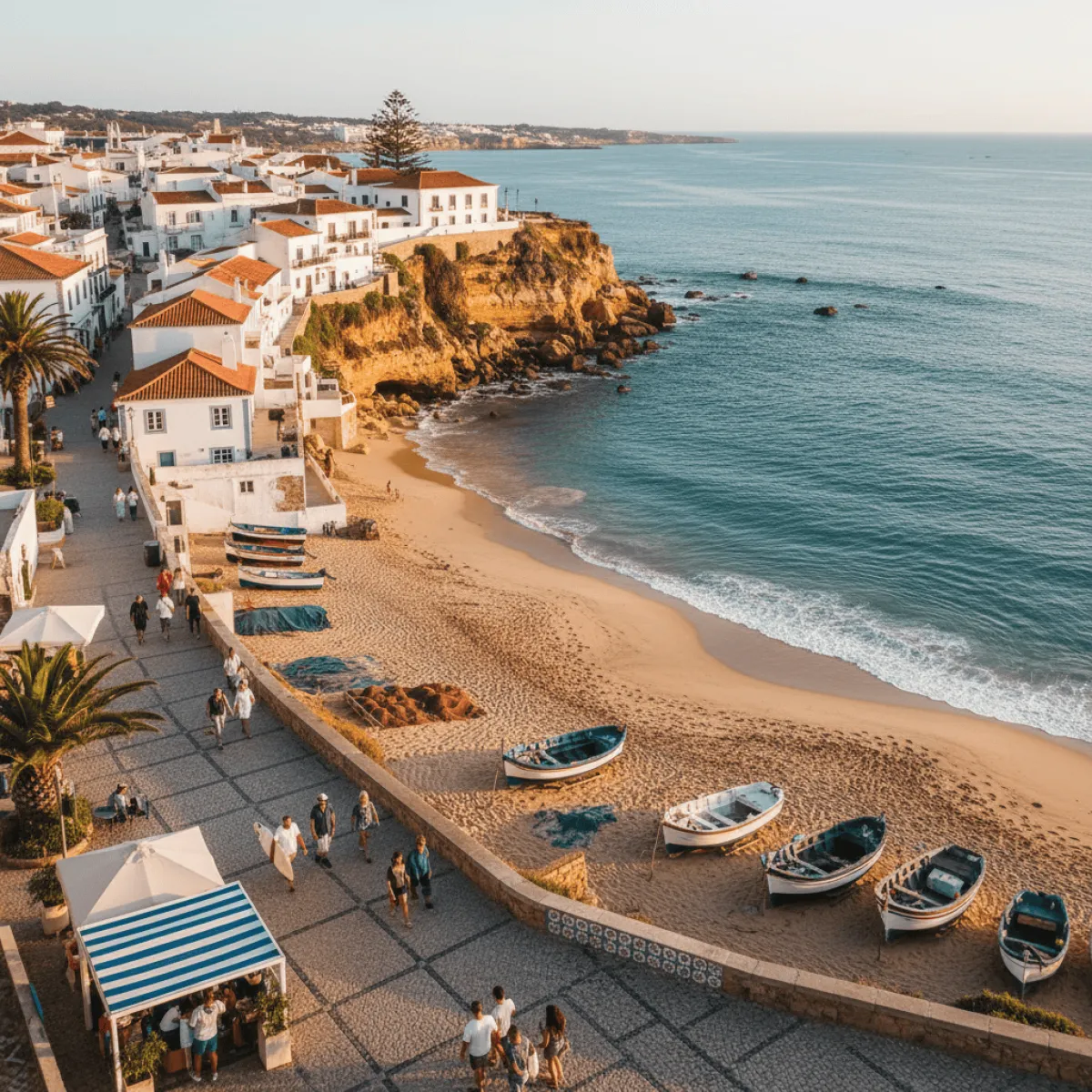
Let us be honest: in July, the Algarve fills up. Coaches dump tour groups at Marinha by 11am, the Falésia car park is full before lunch, and anyone attempting to lay out a towel at Camilo after 10.30am will be apologising to half a dozen strangers within minutes. Writing about the best Algarve beaches in July is therefore about strategy. It is not enough to know where to go. You need to know what time to arrive, where to park when the obvious car park is already full, and at what hour of the day a famous beach becomes breathable again.
This guide was written by someone who has driven the A22 motorway for fifteen summers and who learned, the hard way, that the light at 7.30am on an Algarve beach is worth any alarm clock. In July, the sea temperature sits at around 19 to 20 degrees on the west coast and 21 to 23 on the south coast, the northerly wind picks up after three in the afternoon around Sagres, and the sun sets at 9pm. Use these variables to your advantage. And if you want a cooler counterpoint to the heat, the Rota Vicentina coastal trails near Ericeira offer a fresher alternative worth a separate chapter.
The three-zone rule: west, central and east Algarve
The Algarve is not one place. It is three. There is the Costa Vicentina to the west, with schistose cliffs, cold waves, and strong winds. There is the Barlavento, from Sagres to Albufeira, where the honey-coloured cliffs that fill every Portugal calendar are found. And there is the Sotavento, from Faro to Vila Real de Santo António, with white sand, lagoons, and barrier islands. For a July visitor, the Costa Vicentina is the place for wind and cold water, the Barlavento is where you spend a morning and flee at midday, and the Sotavento is where you can sit out a whole day without trauma.
1. Praia do Amado, Aljezur
Start with the Costa Vicentina, for the only sensible reason in July: the heat. While Tavira boils at 38 degrees, Amado sits at 24 with a steady northerly. It is a surfer beach, with a surf school, generous parking, and two kiosks where a tuna sandwich runs between 7 and 9 euros. Arrive before 11am or after 4pm, avoid the trade winds in early afternoon. Not a beach for long swims: the water is 17 to 18 degrees, your ankles will hurt within seconds.
2. Praia da Bordeira, Carrapateira
A few kilometres from Amado, wilder, with an immense beach crossed by a stream that forms a salty lagoon at low tide. Children lie in this warm lagoon like a natural pool while parents actually manage to read a book. Access is via wooden walkways over dunes, and the car park is unpaved. No restaurant on the beach, bring fruit and water. Halfway back to the village, a small café serves decent toasties and ice-cold beer for under 5 euros.
3. Praia do Castelejo, Vila do Bispo
Dark sand, choppy water, and the best beach restaurant I know west of Lagos, with fish grilled to order at honest, posted prices. In July, phone ahead to book. The drive down follows a narrow road with Atlantic views. Below, the black cliffs contrast with the white foam like a poorly developed black-and-white film. A quick swim, a long lunch.
4. Praia do Beliche, Sagres
Between Sagres town and Cape St Vincent, accessed by wooden stairs, tall cliffs that shelter you from the northerly even in July. It is where Sagres surfers come when the wind ruins the rest of the Costa Vicentina. Cold water, but the cape shelter makes the afternoon bearable. Bring a hat and water, there is nothing on the sand itself.
5. Praia do Tonel, Sagres
Beliche's neighbour, more exposed, but with a rare advantage: a sunset over the western Atlantic with no curtains in the way. In July, people stay past 9pm just to watch the sun fall behind the cape. Bring wine, bring a jacket, and bring patience for the final climb back: about 80 steps.
6. Praia da Marinha, Lagoa
Yes, the famous one. The drone-shot beach with the limestone arches on every guide cover. In July it is a problem, but there is a trick: be there at 7.30am. The car park still has spaces, the light glows orange against the limestone, and for an hour you almost have the sand to yourself. By 9am, start climbing back up. You will be leaving as the coaches start arriving. It is not a beach for an all-day swim, it is a beach for the image. For a real swim, try nearby Praia de Benagil early, or even better Praia da Cova Redonda in Porches, equally beautiful and less invaded.
7. Praia do Carvalho, Lagoa
800 metres from Marinha, accessed by a short tunnel cut through the cliff, which alone causes most cruise tourists to give up. Small beach, cliffs frame the sunset perfectly, and the water is calmer because it is sheltered. In July, arrive by 10am. There is no service here, this is towel and thermos territory. Leave before high tide.
8. Praia de Benagil
Forget the cave. Go to Benagil for the beach itself and for breakfast at one of the beach restaurants with direct sea views. The cave has become a circus of paddleboards and tour boats, with queues that kill any romance. If you really want to enter, kayak in at 8am from Benagil beach, it is the only civilised way. Rental runs about 20 to 30 euros per kayak for two hours. Check locally, prices vary by operator.
9. Praia do Camilo, Lagos
200 steps down, count them on the way and promise yourself not to think about the climb back until you must. The beach is split in two by a short tunnel through the cliffs. In July it is essentially impossible from 10am onwards. But arrive at 8am and you get forty minutes of golden light and still-cool sand before the swarm. Walk into Lagos for coffee on Avenida dos Descobrimentos afterwards, and return to the beach in late afternoon when the coaches are long gone.
10. Praia da Dona Ana, Lagos
Larger than Camilo, more accessible, with car access and a proper car park (which fills, naturally, but exists). This is the beach where I take family with small children in July because the water is reasonably calm, there are lifeguards, and the cliff-top restaurant serves marinated mackerel and cold beers at decent prices. Two sun loungers and a parasol run 15 to 20 euros per day. In August it can reach 25.
11. Praia da Falésia, Albufeira
Six kilometres of continuous sand between red cliffs, and that length is the secret. Even in July, walk ten minutes from any access point and you will find empty sand. The Açoteias access is calmer, Olhos de Água is more touristed. I prefer the former. There are concessions for quick meals, but the better plan is to pack a picnic and stay until late afternoon, when the cliffs go red like a postcard at golden hour.
12. Praia de Vale do Lobo
We are in the sotavento now. Wide sand, warm water, resort atmosphere, resort prices. If you are travelling the Algarve in gastronomic mode, lunch at one of the cliff-top restaurants and stay for the afternoon. Not the most original beach in the Algarve, but the easiest for a family that does not want a parking battle.
13. Praia da Ilha de Tavira
Everything changes here. A barrier island, reached by ferry from Tavira or Santa Luzia. The Tavira ferry leaves from the pier next to the market and costs around 2 to 3 euros return. The crossing is part of the experience. On the island there is a small restaurant with grilled fish, lifeguards, and kilometres of white sand for anyone who fancies a walk. The eastern Algarve water is warm, in July it climbs past 22 degrees, and the wind is gentler. Bring your own hat, rentals exist but are limited.
14. Praia do Barril, Tavira
Accessed via Pedras d'el Rei, where a small tourist train crosses the lagoon. The ticket runs about 2 euros. On arrival, the famous anchor cemetery: dozens of old anchors planted in the dunes, a memorial to the tuna fishery that once existed here. Decent restaurant, vast beach, warm water. In July you can still find space if you walk five minutes east from the main concession.
15. Praia da Ilha Deserta, Faro
The far end of the Algarve in every sense. Boat access only, departing from Faro's quay, around 45 minutes each way, with prices to confirm locally as they vary by operator. No village, no noise. There is a single restaurant, sustainable, serving Ria Formosa shellfish, and a dune that runs for kilometres without a soul. Book your return passage, boats do not leave constantly. Bring sunscreen, a light shirt for your shoulders, and time. This is not a beach you do in two hours.
Where to sleep, where to eat between beaches
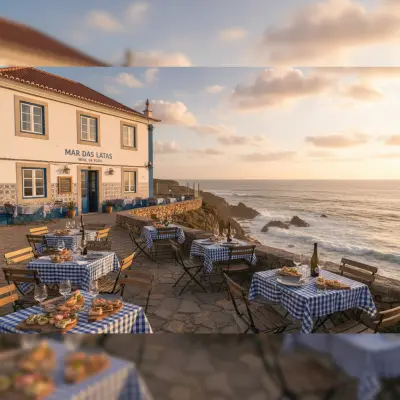
The Algarve is vast and sleeping far from the beaches means hours of driving each day. The rule I follow: three nights in the west (Lagos or Carvoeiro as a base), three in the east (Tavira or Olhão). For those who prefer a completely different rhythm, with cold waves and serious land-and-sea cuisine, consider heading up the coast to Lisbon and trying the kitchen at Mar das Latas Wine & Food in Ericeira, one of the more interesting restaurants on the west coast for anyone who appreciates serious tinned fish and unobvious wines.
When the heat is too much: escapes inland and north
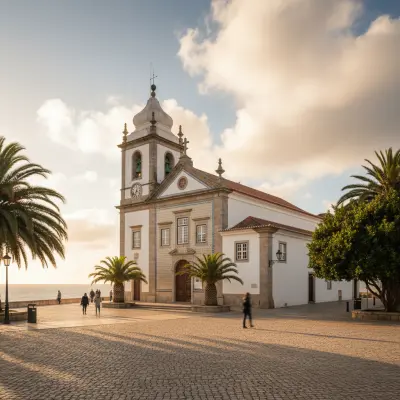
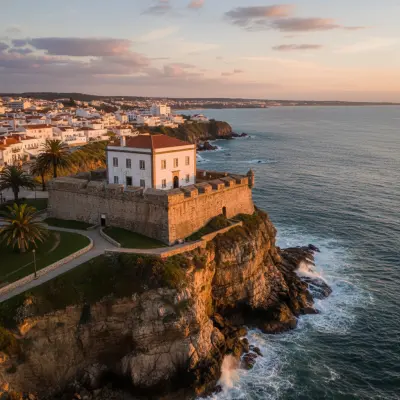
If July in the Algarve climbs above 38 degrees, and on some days it will, consider two or three nights elsewhere. Sintra is ninety minutes by train from Lisbon, cooler thanks to altitude and forest, and works as a thermal reset. Our Sintra neighbourhood guide helps you plan without falling into the obvious tourist traps. For those who want to stay near the coast but escape the Algarve, Ericeira is the obvious alternative, with its historic pillory in the old centre, the Igreja de São Pedro with its distinctive façade, and the Forte de Nossa Senhora da Natividade guarding the bay. And for families on the road, the sweets of Mafra are a compulsory technical stop on the way back to Lisbon.
Practical advice for July
- Book accommodation at least two months in advance. In July the Algarve is full and what remains at the last minute is expensive and bad.
- Rent a car. The most beautiful beaches have no realistic public transport.
- Buy 50+ sunscreen at the supermarket, not at a beach shop. The price difference is around 10 euros per bottle.
- Eat lunch late, at 2.30pm, when the midday menus are sold out and the package tourists are back at the hotel.
- Drink water. Drink more water. In July you dehydrate silently.
- If you want to know another side of Portugal beyond the coast, read our guide to local culture in Lisbon, useful for the flight home day.
A final note
The Algarve in July is not the Algarve of May, nor of October. It is a region at its tourist peak, with everything that implies, good (energy, life, restaurants open late) and bad (queues, heat, prices). The difference between a memorable week and an irritating one is half an hour in the morning. Wake up early. Eat lunch late. Take a siesta. And do not try to visit all fifteen beaches in this guide in seven days. Pick four or five and live them slowly. The Algarve rewards those who slow down.