Visit
€
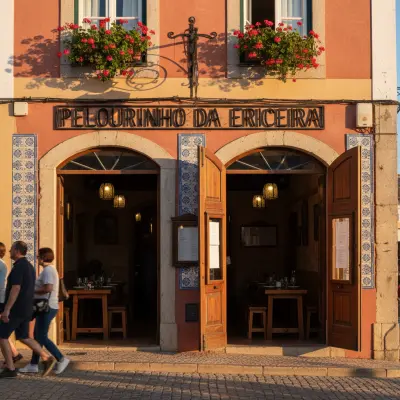
Pelourinho da Ericeira
Ericeira
Built in 1706 on the orders of King Pedro II to defend Ericeira's fishing port, the Forte de Nossa Senhora da Natividade still stands above Praia dos Pescadores with its barrel-vaulted barracks and powder magazine intact. Restored and reopened in 1976, it is one of the few places in Ericeira where you can read the original logic of the town in the stone itself.
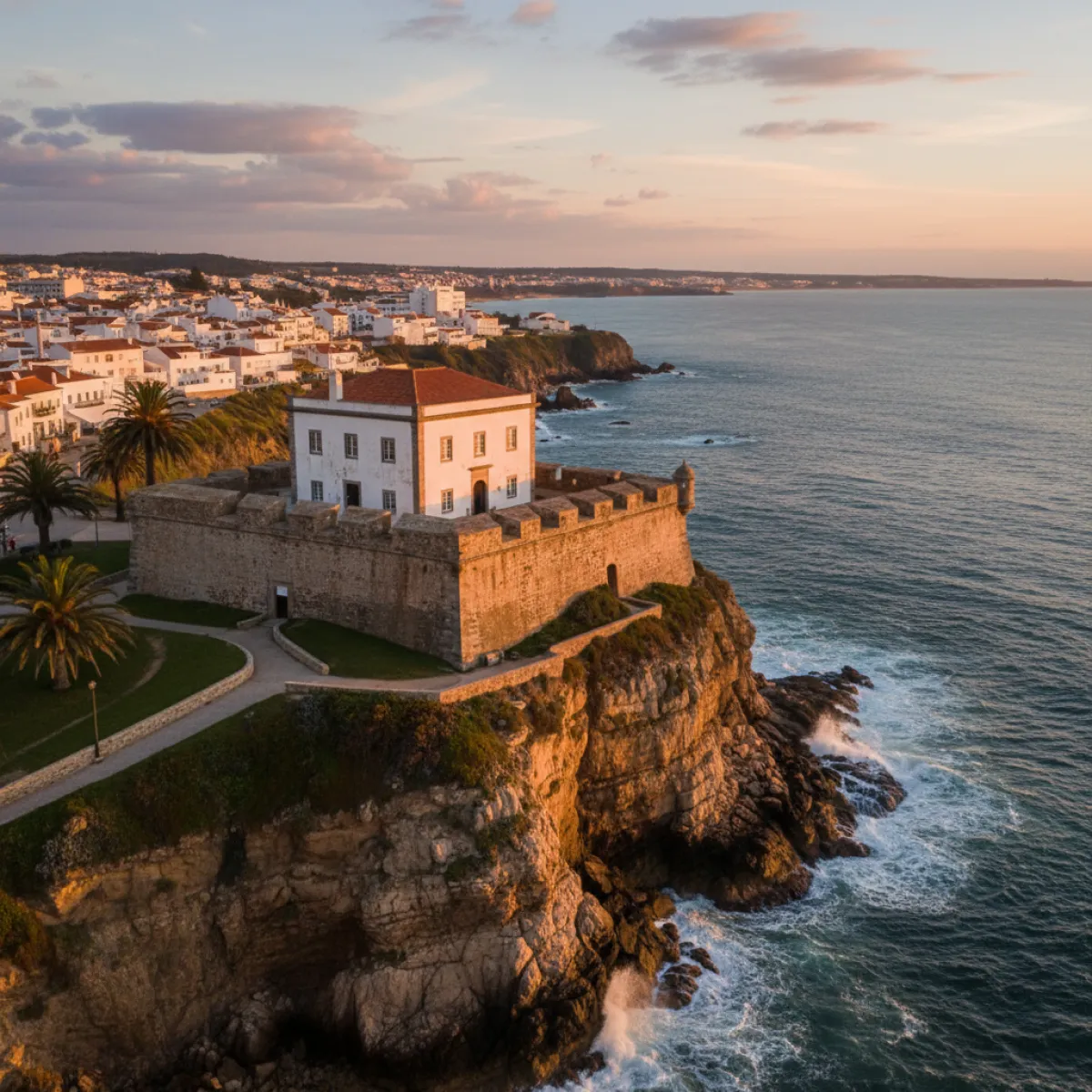
In 1706, with King Pedro II on the Portuguese throne, Ericeira was not a surf destination or a long-weekend escape from Lisbon. It was a working fishing port, one of the most active on the Estremadura coast, and the people who lived here had practical reasons to be anxious about what arrived uninvited from the Atlantic. The Forte de Nossa Senhora da Natividade was built on Rua de Baixo, directly above the Praia dos Pescadores, as a concrete response to that anxiety. This was military infrastructure with a specific brief, not ornament.
The fort's layout is irregular, roughly U-shaped, which sounds like an architectural compromise but was a considered response to the site's topography. The barracks have barrel-vaulted ceilings: the structural choice of 18th-century military engineers who understood that curved stone absorbs cannon fire better than flat timber framing. There is also a powder magazine, kept at a deliberate distance from the living quarters, because whoever designed this building understood what happened when gunpowder and carelessness occupied the same room.
The fort was restored and reopened to the public in 1976. It is not a museum with laminated information panels and a gift shop selling ceramic roosters. It is a fort, still standing on Rua de Baixo where it was built, doing nothing now except existing. At 320 years old, that is more than enough.
The fort sits in Ericeira's historic fishing quarter, a short walk downhill from the Ericeira Pelourinho toward the sea. Three minutes on foot, maybe four if you stop to look at something. From Lisbon, it is about 50 kilometres on the A21, a little over 30 minutes in normal traffic. If you drive, park at one of the lots above the village, especially between June and September. Rua de Baixo in summer is a narrow street with a complicated mix of pedestrians, delivery vans, and cyclists, and it is not somewhere you want to be looking for a parking space.
Opening hours are not consistently published, which is a fair warning: do not build an entire day around the fort without confirming directly with the Mafra municipal council or calling ahead. The price is listed as €, suggesting a modest entry fee or possibly free access. Check before you go. No reservations are needed, there is no dress code, but wear shoes with grip. The historic quarter's stone surfaces are uneven in the way of places that were not built with smooth-soled footwear in mind.
Old Ericeira is compact and walkable. The Igreja de São Pedro is two minutes away, its blue-and-white facade considerably more striking in person than in any photograph. For lunch after a morning in the historic quarter, Mar das Latas Wine & Food takes fish seriously and has a well-chosen list of natural wines. It is not the kind of place that serves everything with the same garlic butter. If you want the broader picture on what Ericeira looks like when you step past the surf schools and board rentals, our guide to Ericeira's old town organises the visit well.
The interesting thing about the Forte de Nossa Senhora da Natividade is what it says about how Ericeira has changed. It was built to keep the outside world at a distance, to create a defensive line between this fishing community and whatever came uninvited across the Atlantic. Today, Ericeira is one of the most internationally connected small towns in Portugal, drawing surfers from California, remote workers from northern Europe, and a steady stream of Lisbon weekenders who discovered the place and kept coming back. The fort stayed. The threat it was built against did not.
The fishing boats that once made this harbour strategically significant still leave from the Praia dos Pescadores at dawn, but there are fewer of them than there were fifty years ago, and the beach below the fort is now mostly photographed rather than worked. None of this is cause for lament. It is just the record of change, and the fort's barrel-vaulted barracks and intact powder magazine are the physical evidence of where Ericeira started before everything else followed.
Come early in the morning, before ten, when Rua de Baixo is still quiet and the Atlantic light hits the stone walls with that specific coastal clarity that disappears once the day gets going. Walk the fort's perimeter, stand where the garrison stood watch in 1706, look down at the Praia dos Pescadores. Then go down to the beach and look back up at the walls. That reversal of perspective, from inside the fort looking out, then from the shore looking back at the defences, is the most useful thing this place offers. No audio guide required.