Visit
€
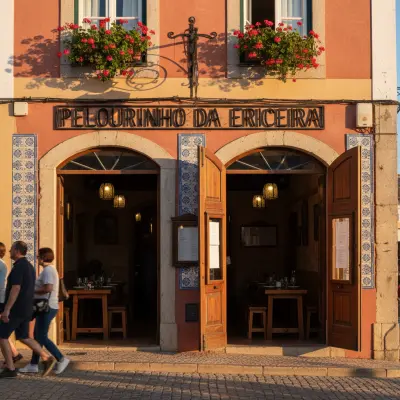
Pelourinho da Ericeira
Ericeira
Documented since 1446 and raised to principal parish temple in 1530, the Igreja de São Pedro is the gravitational centre of old Ericeira. The restored Baroque interior holds 18th-century blue-and-yellow azulejo panels that reward standing still rather than a quick photograph. Go in, take your time, and start to understand why this village holds together.
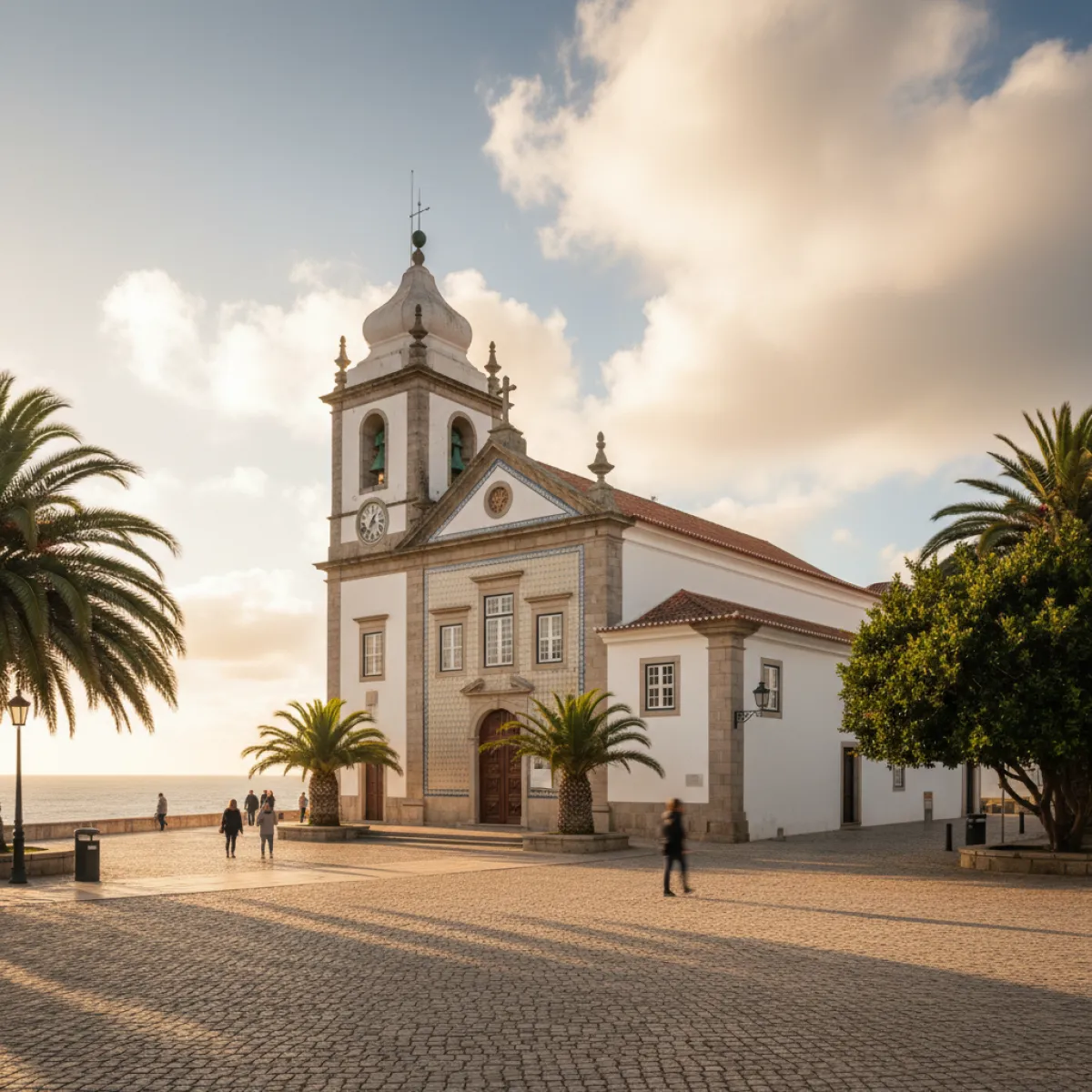
Largo de São Pedro sits at the centre of old Ericeira in the way that actually matters: not with grandeur, but with gravity. You find it by walking, by following the whitewashed lanes until they open up and there it is, the Igreja de São Pedro, a simple facade, dark wooden doors, a bell tower that has been standing here since 1446. It is not the most dramatic building in Portugal. It is something more useful: it is the point around which everything else in this village makes sense.
The parish records go back to 1446, which means the fishing families of Ericeira were baptising children and burying their dead here long before the surfing world ever heard of the place. In 1530, the church was elevated to principal temple of the parish, and that status has held ever since. If you want to understand why Ericeira has managed to hold onto its identity through decades of tourist pressure, this is where the explanation starts.
The interior was restored in the Baroque style and what they did with it is worth attention. The 18th-century azulejo tilework comes in blue and yellow, large narrative panels that cover significant stretches of wall. They are the kind of tiles that reward standing still rather than photographing quickly and moving on. The coffered ceiling is painted with restraint, no excessive gilding, and the main chapel retable is in gilded woodwork, precise and composed. The overall effect is richness without excess, which is harder to achieve than it sounds.
The address is Largo de São Pedro, 2655-363, Ericeira. The parish phone is +351 969 859 982, and the official website is paroquiadaericeira.pt. Opening hours depend on the liturgical schedule, so check directly before planning a visit around a specific time.
From anywhere in the old village, you are five minutes away on foot. If you arrive by car, use one of the car parks on the periphery of town, especially in summer. Do not try to park near the square. Walking is how this village is meant to be done.
After the church, the natural next move is to cross the square and head toward the seafront. A short walk brings you to the Pelourinho da Ericeira, a stone pillory with its own centuries of local history, worth a brief stop. For lunch, Mar das Latas Wine & Food is a reliable choice: honest cooking and a wine list that punches above the weight you would expect from a village this size.
If you happen to be visiting at Easter, the Semana Santa processions pass directly through this square, and the connection between the church and the fishing community becomes more visible than at any other point in the year. Our guide on Ericeira at Easter: roasted lamb, folar, and Atlantic spritz is worth reading before you book, because restaurants fill fast and some things only happen once a year.
For a broader portrait of the village beyond its surf reputation, our guide on Ericeira's old town beyond the World Surfing Reserve gives context on what keeps the place coherent despite the pressure it is under.
The Igreja de São Pedro does not ask much of you. It has been here since 1446 and will be here long after the current wave of visitors has moved on. The question is whether you have ten minutes of genuine attention to give to a set of 18th-century azulejo panels in a quiet square in a fishing village on the Atlantic coast. Most people do not stop. The ones who do leave understanding something about Ericeira that the surf photos do not capture.