Ribeira Grande in 24 Hours: Surf, Tea and Hot Springs
Dawn waves on the black sand of Santa Bárbara, tea picked on slopes facing the Atlantic, and two hot-water soaks in one day. Ribeira Grande does nothing in a hurry, and that is exactly why it is worth it.
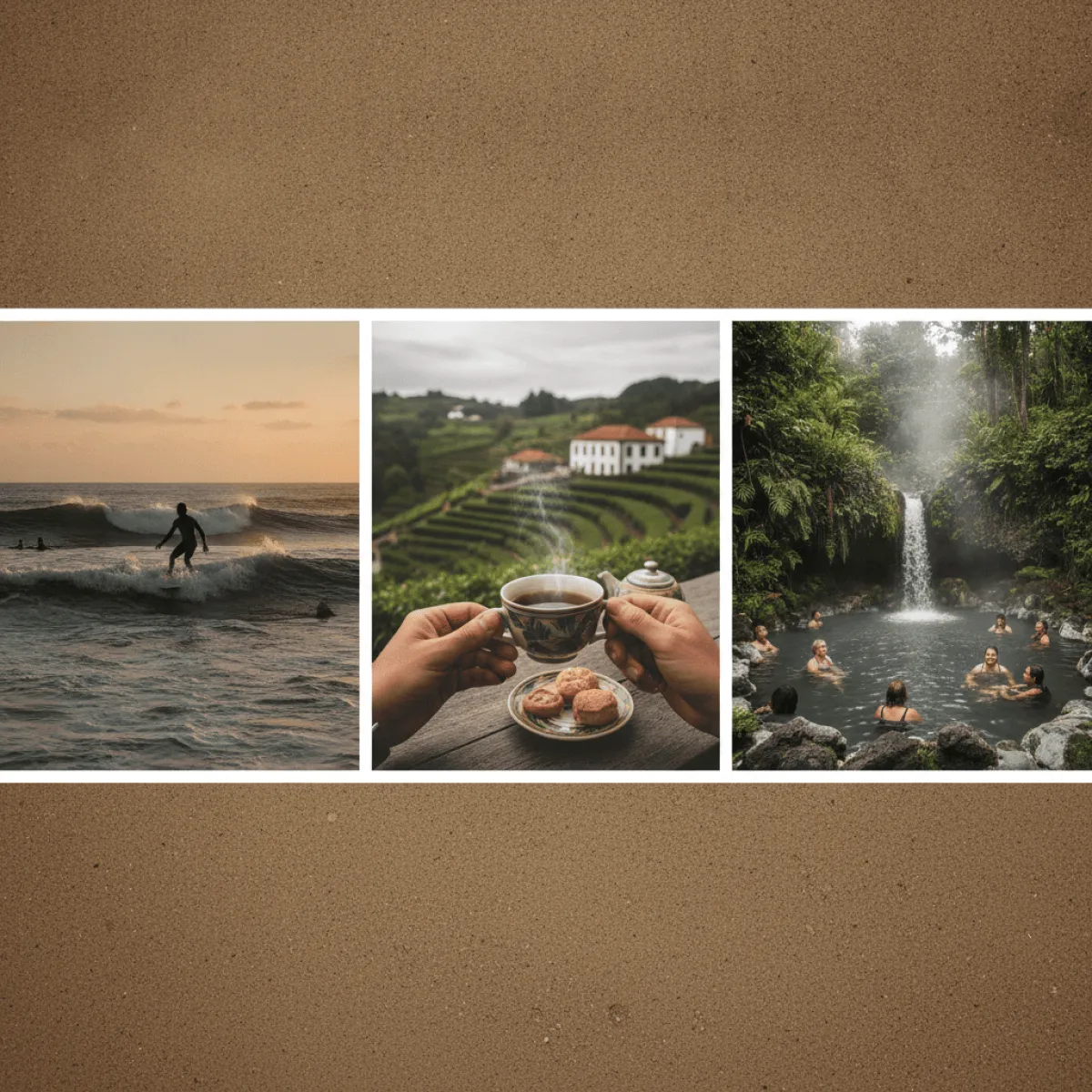
Ribeira Grande does nothing in a hurry. It is São Miguel's second-largest town, yet it behaves like a country village: the butcher shuts for lunch, the woman at the bakery knows your name by the third coffee, and the heaviest traffic of the day is a milk van grinding up Rua Direita. Cruise-ship crowds tend to treat Ribeira Grande as a photo stop, one snap of the stone bridge before pushing on to the viewpoints. That's a mistake. The north of São Miguel holds the best combination the island has to offer in a single day: waves on black sand, tea grown on slopes facing the Atlantic, and water that comes out of the ground hot. Here is how to spend those 24 hours at the pace of someone who actually lives here.
6:30am: the sea before everyone else
Start in the dark. Santa Bárbara beach, about fifteen minutes west of the centre, is the surf school for the whole island, and the early tide is the best one: light wind, clean lines, black sand throwing the white foam into sharp relief. If you have never stood on a board, this is the place to do it, with an instructor, on the dawn surf session on the black sands of Santa Bárbara. The volcanic sand heats up fast once the sun is over the ridge, but the Atlantic fools no one: bring a wetsuit. Even if you never get wet, the detour earns its keep just to watch the tide from the beach café terrace with a steaming galão in your hands.
Prefer dry land? There is an alternative right there: the north coast is stitched with tide pools, and the strand runs almost empty at this hour. It is the kind of start that justifies setting an alarm on holiday.
8:30am: breakfast and the old town
Back in town, park near the centre, which you can cross end to end on foot in twenty minutes. The heart of Ribeira Grande is the river that gives it its name, spanned by the Ponte dos Oito Arcos, an eight-arched bridge in dark stone, with manor houses leaning over the water. Climb the baroque staircase up to the Church of Nossa Senhora da Estrela: the basalt façade trimmed in white masonry is the town's signature and the best spot to read the lay of the land.
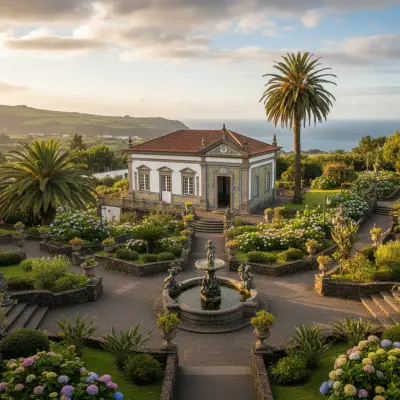
To rest your legs and your head, cross over to the Jardim Municipal de Ribeira Grande. It is a nineteenth-century public garden with a pond, a bandstand and big trees that throw proper shade, the sort of place where pensioners play cards and children chase the ducks. Take a bench, let the coffee settle, and listen to the town wake up. It costs nothing and it is half an hour well spent.
10:00am: Europe's tea frontier
Now the part that puts Ribeira Grande on the map for people in the know. To the east, on the slopes of Gorreana and Porto Formoso, grows the only tea produced commercially in Europe. The Gorreana estate has been running since 1883 and still uses century-old English machinery that smells of oil and dried leaf. Entry is free, you tour the factory at your own pace, and you taste green and black tea for nothing at the end, with no one pushing a purchase on you. To really understand what you are drinking, take the deep dive into the Gorreana and Porto Formoso estates, which links both houses and explains the difference between leaf picked in the morning and leaf cured in the afternoon.
Practical tip: try the Hysson, the looser-leaf green, and take a packet of Orange Pekoe home. It is cheap, it lasts months, and it is the best souvenir you can buy, miles ahead of a fridge magnet. The tea slopes with the ocean behind them are, on their own, one of the finest views on the island.
1:00pm: lunch without pretension
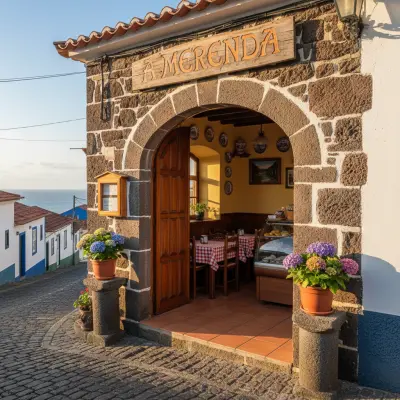
By now you are hungry, and Ribeira Grande is not fine-dining country. Good. Head straight for A Merenda, an honest Azorean kitchen of the kind that serves what they have and what is good that day. Order fresh fish if it is on, or a properly made stewed meat, and do not leave without trying Azorean cheese and a slice of bolo lêvedo, the soft, sweet muffin-bread locals eat at any hour. The Azores run on strong dishes and generous plates; come hungry.
If you want to understand how far the island's volcanic cooking can go, before or after this trip, it is worth reading our gastronomic trek through Ponta Delgada, half an hour south, where the cozido cooked in the Furnas earth and the slow-grown pineapple take on a different dimension.
3:00pm: falling into Caldeira Velha
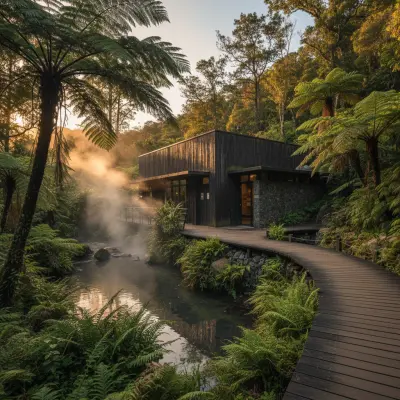
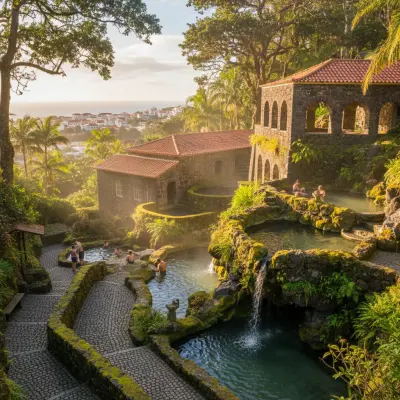
After lunch, head up the mountain. The climb toward Pico da Barrosa is a road of bends with the landscape shifting from green pasture to dense forest of ferns and cedars. Halfway up sits Ribeira Grande's natural star: the Caldeira Velha environmental centre. It is a thermal waterfall spilling into pools in the middle of the forest, steam rising off the rock and tree ferns the size of umbrellas. The pools vary: there is the hot one, iron-rich and rust-coloured, and the larger, cooler basin fed by the falling water.
Warnings from someone who has been burned by both sun and timing: the site has paid entry and limited capacity because of tourist pressure, so check locally for hours and, in high season, book ahead. Bring a towel, footwear you can soak, and a swimsuit underneath, because the changing rooms are basic. Go in the late afternoon, once the coaches have gone and all that is left is the sound of the falls and the ferns dripping. It is the most cinematic bath on the island.
5:30pm: the town's historic springs
Come back down to Ribeira Grande for the day's second dose of hot water, this one with history. The Termas das Caldeiras da Ribeira Grande are a small thermal complex fed by iron-rich springs that bubble up steaming right beside the road. It is here, by the Caldeiras, that the famous sparkling Lombadas water rises, bottled on São Miguel for more than a century. Peer at the springs simmering, catch the sulphur on the air, and if you want a more serious therapeutic soak than Caldeira Velha, this is the place. Check locally for opening hours and available treatments before you go up.
8:00pm: dinner and a night that isn't really night
Ribeira Grande has no nightlife in the sense a city has it, and that is exactly the charm. Eat slowly, go back for more island cheese, order a bottle of Azorean Verdelho, that volcanic white with a sharp mineral edge that pairs with anything from the sea. Finish with a queijada from nearby Vila Franca or another convent sweet and a small glass of passion-fruit liqueur.
If the evening still wants movement, Ponta Delgada is twenty-five minutes away with terraces open later. But the best thing about Ribeira Grande is staying put: at this hour the town comes down to the sound of the river running under the eight-arched bridge and the yellow lamps reflected in the wet stone.
Logistics, no drama
- Getting there: Ribeira Grande is about 25 minutes by car north of Ponta Delgada, where the airport and most hotels are. A car is all but mandatory for this itinerary; buses exist, but their timetables won't serve a day this full.
- When to go: May to October for milder sea and long days. The Santa Bárbara surf works year-round, but winter brings big swell for experienced surfers only. Caldeira Velha is best outside peak months to dodge the crowds.
- What it costs: Gorreana is free; Caldeira Velha and the springs charge a token ticket (check locally); a hearty lunch in a traditional kitchen costs less than you would pay on the mainland for the same volume.
- What to bring: swimsuit or wetsuit from the morning, towel, footwear you can soak, a waterproof jacket (the Azores change weather four times a day) and an appetite.
If you have more days on the islands
Ribeira Grande works well as a base or as a day trip from Ponta Delgada, but the archipelago does not end here. If you plan to island-hop, our 24 hours in Horta guide shows another face of the Azores, more cosmopolitan and seafaring, and to close the day up high, see where to find the finest rooftops and panoramic views in Horta. They are different islands of the same sea, and Ribeira Grande is the right place to start understanding why.