Mirandela: The Alheira Capital and Its Secret Kitchens
Forget the supermarket sausages. In Mirandela, gastronomy is a ritual of fire, olive oil, and bread that demands both time and an appetite. Discover where to find the authentic Transmontano table, from the Old Bridge to the schist olive groves.
Returning to the Princess of the Tua
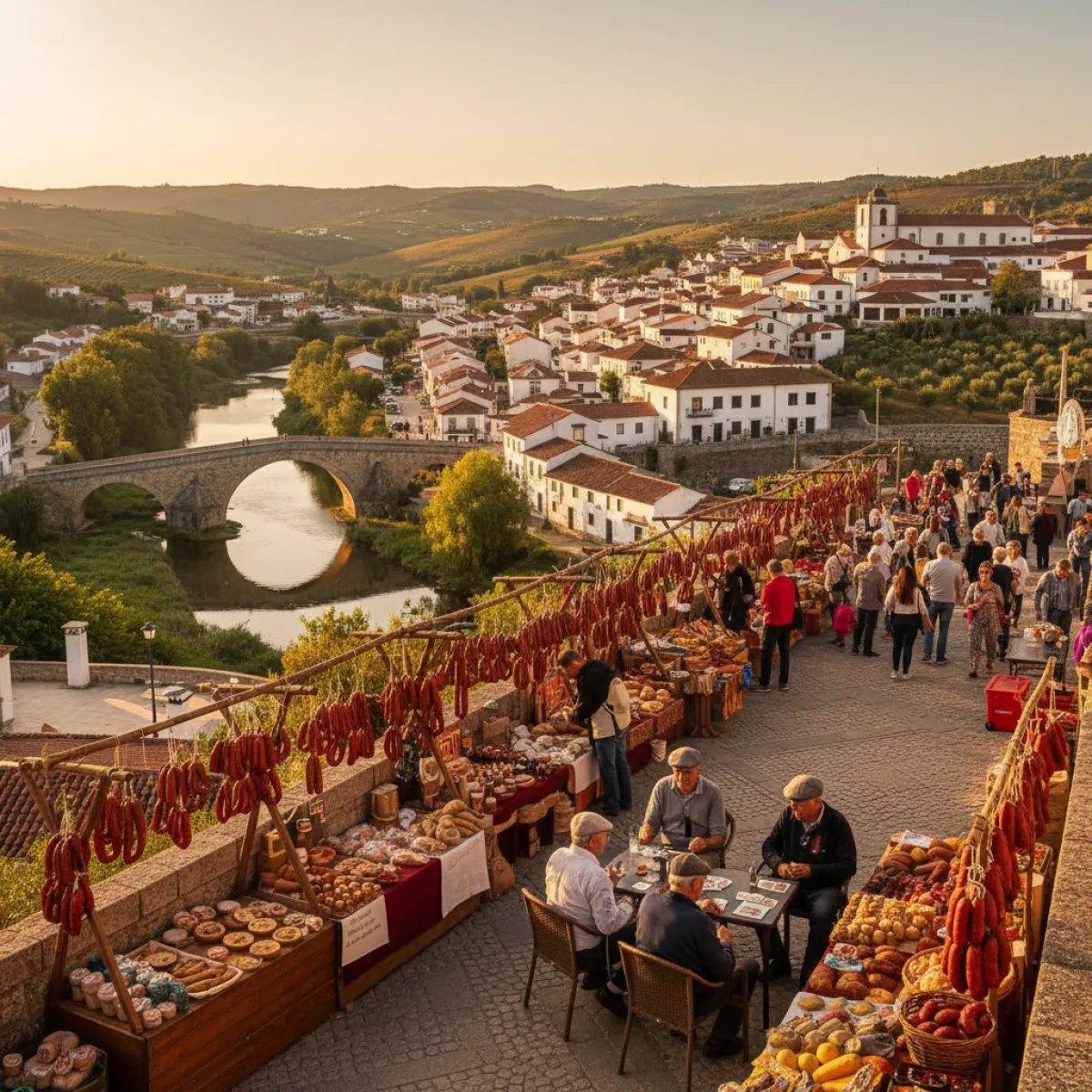
Arriving in Mirandela via the A4 highway is an exercise in patience rewarded by the sense of smell. As soon as the car windows roll down, the air shifts. It’s no longer the neutral oxygen of the coast; it becomes a dense blend of burnt oak, virgin olive oil, and that metallic tang the Tua river lends to the city. Many make the mistake of treating this city as a glorified service station on the way to Bragança or Spain. They stop, buy a box of alheiras from a random kiosk, and move on. That’s a rookie mistake. Mirandela isn't meant to be tasted in a hurry; it requires you to park near the Old Bridge, ignore the obvious tourist terraces, and look for where the locals, those with calloused hands and direct stares, are having lunch.
The city, known as the "Princess of the Tua," possesses an elegance that contrasts with the rugged mountains surrounding it. But don't be fooled: the kitchen here is anything but delicate. It’s a gastronomy of survival that has evolved into regional haute cuisine through the sheer quality of its ingredients. If you want to understand what truly drives this land, I recommend reading Beyond the Alheira: Mirandela’s Culinary Resilience, where we dive into the resilience of a people who turned bread and garlic into a national institution.
The Alheira: History’s Most Delicious Deception
We can’t talk about Mirandela without addressing the elephant in the room. The alheira is the national dish, but here, it’s a dogma. The story is famous, but worth repeating for the uninitiated: it was invented by New Christians (Jews forced to convert) to deceive the Inquisition. Since they couldn't eat pork, they created a sausage made of bread, poultry, and game, which looked like a standard pork sausage hanging in the smokehouse. The deception saved lives, and centuries later, it saves us from mediocre meals.
But take note: not all Mirandela alheiras are created equal. Forget the ones you find in Lisbon supermarkets. The true Alheira de Mirandela PGI (Protected Geographical Indication) must be fried in local olive oil or, even better, slowly grilled over embers. The skin should be crispy, almost bursting, and the interior should be creamy yet with identifiable pieces of shredded meat and crusty wheat bread. At O Grulha, an unavoidable classic on Rua da República, the alheira is treated with the respect it deserves. Don’t ask for it with fries and a fried egg if you want to be taken seriously; order it with boiled turnip greens (grelos) and a generous drizzle of local olive oil. It’s that contrast, the bitterness of the greens against the unctuous fat of the sausage, that defines the Transmontano palate.
Where to Eat for Real
- O Grulha: Where local aristocracy and informed travelers meet. The Posta steak is magnificent, but always start with the grilled alheira. Expect to pay around €25 to €30 per person with house wine.
- Toca do Javali: If you like game meat, this is your place. The wild boar stew with chestnuts makes you forget any diet. A rustic atmosphere, no frills, focused entirely on the plate.
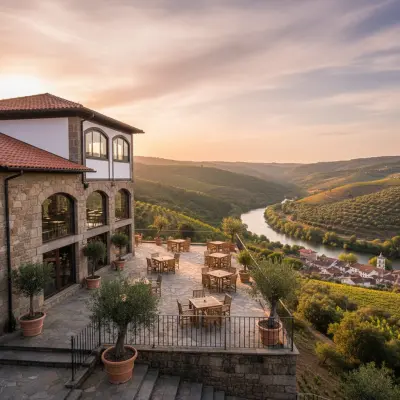
- Flor de Sal: For a more modern approach and a privileged view over the river. This is where tradition puts on a tuxedo. More expensive, but the wine list justifies the visit.
Olive Oil: The Liquid Gold of Trás-os-Montes
If the alheira is the queen, olive oil is the absolute king. Mirandela sits at the heart of the Trás-os-Montes Protected Designation of Origin (PDO). Here, olive trees of the Cobrançosa, Verdeal, and Madural varieties grow in schist soils under a sun that shows no mercy in summer and a cold that bites in winter. The result is an olive oil with an aggressive personality: spicy, bitter, and with notes of fresh grass.
Don't buy unbranded oil in plastic jugs by the roadside. Go to the producers. Quinta do Romeu, just a few kilometers from the city, produces some of the best organic olive oils in the world. It’s an oil that isn't just for cooking; it's meant to be the protagonist. A piece of warm rye bread dipped in a plate of this oil is, to me, a meal superior to many tasting menus in cosmopolitan cities. If you visit in February during the Alheira Fair, you’ll see how olive oil is the thread connecting everything from sausages to Christmas sweets.
Beyond the Plate: Digestion with a View
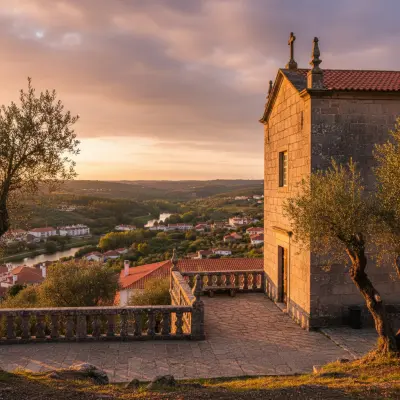
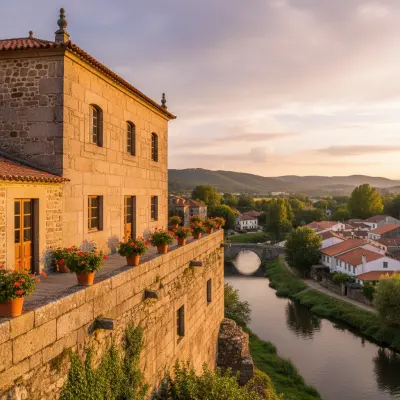
After a meal that would weigh on the stomach of a titan, climbing to the city's viewpoints isn't optional, it's medicinal. The Tua snakes below, and Mirandela’s urban fabric reveals its different eras. For a historical perspective, the Miradouro do Paço dos Távoras is the ideal starting point. From there, you can see the Old Bridge and understand why this location was strategic for centuries. It’s the spot for the mandatory photo, but also to observe the slow rhythm of the city.
If you want to venture further from the center and see Mirandela integrated into the raw Transmontano landscape, head up to the Miradouro da Igreja de São Bento. The view reaches the endless olive groves and the mountains hiding villages where time seems to have stopped in 1950. And for those who aren't afraid of driving secondary roads, the Miradouro de Franco offers a peace that the city center, with its sometimes chaotic traffic, cannot provide.
The Posta and the Lamb: The Other Stars
While neighboring Bragança claims exclusivity over the Posta Mirandesa, Mirandela serves veal of equivalent quality. The secret lies in the cut, thick, so the inside stays pink and juicy, and coarse salt. No complicated sauces. Just the meat, the fire, and perhaps a drizzle of olive oil and garlic for those who can't resist. The Anho (lamb) roasted in a wood-fired oven is another star, especially on Sundays. The meat is tender, falling off the bone at the touch of a fork, served with oven rice that has absorbed all the roasting juices.
If you're passing through and want something lighter (if such a thing exists here), look for "Cristas de Galo," a conventual sweet made with eggs and almonds that is a local specialty. But don't be fooled: in Mirandela, lightness is a relative concept. Here, food is an assertion of identity.
The Road North: Chaves and Montesinho
Mirandela is the geographical center of a northeast that has much to give. If, after all that fat and protein, you feel the need to purify your system, head north. About 45 minutes away, you’ll find the thermal comfort of Chaves. I recommend exploring The Roman Legions' Legacy: Exploring the Ancient Thermal Springs of Chaves to see how the Romans already knew what they were doing when they decided to bathe in those 73-degree waters.
Or, if you prefer absolute isolation and the rawness of the mountains, continue to the border. The Montesinho Natural Park is the perfect antidote to modern life. In winter, the smoke rising from the chimneys of the stone houses is the only sign of life. To understand that mystique, read The Silence of Montesinho: A Winter Retreat in the Last Frontier of Portugal. It’s the ideal complement to this trip: after the banquet in Mirandela, the seclusion of Montesinho.
Practical Tips for the Traveler
- When to go: Autumn and winter are the golden seasons. That’s when the sausages are ready, chestnuts accompany the dishes, and the cold justifies the heavy meals. In summer, Mirandela can be an oven.
- How to get there: The A4 is the fast route, but if you have time, the National Road 15 (EN15) offers curves and views that the highway hides. By bus (Rede Expressos), the journey from Porto takes about 2.5 hours.
- What to bring back: Olive oil, always. Alheiras from a certified producer (look for the PGI seal). And rosemary honey, which has an intense, dark flavor here.
Mirandela is not a city for those who like half-measures. You either enter the Transmontano spirit, accepting that your cholesterol will rise and that red wine is the only acceptable drink, or you're better off staying on the coast. But I guarantee: once you taste a real alheira, one that has history in every piece of bread, the others will seem like plastic. And that’s the danger of Trás-os-Montes: once you taste the real thing, the rest becomes irrelevant.