The Widescreen Countryside: Why Miradouro de Franco Beats the City Views
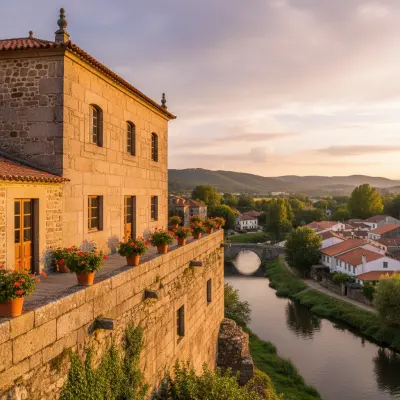
Forget the manicured riverfront of Mirandela for an hour. While the Tua river and its historic bridges are undeniably handsome, they represent the city’s Sunday best, a curated version of Trás-os-Montes. To see the region’s raw, working heart, you need to head for the hills. Specifically, you need to drive up the Estrada de Franco (5370-120 Mirandela) into the Serra de Santa Comba. At 546 meters above sea level, the Miradouro de Franco offers a perspective that makes the urban viewpoints feel like looking through a keyhole.
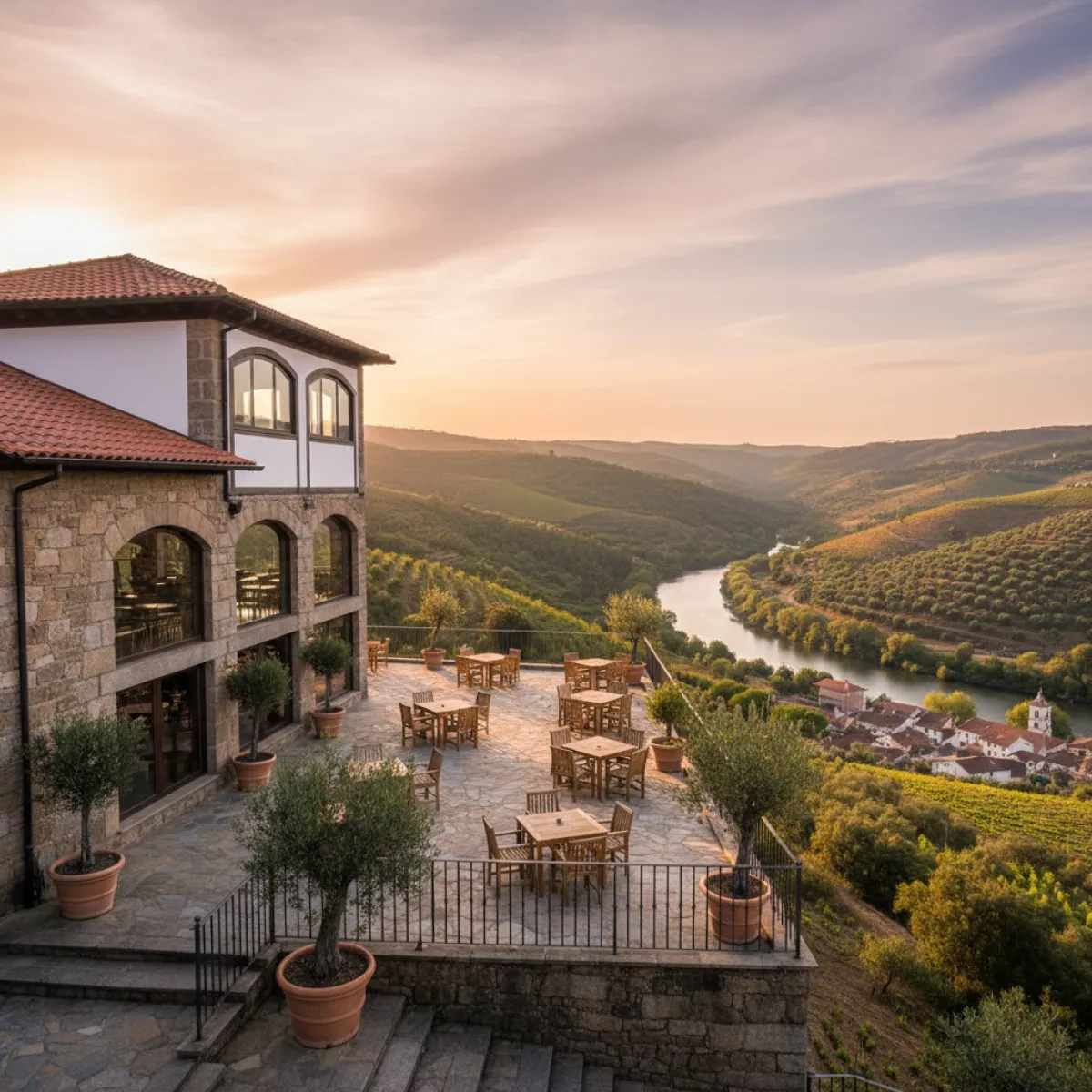
Most travelers tick off the Miradouro da Igreja de São Bento or the Miradouro do Paço dos Távoras. Those are fine for a quick orientation, but they are domestic. Franco is cinematic. It is a 'widescreen' vista of the Trás-os-Montes countryside, where the horizon isn't blocked by apartment blocks or construction cranes, but defined by the rhythmic spacing of thousands of olive trees.
Agriculture as Landscape Art
From this height, the landscape reveals itself as a massive, functional map. The extensive olive groves aren't there for decoration; they are the result of centuries of schist-breaking labor. The silver-green canopy of the trees stretches across the valleys, creating a visual texture that changes with the wind and the angle of the sun. It’s a harsh beauty, typical of the 'Terra Quente' (Hot Land), where the summer sun beats down with a ferocity that turns the soil into a pale, dusty canvas.
The 4.7-star rating this spot holds isn't down to fancy facilities, there are none. It’s about the silence and the scale. Standing here, you realize that Mirandela isn't just a town known for a specific sausage; it’s the hub of a vast agricultural machine. The wind turbines on the distant ridges provide the only modern counterpoint to a scene that feels like it has looked this way since the first olive press was carved into stone. It’s my preferred spot for a mental reset, far from the chatter of the city’s terrace cafes.
Beyond the Plate
You cannot look at these groves without thinking of the oil and the food they sustain. This viewpoint provides the context for everything you will eat in the city below. Before you head back down to dive into the culinary scene we’ve mapped out in Beyond the Alheira: Mirandela’s Culinary Resilience, take ten minutes to just look. Understanding the terrain, the dry heat, the rocky soil, the verticality, makes that first bite of regional produce taste significantly more meaningful.
Is it worth the drive? If you are the type of traveler who values a sense of place over a gift shop, then absolutely. The urban viewpoints give you the 'what' of Mirandela; Franco gives you the 'why'. It shows you the scale of the territory and the isolation that has preserved the region’s distinct character for so long.
Practical Tips
Getting to Miradouro de Franco is straightforward if you have a car. Follow the Estrada de Franco out of Mirandela; the road is winding but paved and safe. Don't expect a snack bar at the top, this is a spot for purists. Bring your own water and perhaps a jacket, as the wind at 546 meters can be surprisingly sharp even on a warm day. The price (€) is effectively zero, making it the best value in the district.
- Hours: Open 24/7. Sunset is the obvious choice for photographers, but the mid-morning light is better for seeing the details of the groves.
- Facilities: None. It’s just you, the rocks, and the view.
- Contact: Mirandela Tourism Office (+351 278 969 305) or visitmirandela.com.
- Pro Tip: Check the weather. If there’s low cloud or fog, skip it. You want the full widescreen experience, and for that, you need a clear sky.
Skip the crowds at the bridge and give your car a bit of a workout. The view from Franco is the antidote to the generic travel experience, offering a stark, beautiful reminder of what Trás-os-Montes is actually made of.