Miradouro da Igreja de São Bento: Mirandela From Above
For most travelers, Mirandela is a functional stop. A quick exit off the A4 highway to secure a plate of the famous alheira sausage before pushing on toward Bragança or Spain. But to see only the plate is to miss the point of the place. To understand the logic of this Transmontano town, you have to leave the riverbanks and head up to the Alto de São Bento. This is where the Miradouro da Igreja de São Bento sits, offering a vantage point that finally puts the city into perspective.
The climb up Rua de São Bento takes you through a neighborhood that feels significantly more authentic than the modern apartment blocks lining the lower avenues. You can drive up, there’s a bit of parking near the church, but walking gives you a better sense of the transition. Mirandela is a place of extremes: a furnace in the summer and a damp, bone-chilling fridge in the winter. Up here, however, there is almost always a breeze cutting across the churchyard, clearing the air and the view.
Granite Realism and the Tua Valley
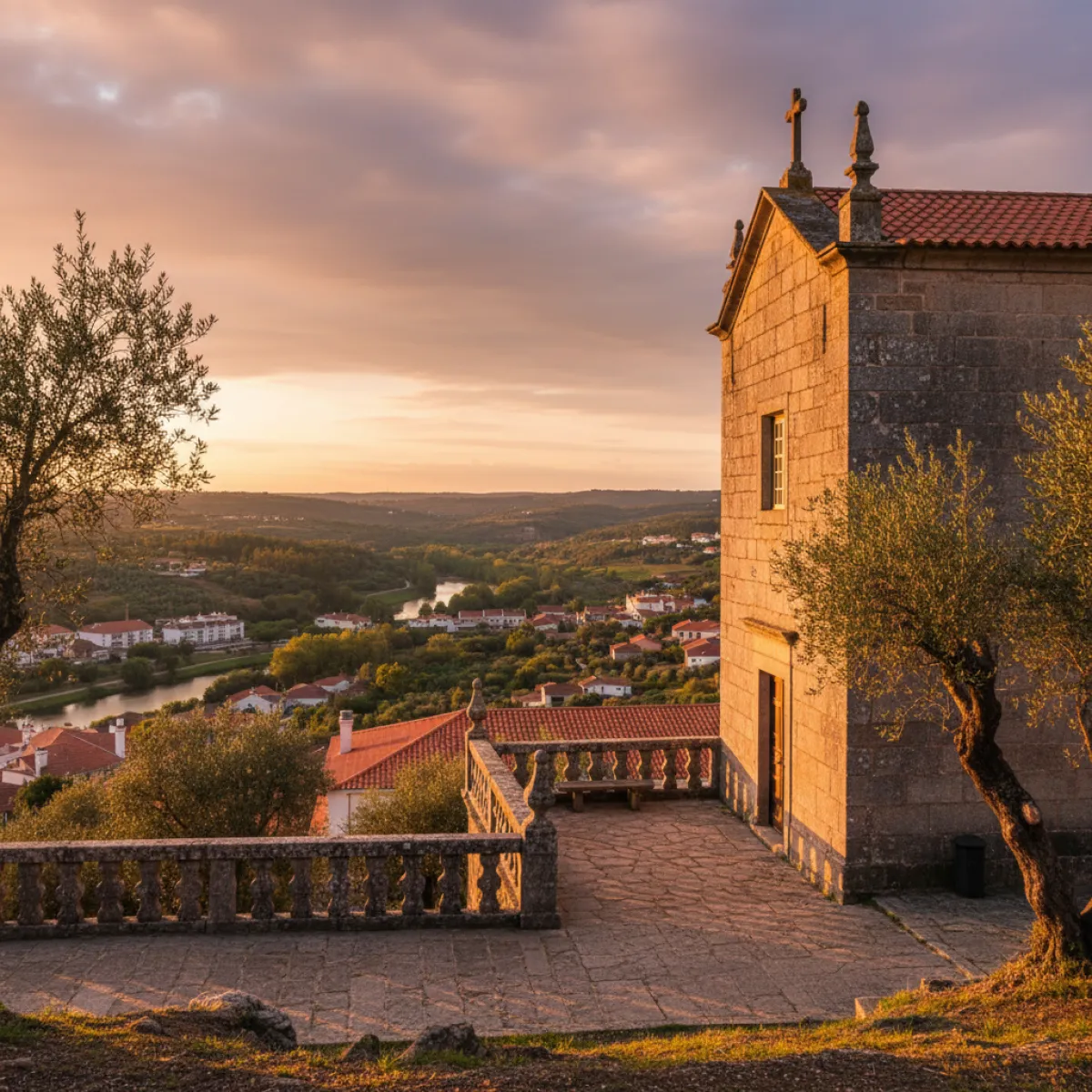
The Church of Saint Benedict, located at São Bento, 363 (5370-363 Mirandela), isn't interested in flashy displays of wealth. This is Trás-os-Montes, where the architecture is as rugged as the landscape. The church is a solid, granite-heavy structure that looks like it was carved directly out of the hillside. The facade is a masterclass in Baroque restraint, featuring a portal that dates back to the 18th century. But the real draw isn't the interior; it’s the expansive view from the churchyard.
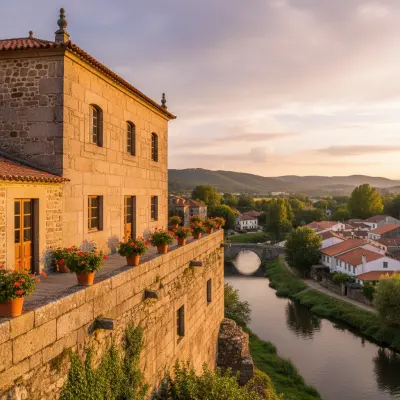
From this height, the Tua River valley opens up in a way that’s impossible to appreciate from street level. You can trace the river's lazy curve as it snakes through the heart of the city, dominated by the twenty arches of the Ponte Velha (Old Bridge). This bridge has stood for centuries, surviving floods and the modernization of the town around it. From the lookout, the contrast between the old, tightly packed houses and the newer urban sprawl is stark. It’s the perfect spot to see why Mirandela is often called the "Garden City," with the lush green banks of the river providing a sharp visual break from the red-roofed buildings.
A Vantage Point Between History and the Grill
With a 4.6-star rating, the viewpoint is highly regarded by locals and those few visitors who bother to find it. It costs nothing (€) to visit, making it the best value in town. If you want to check for any specific events or religious services that might limit access, you can call +351 934 063 571. For more official information on the town's heritage, the municipal website (www.cm-mirandela.pt) is the place to look, though it lacks the atmospheric weight of actually standing on the granite stones of the Alto.
Once you’ve had your fill of the horizon, the descent back to the center is inevitable. Hunger in this part of Portugal is not a suggestion; it’s a demand. To understand the weight of tradition here, our guide Beyond the Alheira: Mirandela’s Culinary Resilience dives into the smoked meats that put this place on the map. Looking down from the viewpoint, you can see the vegetable gardens and the silver-green olive groves that produce the ingredients for these legendary meals. The view provides the context; the table provides the conclusion.
Practical Tips for the Local Expert
If you’re visiting in the summer, avoid the midday sun. The granite walls of the church absorb heat and radiate it back at you like a bread oven. Sunset is the correct time to be here. There’s no formal dress code, but as it is a religious site, keeping things quiet and respectful is expected. There are no kiosks or cafes directly at the viewpoint, so bring a bottle of water if you’re making the trek on foot. It’s a space for pure observation, free from the commercial noise that dominates the riverfront parks.
Mirandela is a town of layers, even if the locals wouldn't use such a poetic word. It’s a city of water, stone, and fire. The Miradouro da Igreja de São Bento gives you the stone and the water in one panoramic sweep. Go there to see the layout of the land, stay for the silence, and leave only when the smell of woodsmoke from the nearby kitchens starts to pull you back down into the valley. It’s the essential prologue to any serious visit to Mirandela.
- Address: São Bento, 363, 5370-363 Mirandela
- Price: € (Free)
- Phone: +351 934 063 571
- Pro Tip: Look for the 20 arches of the Old Bridge, it’s the best photo op in the district.