Mafra as a Base: Day Trips Worth the Detour
Mafra sits within 40 minutes of Sintra, Ericeira, Lisbon, and the wild Oeste coast. With the Tapada Nacional on its doorstep and surf beaches in the municipality, it works better as a base than an afternoon stop.
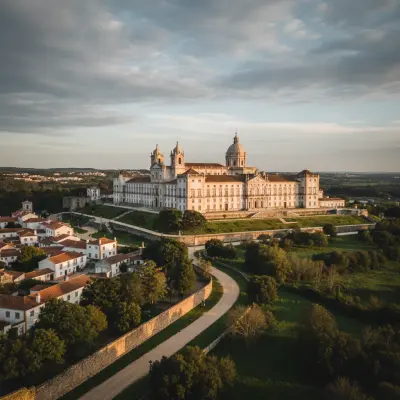
Mafra has a problem most tourists never notice: it's too good as a starting point. People come to see the Palácio Nacional de Mafra and its jaw-dropping library (38,000 volumes, bats included for insect control), snap a few photos, and drive back to Lisbon. They miss everything that sits within a 50-minute radius. And what sits within that radius is, honestly, the best of the Lisbon region that nobody bothers to mention.
I'll say it plainly: Mafra works better as a base than as an afternoon stop. Within 40 minutes you can reach Sintra, Ericeira, the wild coast to Peniche, and the deep interior of the Oeste region. But before you leave, spend at least one morning on what's right here.
Start by doing Mafra properly
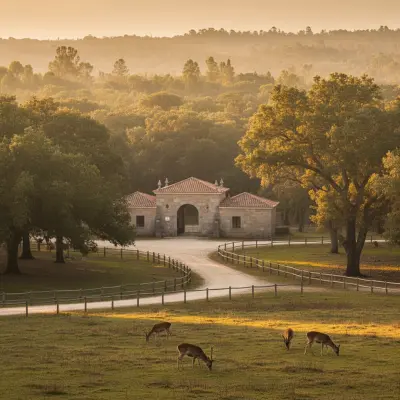
Most people jump straight to the palace and skip everything else. The Tapada Nacional de Mafra is an 800-hectare walled park that used to be a royal hunting reserve. Today you can explore it on foot, by bike, or even by horse-drawn carriage. Deer, wild boar, and birds of prey show up regularly, especially if you get in before 10am. The Tapada deserves half a day, not a rushed hour between selfies.
For a shorter stop, Jardim do Cerco sits right beside the palace and is the kind of garden where locals come to read the paper on Sundays. It doesn't try to be Versailles. It has shade, quiet, and a pond where kids throw bread at ducks. That's enough.
If you want beach without crowds, Parque de Santa Marta over in Cascais is worth noting, but within Mafra's own municipality the coast at São Julião and Praia de Ribeira d'Ilhas (where they hold surf championships) are both solid choices. Ribeira d'Ilhas has parking, a decent beach bar, and waves that work almost year-round.
Ericeira: 15 minutes and a different world
Ericeira is the easiest escape from Mafra. It's 12 kilometres, 15 minutes by car on the N116, and you go from baroque village to fishing town with graffiti and board shops. The World Surfing Reserve status isn't marketing fluff. It's been officially classified since 2011, one of only eleven in the world.
Even if you don't surf, Ericeira justifies itself through fish. Prédio Ericeira is the kind of place where the menu changes based on what came in that morning. Don't order meat here. Ask the waiter what they recommend from the day's catch, get tomato rice on the side, and keep it simple. A meal for two with house wine runs around €40-50, though check locally because fish prices fluctuate.
To get there without a car, Mafrense buses connect Mafra to Ericeira with reasonable frequency on weekdays. Weekend schedules thin out, so check at the station. Cycling is possible but the road has traffic and narrow shoulders.
Sintra: 30 minutes, another planet
Sintra needs no introduction, but it needs warnings. During summer months, Palácio da Pena and Quinta da Regaleira feel more like theme parks than cultural visits. Two-hour queues, packed buses, and ticket prices that now exceed €14 per person.
My advice: forget the popular palaces and explore the corners most people skip. The Convento dos Capuchos, for example, is a Franciscan monastery carved into rock and lined with cork, so small that monks had to bend double to enter their cells. It costs less than half a Pena ticket and almost never has a queue. For a more thorough route, our Sintra neighbourhood guide covers spots worth exploring at a slower pace.
From Mafra to Sintra it's about 25-30 minutes via the IC30 and then the N9. Parking in central Sintra is a war: arrive before 10am or park on the outskirts and catch the 434 bus. Better yet, go on a Tuesday or Wednesday outside peak season.
Lisbon: the big neighbour, 45 minutes away
It might seem odd to suggest Lisbon as a day trip from Mafra, but it's exactly what works. You're 40-45 minutes by car on the A8 (toll around €3) or you can take the train from Malveira to Rossio (check schedules with CP). The advantage of staying in Mafra is that you return to quiet at the end of the day, instead of going back to a Chiado hotel with British tourists singing downstairs.
If it's your first time in Lisbon, our guide on Lisbon's local culture and traditions gives you a more honest starting point than any TripAdvisor top 10. Alfama in the early morning, Mouraria at lunch, Príncipe Real in the late afternoon. Don't try to do everything in one day. Pick two neighbourhoods and do them justice.
Torres Vedras and the Oeste: the surprise
Half an hour north of Mafra, Torres Vedras is ignored by almost every tourist. And that's exactly why it works. The Lines of Torres Vedras, fortifications built during the Peninsular War to stop Napoleon, make for a fascinating walking route with views across the valley. The Fort of São Vicente has been restored and has an interpretive centre that explains Wellington's strategy clearly.
Torres Vedras is also wine country. The Oeste region produces fresh whites and medium-bodied reds that fly under the radar. Several quintas accept visits with tastings, usually between €10 and €20 per person. Don't expect Douro sophistication, but the quality-to-price ratio is hard to beat.
For beach lovers, Santa Cruz is 20 minutes from Torres Vedras and has one of the most dramatic beaches in the region: high cliffs, wide sand, and a rock formation in the middle of the beach that looks like it was imported from Iceland. Off-season it's practically empty.
Peniche and the Berlengas: the full-day commitment
Peniche is about 50 minutes from Mafra on the A8. It's worth it if you have the entire day. The Peniche Fortress was a political prison during the Estado Novo dictatorship and is now a museum. The visit is heavy but necessary. The harbour is lively, with fishing boats unloading in the morning and caldeirada restaurants along the dock.
If the sea cooperates (and between May and September it usually does), the boat to the Berlengas Islands departs from Peniche harbour. It's a 30-minute crossing, sometimes rough. The nature reserve is small enough to walk in a few hours, and the Forte de São João Baptista looks like a scale model set on the Atlantic. Book the boat in advance, especially in July and August, because spots sell out.
The slow option: a car-free day in Mafra
Not everything has to be an expedition. One of the best things you can do in Mafra is simply go nowhere. Start at the palace in the morning, before the Lisbon tour buses arrive. The library is the highlight, and if you care about baroque organs, the basilica has six that still work. After that, lunch in the centre (there are decent tascas around Rua dos Coutinhos). In the afternoon, lose yourself in the Tapada or the Jardim do Cerco.
If you want something more structured, the detox retreat at Quintinha do Mar is an option for those who want to slow down seriously. It's not for everyone, but if your body is asking for a break from frantic itineraries, it might be exactly what you need.
And maybe in the middle of the afternoon, when the sun starts dropping and the light turns golden over the palace dome, you'll realise the best day trip from Mafra is the one that brings you back to Mafra. Save room for the traditional sweets of Mafra, which deserve their own article (and already have one).
Practical summary
- Ericeira: 15 min by car, Mafrense bus available
- Sintra: 25-30 min by car, parking difficult
- Lisbon: 40-45 min by car or train via Malveira
- Torres Vedras: 30 min by car
- Peniche/Berlengas: 50 min by car, seasonal boat