Lagos After Dark: A Wine and Petiscos Crawl
There is a right time to start drinking in Lagos, and it is not at dinner. A wine and petiscos crawl through the upper streets of the old town, from Luca's rooftop to the Mar d'Estórias terrace, with stops, prices and opinions along the way.
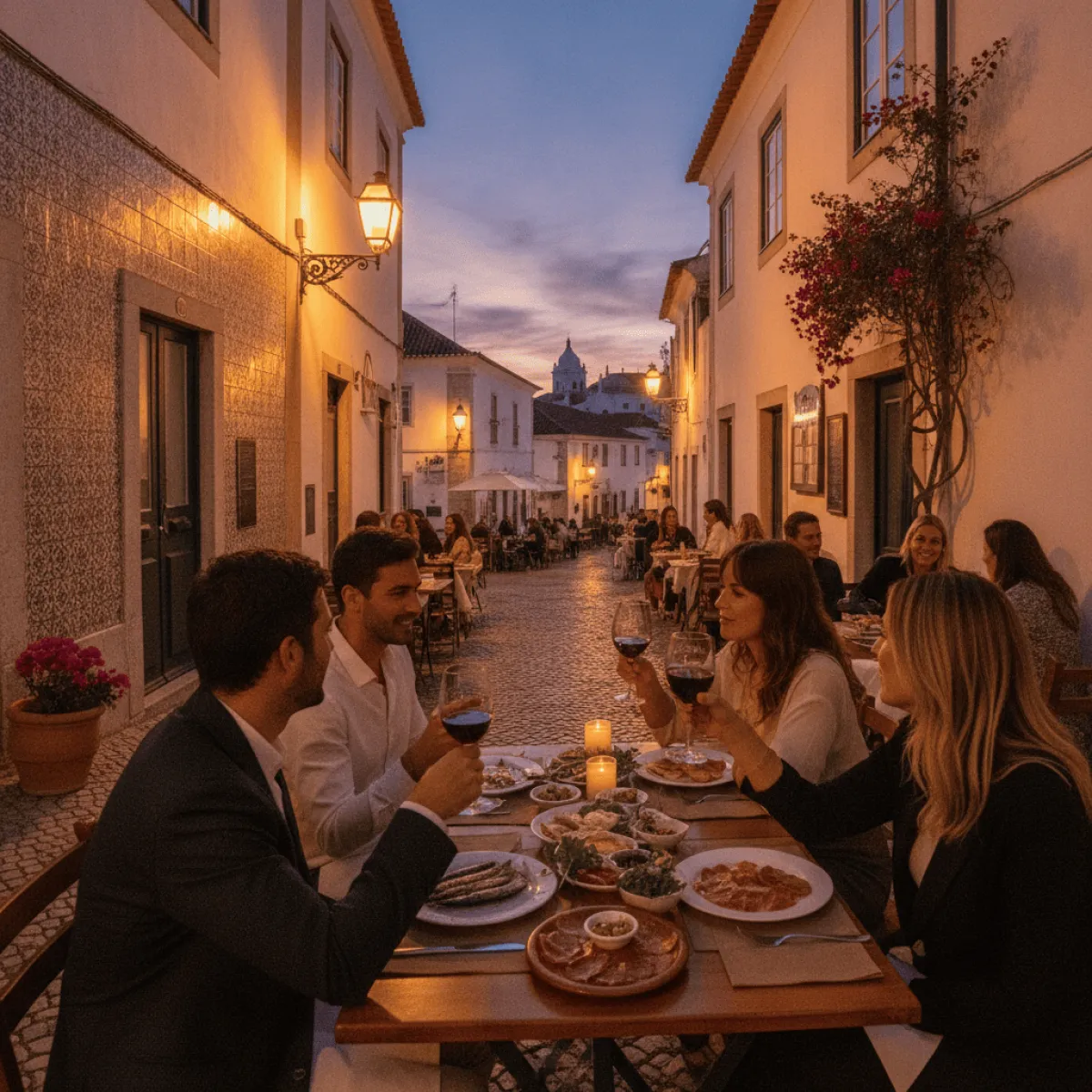
There is a right time to start drinking in Lagos, and it is not at dinner. It is around six in the evening, when the sun drops low enough to stop burning and Rua 25 de Abril swaps the flip flop crowd for the people who have already showered and are ready to spend money. That is your window. Use it well and you will have one of the best nights in the Algarve. Use it badly and you will end up drinking iced sangria somewhere with photos of the menu taped to the door.
This is not a dinner itinerary. It is a petiscos crawl, the kind where you eat a little and often, drink wine that means it, and walk between stops because the old town of Lagos fits inside a fifteen minute stroll. The rule is simple: never fill up in one place. The whole point is the movement.
Start high, with a drink and an opinion
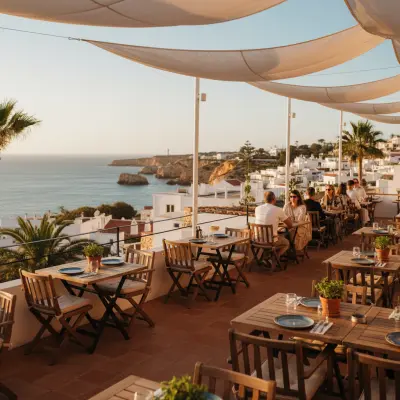
Begin at the top. Luca's rooftop is not the cheapest spot in town, and I will tell you that now so there are no surprises on the bill. But there is a moment, between seven and eight, when the light falls across the rooftops of Lagos and the bay turns the colour of copper, that justifies the price of a glass of cold white wine. Order an Alvarinho or a local wine, take a seat facing the sea, and do not order food yet. You are here for the view and the warm up. One glass, maybe two, then move on. Anyone who gets stuck in the first bar never finishes a good crawl.
If you want to understand why it is worth leaving the marina circuit and heading into the narrow streets of the old town, it is worth reading our Lagos neighbourhood guide first. The city changes character from street to street, and the night happens almost entirely inside the old walls.
Mar d'Estórias: the heart of the night
If I could only send you to one place in Lagos, this would be it. Mar d'Estórias is several things at once: a shop of Portuguese products on the ground floor, a petiscos and wine space, and a rooftop terrace that plenty of people walk past their whole lives without finding. Do this: go in, go up, and ask for a table on the terrace late in the afternoon.
This is where real eating starts to happen, but in small format. The menu turns on well chosen national products: cured cheeses, smoked meats, tinned fish that in Portugal is a serious thing and not emergency food. Order a board to share and a bottle of wine rather than glasses, because it works out cheaper and because a bottle forces you to stay long enough for the evening to settle. Tinned mackerel or sardine over bread, a good Serra cheese if it is on the menu, and olive oil that tastes of olive oil. This is petiscos as they should be: simple, well made, no fuss.
A practical note: the terrace is small and it fills. If you are in a group or visiting on a summer weekend, it is worth turning up early or checking locally whether they take bookings. And do not leave without browsing the shop downstairs, because it is the right place to buy a wine or a tin of fish to take home without falling into tourist traps.
A pause between drinks: the shops that still hold on
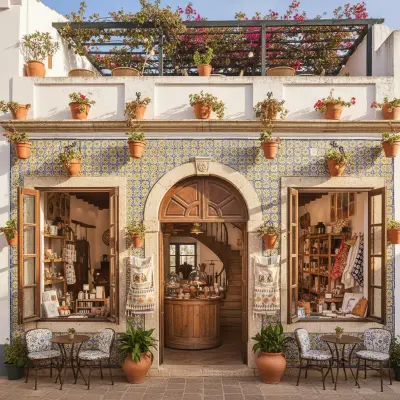
Between one stop and the next, do something almost nobody does on a crawl: walk slowly. The old town of Lagos still has a handful of traditional shops that survived the tide of souvenir businesses. Many close in the early evening, so the window is short, but it is worth peering into old haberdasheries, grocers and family run shops selling regional products. It is the kind of detour that gives the night context: a reminder that Lagos is a city that lives, not just a holiday backdrop. And it sharpens the appetite for the next stop.
Where to drink properly: Bon Vivant
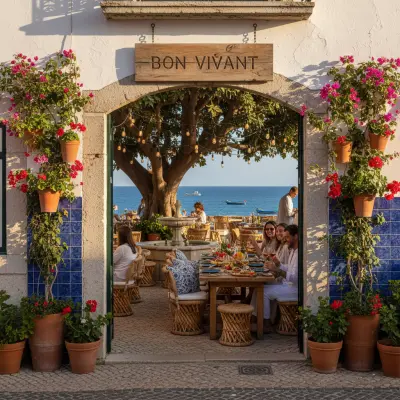
When the hour comes that the wine starts asking for company, head up to Bon Vivant. It is one of the best known bars in the Lagos nightlife, spread across several floors with a rooftop at the top that becomes the obvious destination when the rest of the house gets too full. Do not come here looking for quiet or a serious petiscos menu: come for the energy, the music and the cocktails. This is the pivot point of the night, where you go from eating to drinking properly.
My advice: get there before ten. After that the queue at the door grows and the mood tips more towards club than bar. Between early evening and ten, though, it is a great spot for a well made gin and tonic or a classic cocktail, with people from everywhere and that summer night feeling that makes nobody want to go home. If you want to keep drinking wine, order it by the glass and sit on the terrace; if you want to change gear, this is where you do it.
How to build the night (the practical part)
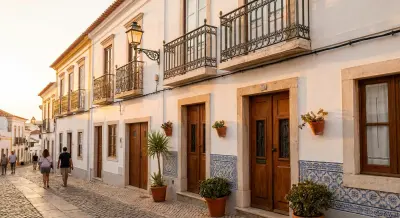
All of this is done on foot. The distance between Luca's, Mar d'Estórias and Bon Vivant is under a kilometre, along cobbled streets that are mostly closed to traffic at night. Wear comfortable shoes: Portuguese cobblestone is pretty by day and treacherous after two glasses.
- When to go: start around 6.30pm and you will be at Bon Vivant by about 9.30pm. In summer the city only comes alive after eight, so there is no rush.
- What it costs: reckon on a glass of wine around 4 to 6 euros in the view facing spots, a petiscos board shared between two at 20 to 30 euros, and cocktails around 9 to 12 euros. Always check locally, as summer prices climb.
- How to avoid mistakes: steer clear of places with menu photos at the door and staff trying to pull you inside. In Lagos, the harder someone pushes you to come in, the worse the food usually is.
- Bookings: in summer the Mar d'Estórias terrace and the Luca's rooftop fill up. Go early or confirm ahead.
The day before the night
A good evening of wine and petiscos tastes even better after a day well spent. Lagos is, above all, a sea town, and the best way to arrive hungry at aperitivo hour is to spend the afternoon on the water. The classic is the boat trip along the caves and coast, which takes you to Ponta da Piedade and the honey coloured rock formations that are the region's calling card. If you prefer something with more substance and less mass tourism, there is dolphin watching led by marine biologists, which trades the photo cruise for the insight of people who actually know the subject. Get off the water around five, take a shower, and you will be ready to start the night on time.
If you bring the family
This itinerary is clearly for adults, but Lagos and the Algarve in general get on surprisingly well with children when you pick the right places. Mar d'Estórias, for instance, works well earlier, at snack time, before the night heats up. And if you are planning serious days with kids, it is worth reading our honest Silves family guide, a short drive away, where the castle and the river fill a whole day.
Why this matters
There is a version of Lagos you can live without ever leaving the marina: cheap beers, laminated menus in five languages, music competing from bar to bar. It is a legitimate version, and some people want exactly that on holiday. But the city has another life, slower and more flavourful, that happens in the upper streets, around a bottle of wine and a board of tinned fish, with people who know what they are serving. That Lagos hides from nobody: it just asks you to climb the hill and leave the marina behind.
If you want to understand this logic in a wider context, how the Algarve lives beyond the beach, read our portrait of local culture in Faro. It is the same idea applied to the regional capital: the best of the Algarve is almost never where the buses stop.
Drink slowly, eat the Portuguese way, walk everywhere. Lagos does the rest.