Grilled Sardines in July: Lisbon and Setúbal on the Coals
Everyone eats sardines on the 13th of June. Mistake: that is when the fish is still lean. The fat sardine, the one that drips on the coals, is the July one. Here is where to eat it well in Lisbon and Setúbal, without paying tourist prices.
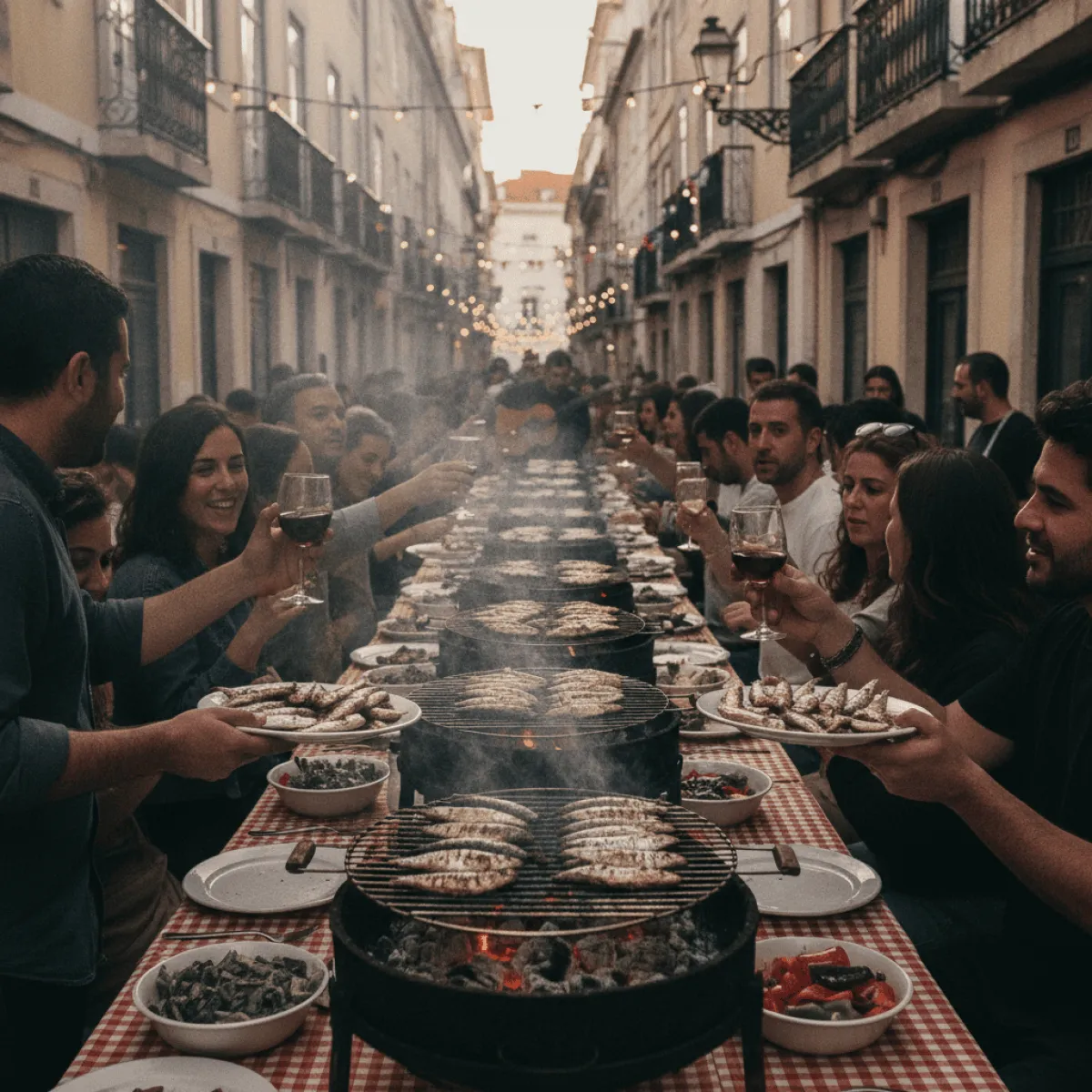
There is a phrase everyone in Lisbon repeats in June, during the Santos Populares festivals, and it is almost always wrong: that the best time to eat sardines is on Santo António, the 13th of June. It is not. On the 13th of June the sardine is still lean, still building up its fat. The old saying is clear: "Pela Santa Iria, a sardinha pinga na brasa" (by Saint Iria, the sardine drips on the coals), and Saint Iria falls on the 20th of October. But the real peak, the moment when the sardine is full, fat and dripping over the grill, is July and August. So if you want the best grilled sardines of your life, wait for the June revelry to pass, let the crowds go home, and come in July.
Why July is the right time
The sardine is a seasonal fish. In winter it is lean and barely worth eating; from May it starts to fatten and hits its peak between July and September. That fat is what makes all the difference on the grill: the skin crackles, the flesh stays juicy, and the drippings fall onto the charcoal and send up that fragrant smoke you can smell three streets away. A July sardine needs nothing more than coarse salt and good coals. If someone offers you a sauce, be suspicious.
The ritual matters too. Sardines are eaten with your fingers, over a slice of bread placed underneath to catch the fat and the juices. That soaked bread is half the pleasure, and anyone who leaves it on the plate has missed the point entirely. It goes with boiled potatoes, roasted peppers, a simple tomato salad and chilled red wine or a glass of vinho verde. Nothing complicated. Good sardines are humble in origin and noble in execution.
Lisbon: beyond the June noise
Lisbon in June is a party, and sardines are everywhere: on the makeshift grills lining the streets of Alfama, Graça, Mouraria and Bairro Alto. It is beautiful, chaotic, and honestly a bit of a tourist trap. Prices climb, queues swell, and the sardine is not always the best, because on those nights what matters is the festivity, not the fish. So my advice is simple: go and see the street parties in June for the experience, but save the real sardinhada for July, when the neighbourhoods return to normal and the taverns serve fish calmly.
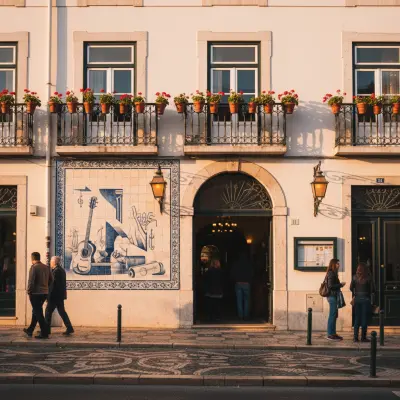
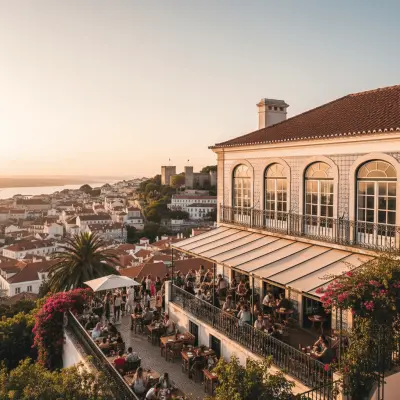
Start the day high up. Climb to the Miradouro da Senhora do Monte in Graça in the late afternoon. It is the highest viewpoint in the city, you can see the castle, the river and the bridge, and it is where you understand Lisbon's whole geography before heading down to dinner. From here, the streets of Graça and Alfama descend towards the Tagus, and it is in those alleys that the city's best sardine houses hide. Look for the small places with the grill out front and the line of smoke drifting into the street. If you see plastic tables, paper tablecloths and a man fanning the coals with a piece of cardboard, you are in the right spot.
A decent sardinhada in Lisbon, in 2026, runs about 12 to 18 euros per person, with six to eight sardines, bread, potatoes and salad. If you are charged more than 25 euros at a touristy spot in the centre, walk away. Sardines are people's food and the price should reflect that.
If you want to try Lisbon's other great street tavern before or after, stop by As Bifanas do Afonso in Chiado to understand what a bifana is when done properly: a bread roll, marinated pork and sauce, eaten standing up, in two minutes. It has nothing to do with sardines, but everything to do with the same philosophy: simple, honest, well made food.
Getting there and what to do nearby
Alfama and Graça are walkable, but the slopes are punishing. Tram 28 covers much of the area, though it is always packed. A more original option is to explore the city by bike: the experience of cycling the Lisbon waterfront with Bike a Wish takes you along the Tagus, and there is also the downhill route from peak to pier, Lisbon to Belém, which spares the legs and builds an appetite. Arriving at the table genuinely hungry is half the secret of a good sardinhada.
Before or after dinner, let the sardines settle with a night of fado. At O Faia, a fado house in Bairro Alto, you hear the real thing, the kind that silences the room. And for anyone wanting to understand the context of all this, the traditions, the neighbourhoods and the way Lisbon lives, our guide to local culture in Lisbon gives you the full picture.
Setúbal: the quiet sardine capital
Here is the opinion that may upset some Lisboners: the best sardines are not eaten in Lisbon. They are eaten in Setúbal. The city to the south, on the far side of the Arrábida hills, faces the Sado estuary and the sea, and it is one of the country's great sardine fishing ports. Setúbal's sardine has a well-earned reputation, and the atmosphere is anything but touristy: this is food eaten by the people who work the fish and eat it fresh the same day.
The heart of it is the Avenida Luísa Todi and the streets around the Mercado do Livramento, one of the most beautiful markets in the country, its walls covered in tile panels depicting the fishing trade. In the morning the market bustles; at lunch, the houses around it fill with locals eating sardines straight off the grill. Do not look for the restaurant with the best decor. Look for the one packed with people talking loudly and eating with their hands.
In Setúbal, a sardinhada tends to be slightly cheaper and more generous than in Lisbon: expect 10 to 15 euros per person at an honest place. And while you are here, do not make the mistake of eating only sardines. Setúbal is the home of choco frito, small cuttlefish breaded and fried that are a local institution. Order a plate of choco frito to share before the sardines and you will understand why the people of Setúbal are so proud of their kitchen. Always check the day's price, since fresh fish fluctuates with the catch.
Getting from Lisbon to Setúbal
It is easier than it sounds. By car it is about 50 minutes via the A2, crossing the 25 de Abril Bridge. By public transport, Fertagus trains and frequent buses connect Lisbon to Setúbal in just under an hour. Go in the morning, wander the Mercado do Livramento, have sardines for lunch, and your afternoon is free for the Arrábida hills or the crystal-clear beaches of the Arrábida coast, some of the most beautiful in the country. Make it a full day, not a rushed lunch.
The rest of the itinerary: do not live on fish alone
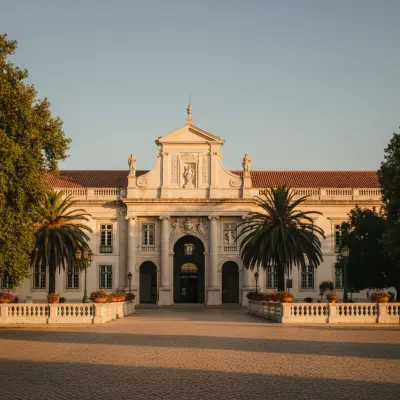
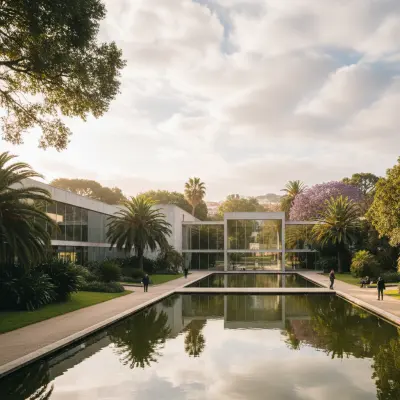
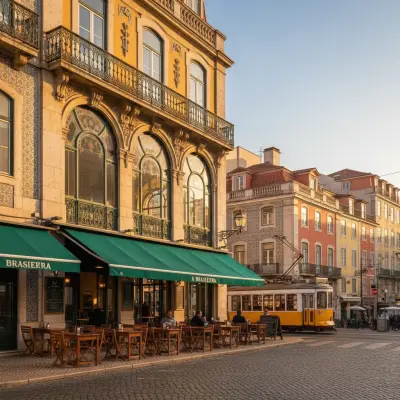
A proper sardinhada deserves company over the course of a day. In Lisbon, before heading down to the coals, you can start the morning with a coffee at A Brasileira in Chiado, more for the history and the ritual than for the coffee itself, which is decent without being memorable. And if you want to balance the richness of the grill with a little culture, the city has two museums worth any trip: the Museu Nacional de Arte Antiga, with the best collection of old master paintings in the country and a garden overlooking the river where you can rest, and the Museu Calouste Gulbenkian, with its cool gardens, perfect for a July afternoon escaping the heat.
If the sardines whet your appetite for more of summer Portugal, there are food traditions across the whole region. For those wanting to leave the city, our Sintra neighbourhood guide shows another side of the area, and anyone with a sweet tooth will enjoy the Mafra sweets trail, which proves that Portuguese popular cooking is far more than grilled sardines, however good they are in July.
The rules of the sardine, to finish
- Eat in July and August, not in June. The late-summer sardine is the fattest and the most flavourful.
- All you need is coarse salt and good coals. Avoid sauces, marinades and fuss.
- The bread underneath is not decoration. Eat it soaked at the end, it is half the pleasure.
- Drink chilled red or vinho verde. The sardine is fatty and calls for acidity.
- In Lisbon, skip the touristy queues in the centre and look for the neighbourhood taverns. In Setúbal, go to the Livramento market.
- Do not pay more than 18 euros for a sardinhada in Lisbon or 15 in Setúbal. Above that, you are paying for the location, not the fish.
Grilled sardines are the most democratic food in Portugal. There is no hidden technique, no expensive ingredients, no mystery. There is fresh fish, salt, fire and the right time of year. Hit the road in July, with your fingers ready to get messy, and discover that sometimes the best meal in the country is also the simplest.