Melgaço and the Minho Borderlands: A Journey Through the Soul of the Raia
Discover Melgaço, the northern sentinel of Portugal, and explore the secrets of the Minho borderlands. From the treasures of the Cinema Museum to the mist-covered bridge of Ponte de Lima and the pottery of Barcelos, this guide dives into the authentic soul of the Alto Minho.
The Northern Sentinel: Melgaço as a Base for Exploration
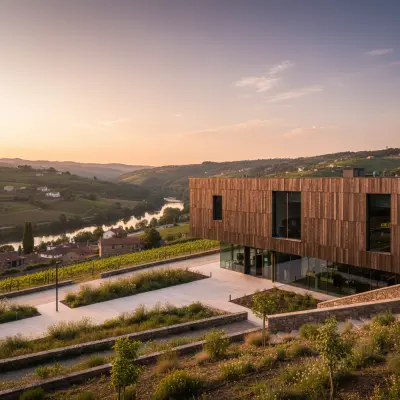
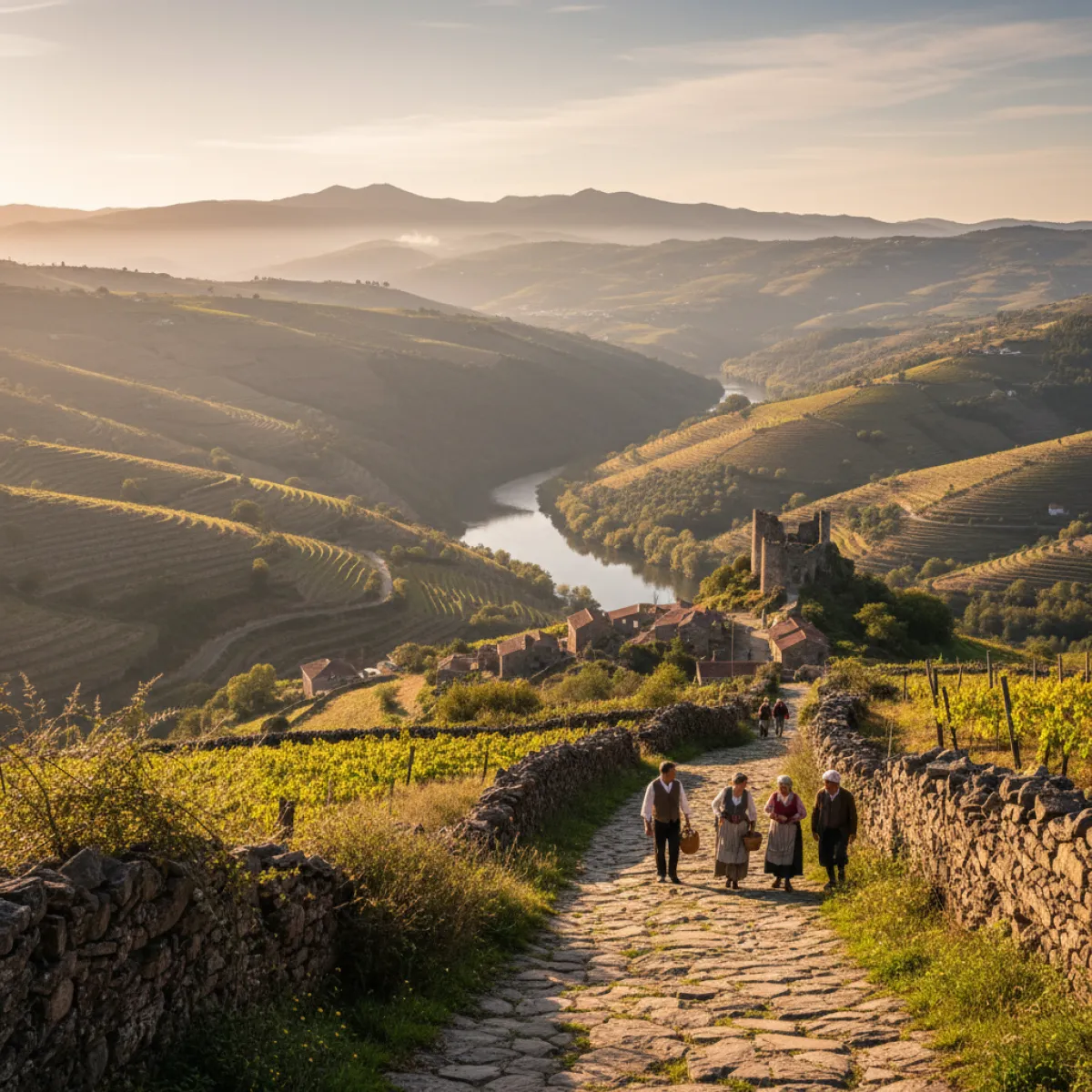
At the northernmost tip of Portugal, where the Minho River carves a border that feels more like a shared heritage than a divide, Melgaço stands as a bastion of granite and wine. For the traveler seeking the marrow of the Alto Minho, this town is not merely a destination but the gravitational center of a region where time is measured by the steady ripening of Alvarinho grapes and the seasonal migrations of mountain shepherds. The landscape here is one of dramatic verticality, shifting from the fertile, vine-draped riverbanks to the austere, windswept peaks of the Peneda-Gerês National Park.
Melgaço demands a deliberate, slow-paced approach. Begin your day in the historic center, where narrow alleys spiral up toward the 12th-century keep. While the military history is palpable, there is a surprising cultural pivot in the heart of the village. The Museu do Cinema de Melgaço (Jean-Loup Passek) is a rare instance of intellectual sophistication in a rugged rural setting. Housing the personal collection of the former director of the Cannes Film Festival’s Critics' Week, it offers a fascinating journey into pre-cinema magic and the evolution of the moving image. It is an essential stop for anyone wishing to understand how a single man's passion turned this border town into a beacon for cinephiles.
The Rugged Uplands: Castro Laboreiro
Driving uphill from Melgaço toward Castro Laboreiro is a transition into a different domain. The road snakes through slopes where ancient oak forests eventually give way to stark, glaciated granite plateaus. Castro Laboreiro is the deep Portugal of legend, a community defined by the transhumance phenomenon—the movement between winter 'inverneiras' and summer 'brandas' villages. The architecture here is functional and imposing, designed to withstand the biting Atlantic winters.
For lunch, lean into the local pragmatism: roasted kid (cabrito), slow-cooked in wood-fired ovens and served with savory offal rice. Miradouro do Castelo is a local institution where the hospitality is as solid as the stone walls. Expect to budget around 25 to 35 euros per person for a feast that includes the local red 'Vinho Verde,' a tart, rebellious counterpoint to the rich meat. Afterward, a walk across the Romanesque bridges—such as the Ponte de Varziela—provides the necessary movement to digest both the meal and the profound silence of these highlands.
Heading South: The Oldest Village in Portugal
While Melgaço offers isolation and introspection, a drive south into the Lima Valley reveals a more bucolic, manicured side of the Minho. Ponte de Lima, roughly an hour away, is the perfect counterweight to the mountain’s austerity. Crossing the iconic Roman-Gothic bridge is a rite of passage into a territory where rural nobility left their mark in the form of sprawling manor houses and Baroque gardens.
The town changes character with the seasons. Those visiting in the colder months will find that The Fog and the Feast: Why Ponte de Lima is Portugal’s Most Evocative Winter Escape captures the melancholic beauty of the river mist and the warmth of a communal table. For those traveling with children, the town’s expansive parks and riverfront paths make it an ideal playground; consult The Slow Rhythm of Ponte de Lima: A Family Guide to Portugal’s Oldest Village to navigate the best spots for a multigenerational afternoon.
The Artisanal Heartland: The Pottery of Barcelos
A comprehensive exploration of the Minho from a Melgaço base should include a detour to Barcelos. This city is the beating heart of Portuguese folk art, where the local clay is transformed into whimsical, often surreal, figures by master potters. The Thursday market is a legendary institution, a sensory overload of textiles, livestock, and ceramics that remains one of the most authentic weekly events in Europe.
To truly grasp the connection between the Minho people and their soil, it is worth reading The Living Craft of Minho: A Deep Dive into the Pottery of Barcelos. Beyond the ubiquitous Rooster of Barcelos, the figurative work of the Ramalho or Côta families reveals a world of local myths and social commentary. A visit to the Pottery Museum (Museu da Olaria) provides the necessary context to appreciate these works as more than mere souvenirs—they are the soul of the region molded into form.
Practicalities and Editor’s Tips
Navigating the Alto Minho requires a car and a certain appetite for winding roads. While the A3 motorway provides a quick north-south artery, the secondary N101 road offers far superior vistas of the terraced vineyards and schist villages. The best time to visit is late spring, when the mountains are ablaze with gorse and heather, or late September for the harvest season in Melgaço and Monção.
- Timing: May to June for hiking the Peneda; September for wine enthusiasts.
- What to order: In Melgaço, seek out single-estate Alvarinhos from producers like Soalheiro. In Ponte de Lima, the Sarrabulho rice is the definitive local dish.
- Budgeting: A daily budget of 120-160 euros for a couple will cover a quality rental car, excellent meals, and entrance fees for the major cultural sites.
Melgaço and its surroundings are not for the hurried traveler. They are for those who find beauty in the grain of old granite, the bracing acidity of a cold white wine, and the timeless rhythm of a borderland that refuses to be tamed by modernity. It is the most authentic slice of Portugal, where the frontier is a line on a map but the culture is a shared, living legacy.