Visit
€€
Mabi
Vila Nova de Milfontes
Finished in 1602 and protected since 1978, the Forte de São Clemente guards the mouth of the Mira from the highest point in Milfontes. You cannot go inside, but the late-afternoon view over the estuary is reason enough to climb up.
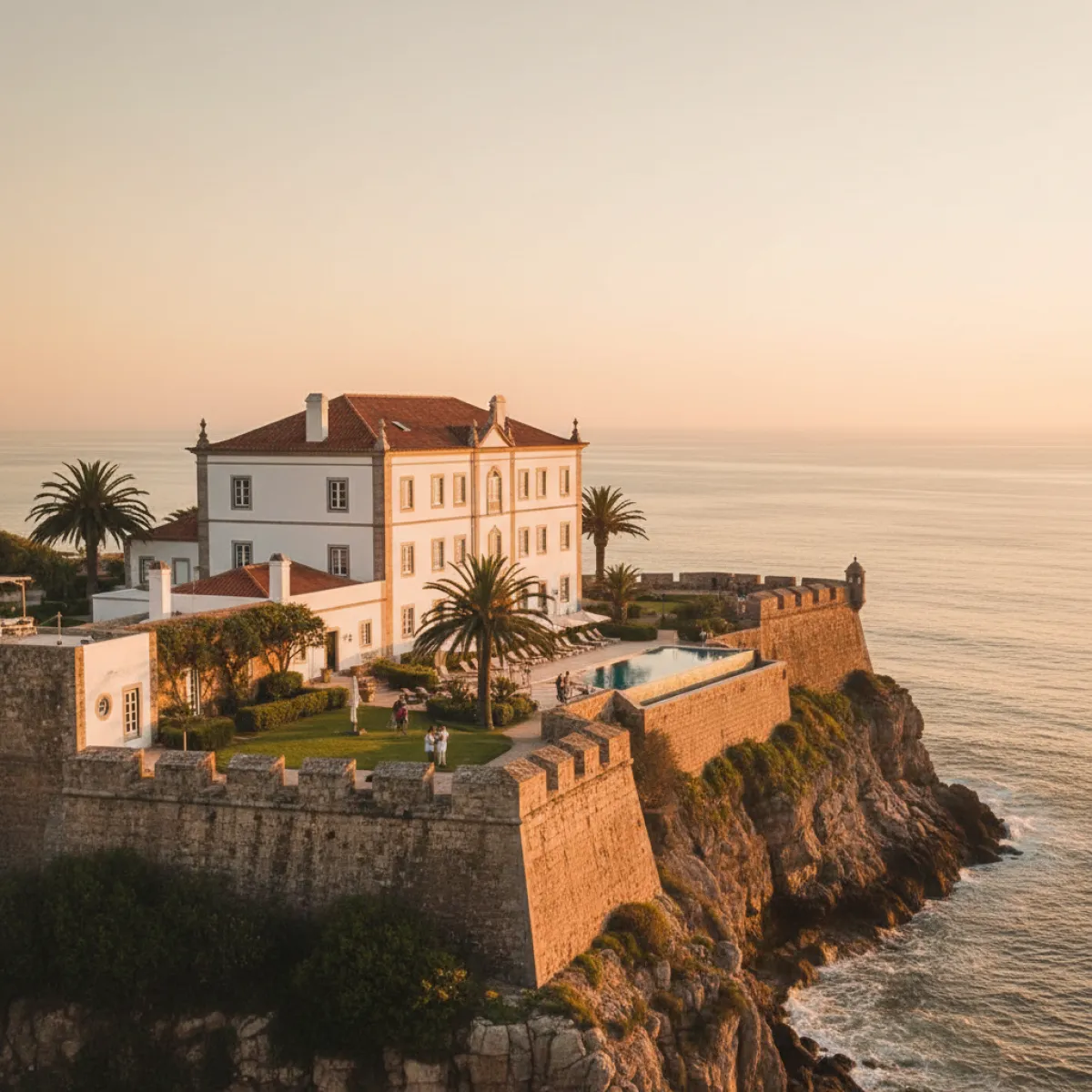
The Forte de São Clemente has no ticket office, no audioguide and no posted opening hours. It sits at the highest point of the north bank of the Mira estuary, and most people walking down to the beach pass right beneath it without realising they are looking at a bastioned fortress completed in 1602 to keep Moorish and English pirates off the Alentejo coast. So here is the first thing to know: it is free, you see it from the outside, and what you are paying for, in time, is the location.
Let us be clear: the Forte de São Clemente is a coastal bastioned fortress, built on a rocky promontory at the mouth of the river Mira in Vila Nova de Milfontes, and finished in 1602. It has been classified as a Property of Public Interest since 1978. The diamond-shaped bastions point to the four cardinal directions, and the job they were built for was unromantic: stop the pirate raids that worked their way up this coast looking for slaves and goods. It worked, more or less, for centuries.
Today the fort is privately owned and operates as accommodation, which means you cannot go inside. This is the single most common disappointment for first-time visitors who turn up expecting a museum. There is no museum. There are walls, a gate, a view, and the site itself.
The official address is Rua Pedro Álvares Cabral 3, 7645-234 Vila Nova de Milfontes, but you do not need the door number. As soon as you enter the village from the main road, the silhouette of the fort appears to your right, above the estuary. On foot from the historic centre, it is a five to seven minute walk along Rua dos Aviadores towards Praia do Farol. By car, there is free parking on the upper viewpoint, but in July and August it is a battle: arrive before 10am or after 7pm, or do not bother.
Coming from outside the region, take the A26 from Sines down to Cercal, or the IC1 / N120 from Lisbon, with the last stretch on the N393 into Milfontes. There is no train. Rede Expressos buses run from Lisbon Sete Rios to Milfontes in roughly three and a half hours, and the bus station is a ten minute walk from the fort.
The view is the real reason to climb up. The fort faces west, opening over the river mouth with Praia das Furnas across the water and the Atlantic on the right. On clear days you can pick out Cabo Sardão to the south. Late in the afternoon, with the tide coming in, the estuary fills with small boats and the light falls right onto the southwest bastion. It is one of the best free viewpoints on the Vicentine Coast, and unlike most of them, no one is selling you a ticket.
If you are carrying a camera, or just want to know what you are looking at, read our notes on tides and light at the Mira estuary first. Blue hour here is short, between 25 and 40 minutes depending on the season, and from late October the sun sets behind the fort itself, which changes the entire composition.
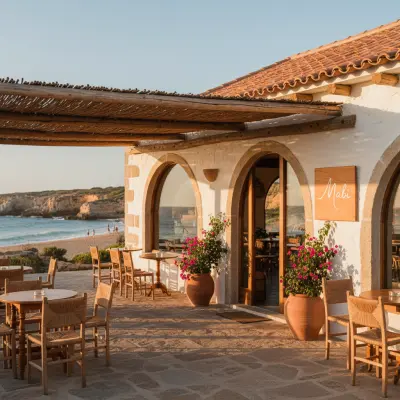
You will spend 30 to 45 minutes here, walking around the walls and taking a few photos. That is not enough to fill an afternoon, and that is the point. Walk back into the village along Rua do Farol and find a table. Our local pick is Mabi, right in the heart of Milfontes, for an unfussy lunch with the fish of the day and a serious couvert. Book ahead between June and September.
If you are here on a spring weekend, check the calendar: the Trail Guerreiros do Mira runs across the very promontory where the fort stands, and the village changes character on race day. In autumn, the Marine Forests Festival brings talks, films and workshops about the estuary ecosystem, which is the part of the story the fort itself does not tell.
The Forte de São Clemente is, at the end of the day, a late-Renaissance military structure dropped on one of the most photogenic stretches of the Portuguese coast. It was not built for tourists or for sunset photos: it was built to point cannon at the sea. Knowing that changes how you read the angles of the bastions, the thickness of the walls, the way the whole thing sits in relation to the river bar. Come with time, come without expecting a guided tour, and stay long enough for the light to shift at least once. That is what the place gives you.