Visit
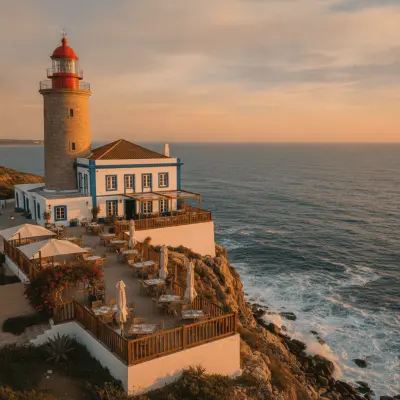
Miradouro do Farol de Vila Nova de Milfontes
Vila Nova de Milfontes
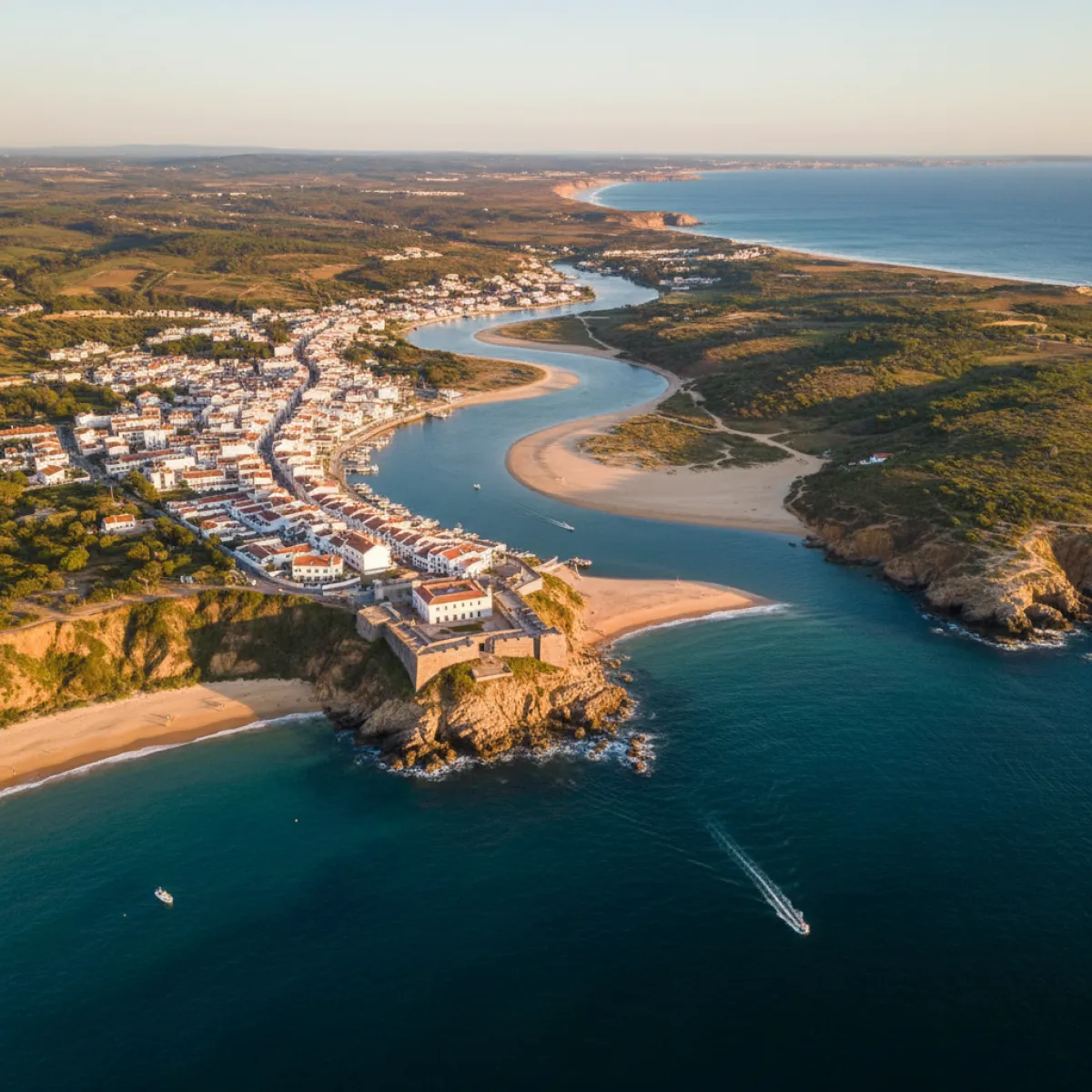
Where the River Mira meets the Atlantic, Milfontes combines river and ocean beaches with some of the best razor clam rice on the Alentejo coast. Visit in June or September to dodge the August crowds and make the most of the long days.
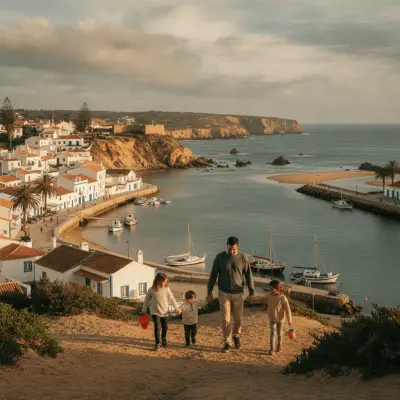
A calm river instead of the wild Atlantic, a castle with pirates and ice cream at the right moment. Why Milfontes is one of the few Vicentine Coast towns built for families, and why August can ruin it all.
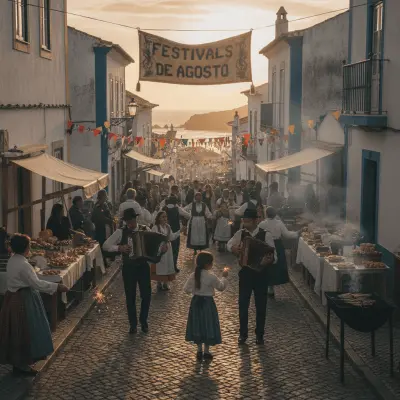
August triples the size of Milfontes, fills the Mira estuary and sends half the country to the Sudoeste Festival next door. An honest guide to street parties, seafood, sunset kayaks and surviving the wildest month of the year.
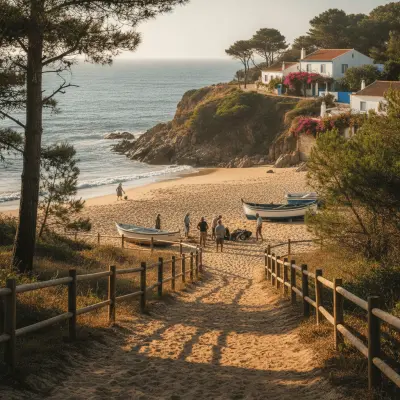
In August, the secret of Milfontes isn't avoiding high season, it's learning to move within it: the beach at 8:30am, the river at noon, Odemira percebes at dusk. A guide to living on the edges of the day and the map.
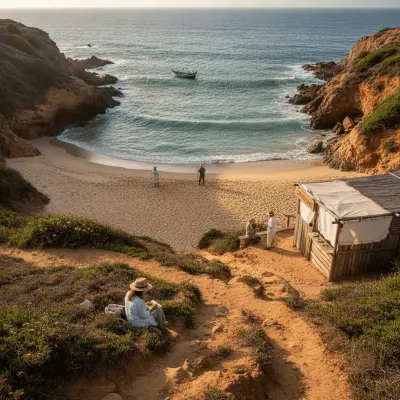
In July, Milfontes turns into one giant queue. The trick isn't to conquer the village, it's to sidestep it: early mornings on Praia da Franquia, fish lunches in Porto Covo, and sunset kayaks while everyone else heads back to land.
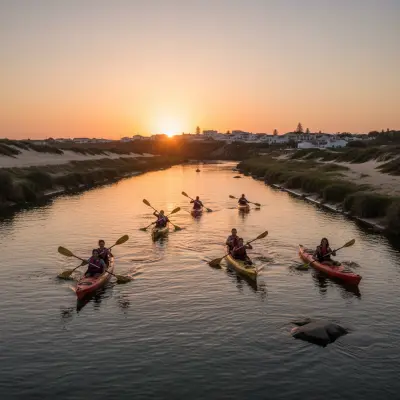
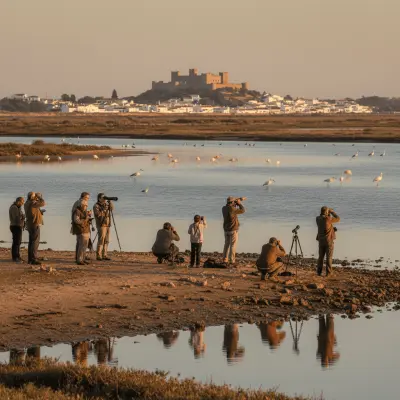
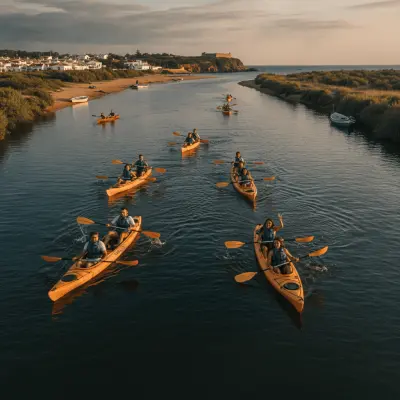
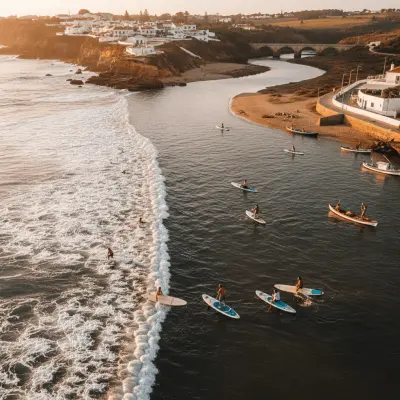
Vila Nova de Milfontes sits at the exact point where the River Mira finally meets the Atlantic. That confluence defines everything, the light, the landscape, the pace of the days. The town grows outward from its 16th-century castle, a low grid of streets that slope down to the river on one side and the ocean on the other. It's not large, but it packs an absurd number of beaches for a place this size.
The Mira estuary is the real draw. The tide changes everything: in the morning, the river beach near the bridge can be a calm mirror, perfect for families with small children; by afternoon, as the tide pushes in, the current picks up and the scene shifts entirely. Across the river, Praia das Furnas stretches for kilometres of near-empty sand, reachable by boat or via the road that loops through Almograve. It's the kind of beach that in most European countries would have a five-star resort bolted onto it, here, it has dunes and silence.
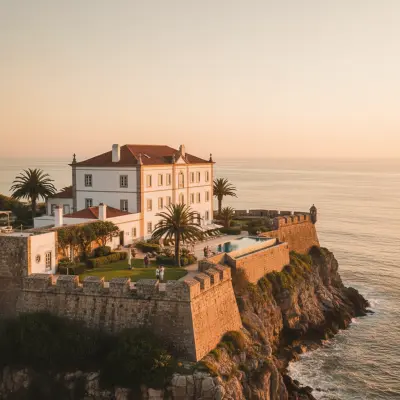
The old centre clusters around the Castelo de Milfontes, built in the late 1500s to defend the port from North African pirates. Today it operates as accommodation. The surrounding streets, Rua dos Aviadores, Rua do Cais, hold most of the restaurants and cafés. On summer evenings, the area around Largo do Rossio fills up without ever feeling overwhelming, a mix of Portuguese holiday families, surfers, and Rota Vicentina cyclists.
Milfontes is fish and shellfish territory, but the dish that deserves your attention is arroz de lingueirão, razor clam rice, when in season between March and September. The razor clams are harvested from the estuary's sandbanks and show up on local menus with a freshness you simply can't replicate in Lisbon. Grilled octopus and clams à Bulhão Pato are reliable choices at nearly any table.
The best time to visit is June or September. August brings crowds, the town's population triples and traffic at the entrance becomes a patience test. June means the water is still cold but the days are long and the town breathes. September offers the best balance: warmer sea, fewer people, restaurants still in full swing. Two to three days is the right amount of time, enough to explore the beaches, walk a stretch of the Rota Vicentina, and settle in on the seawall at the end of the day to watch the sun drop over the estuary.