Vila Nova de Milfontes in July: Beating the Crowds
In July, Milfontes turns into one giant queue. The trick isn't to conquer the village, it's to sidestep it: early mornings on Praia da Franquia, fish lunches in Porto Covo, and sunset kayaks while everyone else heads back to land.
There is a precise moment, somewhere around the 20th of July, when Vila Nova de Milfontes stops being a village and becomes a queue. A queue for bread at the bakery, a queue for parking near the river, a queue for a table where, back in May, you dined practically alone with the waiter for company. Lisbon and Porto empty themselves out here in August, but July is the warning shot, and anyone who knows the Vicentine Coast understands that the difference between a frustrating holiday and a brilliant one comes down entirely to what time you set your alarm.
Let me be blunt: don't come to Milfontes in July expecting to have it to yourself. That isn't going to happen. What I'm proposing instead is the art of living in the village during the hours when everyone else is asleep, and getting out of it during the hours when everyone else is tripping over each other. Do this well and July goes from a nightmare to a quiet triumph.
The golden rule: get up early, no exceptions
I know you're on holiday. I know the idea of setting an alarm for 7:30am offends everything a holiday stands for. But in Milfontes in July, the morning is the only time the village belongs to you. At 8am, Praia da Franquia, the calm, sheltered river beach that is the village's postcard, is practically empty. The sand is still cool, the Mira tide mirrors the sky and the kiosk hasn't even opened. By 11am, the same beach looks like a chart of Portuguese demographics: towel against towel, parasols sprouting like a field of coloured mushrooms.
Use the morning for what matters and save midday for a nap or a long lunch in the shade. It's counterintuitive, but the best way to enjoy July is to flip your schedule: active mornings, slow afternoons, active early evenings again. The Vicentine Coast sun is generous until 9pm, so you lose nothing.
Where to have breakfast without the stress
Get to a café near the parish church early, before 9:30am, and you'll still find a table on the terrace. Order a slice of toasted Alentejo bread with butter and a galão. Simple, but the regional bread makes all the difference. After 10:30am things get complicated, so sort breakfast out early and keep the rest of your morning free.
The fort, the history and the timing trick
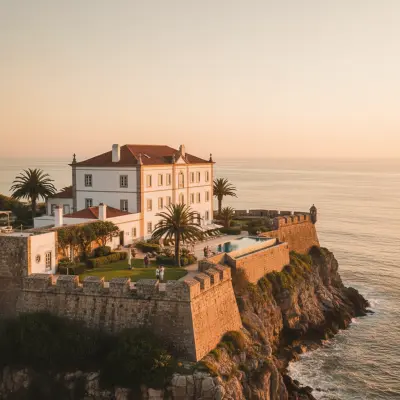
The Forte de São Clemente is the building that defines the village's silhouette above the Mira estuary. Built in the 17th century to defend the river mouth against pirate raids, it is now privately owned, so don't expect guided tours of the interior, but the exterior and the view over the river are worth every step. The secret is to see it first thing in the morning, when the light hits it head on and the terrace isn't taken yet, or late in the afternoon, once the coaches have left and you get the village and the river to yourself.
From here you can read the whole geography of Milfontes: the river opening out into the Atlantic, the bar where the boats come and go, and the reason this was always a village that faced the water rather than the land.
Lunching well without queuing: the fish question
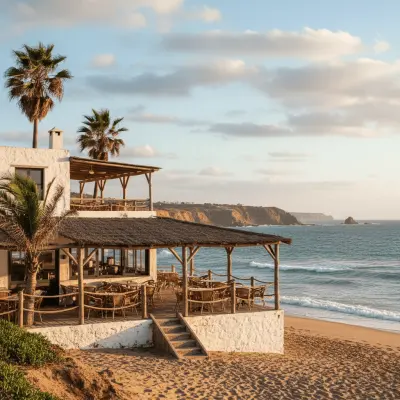
Here is the uncomfortable truth about July: the good restaurants fill up, and the ones still holding free tables at 2pm tend to be exactly the ones you should avoid. The solution isn't magic, it's anticipation. Book ahead. Or eat early, at 12:30pm, while most holidaymakers are still on the beach.
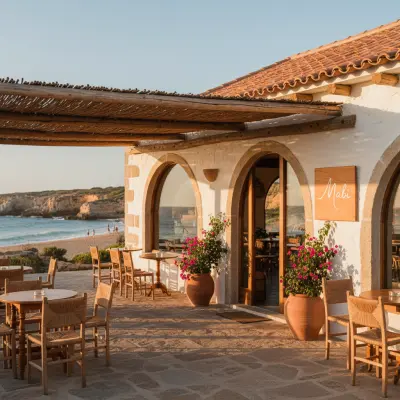
For fish and seafood with a river view, the Mabi restaurant is a village reference point, one of those places where location and fresh fish meet. But my most honest advice for July? Take a day trip. A few kilometres to the north sits Porto Covo, and anyone who takes fish seriously should first read this guide to Porto Covo's fresh fish, where the distance between boat and plate is still gloriously short. Eating a spider crab or a plate of freshly grilled mackerel in a Porto Covo square, far from the Milfontes scrum, is one of the best decisions you can make on a peak day.
The afternoon escape: beaches and pools where nobody will step on you
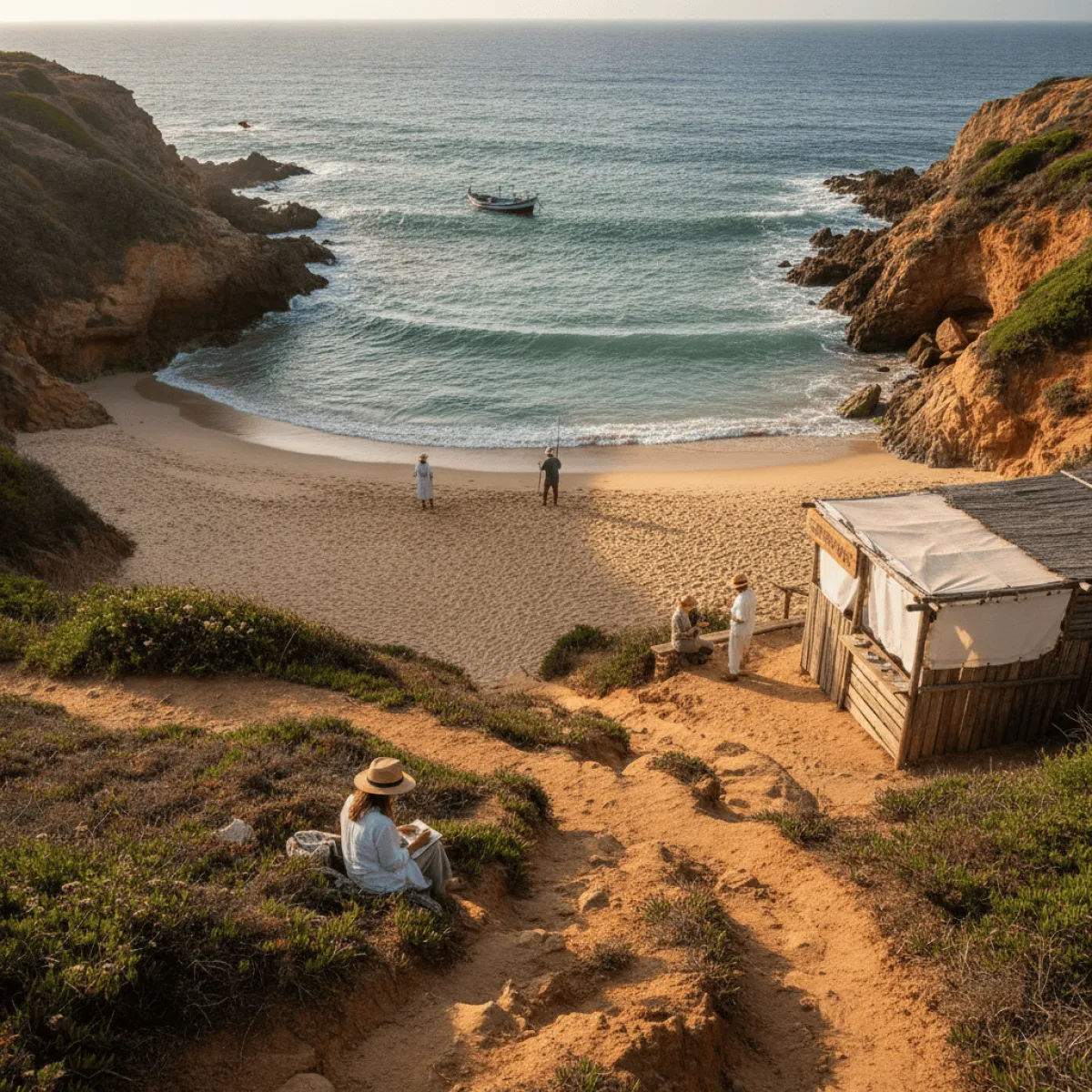
The great lesson of the Vicentine Coast in July is simple: the crowd gathers wherever there's easy parking and a beach bar. Walk 15 minutes from any car park and the human density drops off a cliff. The wild beaches south of the Mira, towards Almograve and Zambujeira, have enormous stretches of sand where you'll find space even in August if you're willing to walk a bit.
If you want an alternative to the pounding sea and the chaos of the main beaches, the area's natural pools are the locals' badly kept secret. It's worth exploring this guide to the natural pools near Porto Covo: pockets of seawater sheltered among the rocks, perfect for anyone travelling with children or who simply doesn't fancy fighting the waves and the masses at the same time. Bring water shoes, a hat and water, because shade is rare at these spots.
The late-afternoon kayak, the best decision of the day
If there's one experience that solves the July afternoon problem, it's taking to the water just as everyone else heads back to land. The sunset kayak trip on the Mira estuary catches the village in its best light, the fort cut out against an orange sky and the water almost still. Paddling the estuary in the late afternoon, when the heat loosens its grip and the crowd disperses, is the antithesis of everything that makes July exhausting. Book ahead, because spots sell out fast in high season.
The rest day: birdwatching away from the beach
Not every July day has to be a battle for a patch of sand. One of the best antidotes to beach fatigue is to turn your back on the sea and head inland to the wetlands. The birdwatching trip at Castro Marim, departing from Milfontes, takes you to the salt pans and marshes of the eastern Algarve, where flamingos, spoonbills and dozens of other species go about their day. It's a calm programme, ideal for a morning when you don't feel like sharing the beach with anyone, and it gives you a completely different perspective on the region.
Logistics: getting there and getting around
Milfontes is about two hours by car from Lisbon, down the A2 and then along the road that cuts across the Alentejo to the coast. In July, the car is both a blessing and a curse: you need it to explore the beaches and Porto Covo, but parking in the village at midday is a contact sport. My suggestion: leave the car by your accommodation first thing in the morning, do the village on foot, and only use the car for afternoon escapes, once you're out of the congested zone.
- Reservations: accommodation and dinner restaurants book up weeks in advance in July. Don't leave it to the last minute.
- Parking: arrive in the village before 10am or after 7pm if you want a spot near the centre.
- Cash: carry some change, as a few kiosks and beach stalls still prefer it.
- Sun protection: the coastal wind is deceptive, and in July you'll burn without noticing.
The truth nobody tells you: maybe you shouldn't come in July
Here is the most honest advice in this guide, even if it sounds counterproductive: if you have any flexibility, don't come in July at all. Milfontes is a genuinely different village outside peak season, and anyone who knows it in June or September struggles to believe it's the same place as August. If you can stretch your holiday to late September or pull it back to June, read what goes on in Milfontes off-season, October to March and you'll understand exactly what you're missing by insisting on the height of summer.
But if July is your only window, because of school, work or family, then play the game cleverly. Get up early, lunch early, escape to the secondary beaches and to Porto Covo, get on the water at sunset, and leave the peak hours for shade and sleep. Milfontes in July isn't a village to conquer, it's a village to sidestep. Those who grasp this leave with a tan, with fish in their stomach, and with the rare feeling of having beaten the crowd without ever facing it head on.
In the end, it's a question of rhythm. The village has its own, dictated by the tide, the light and the holidaymakers. Learn to read that rhythm and July stops being an obstacle. It becomes, with a little early-morning effort, exactly what you came looking for.