Visit
€
Miradouro do Varatojo
Torres Vedras
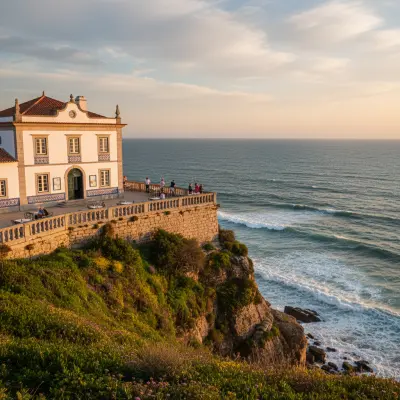
On a street literally named "Go See the Sea," this unmanaged clifftop viewpoint on the Torres Vedras coast puts you face to face with raw Atlantic and eroded rock. No barriers, no fee, no crowd, just wind and ocean.
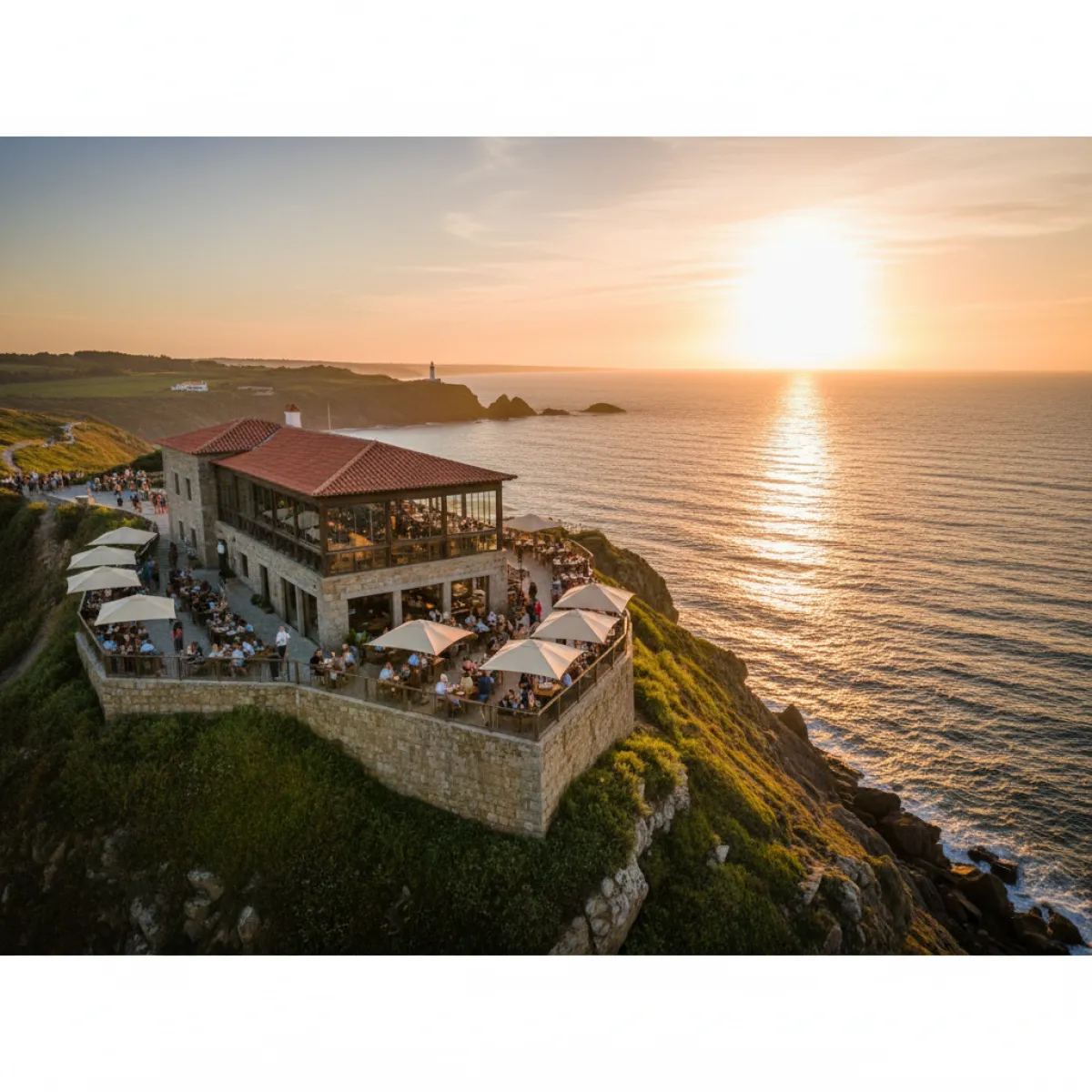
Miradouro da Ponta da Vigia sits on the coastal edge of Torres Vedras municipality, on Rua A-ver-o-Mar, a street whose name translates literally to "go see the sea." That's the entire pitch, and it delivers. This is a free, unmanaged clifftop viewpoint where the Atlantic crashes against eroded rock faces and the wind doesn't let you forget where you are. There's no entrance fee, no opening hours, no visitor center. Just coast.
Getting here requires a car, practically speaking. From Torres Vedras town center, follow the N247 toward the coast through Maceira. A-Ver-O-Mar is a small settlement with minimal signage, use GPS and trust it. Park where you can along the road and walk the final stretch. Public transport to this specific spot isn't viable.
The view is unobstructed Atlantic, full stop. The cliffs here are sandy-colored sedimentary rock, carved into shapes that change with the tides and the centuries. There are no barriers between you and the edge, which is both the appeal and the caution. On calm days, the water below is a deep blue-green that photographs beautifully. On rough days, the waves hit the cliff base and send spray high enough to feel on your face even from the top.
Photographers will find this spot particularly rewarding during golden hour, you're facing due west with nothing between you and the horizon. The jagged coastline in both directions gives natural framing that most viewpoints can't match. But you don't need a camera to justify being here. This is one of those rare places where doing absolutely nothing feels like enough.
Most visitors to this part of Portugal head straight for Santa Cruz and its surf breaks. Fair enough, it's a great beach town. But between Santa Cruz and the Ericeira coastline, there's a stretch of wild, largely undeveloped shore where cliffs dominate and beach access is limited. Ponta da Vigia belongs to this stretch. It's not a beach. It's a lookout point, and it's better for it.
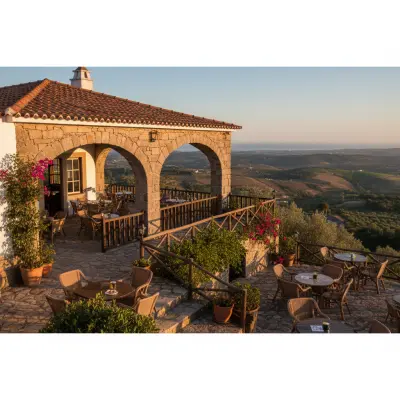
If you're spending time in the Torres Vedras area, pair this with Miradouro do Varatojo, which gives you the opposite view, inland, over fields and vineyards instead of ocean. Together, they show what Torres Vedras actually is: a municipality that stretches from raw Atlantic coast to gentle agricultural interior, with far more range than its beach reputation suggests.
History buffs should also consider the tactical tour of the Lines of Torres Vedras. The coast you're contemplating in peace was, two hundred years ago, part of a defensive system that stopped Napoleon's army. The forts are gone from this spot, but the strategic logic of the terrain becomes obvious when you see how the cliffs create natural barriers.
Spring and autumn are ideal, mild temperatures, golden light, almost nobody around. Summer brings more people to the coastal area generally, but this viewpoint stays quiet because there's no beach to draw crowds. Winter is for the committed: the cold and wind are real, but watching an Atlantic storm from these cliffs is an experience that recalibrates your sense of scale. The ocean doesn't care about your schedule, and from up here, that feels like the right perspective.
After the viewpoint, drive into Torres Vedras for a proper meal. Our guide to where locals actually eat covers the restaurants that don't bother with English menus because they don't need to.