Torres Vedras: A Real Food Guide to Local Favorites
Forget the tourist menus and Instagram traps. In Torres Vedras, food is a matter of proximity, market rituals, and bean pastries that are local dogmas. Discover where residents actually sit for a "saloio" lunch and why this is the most honest food city in the West.
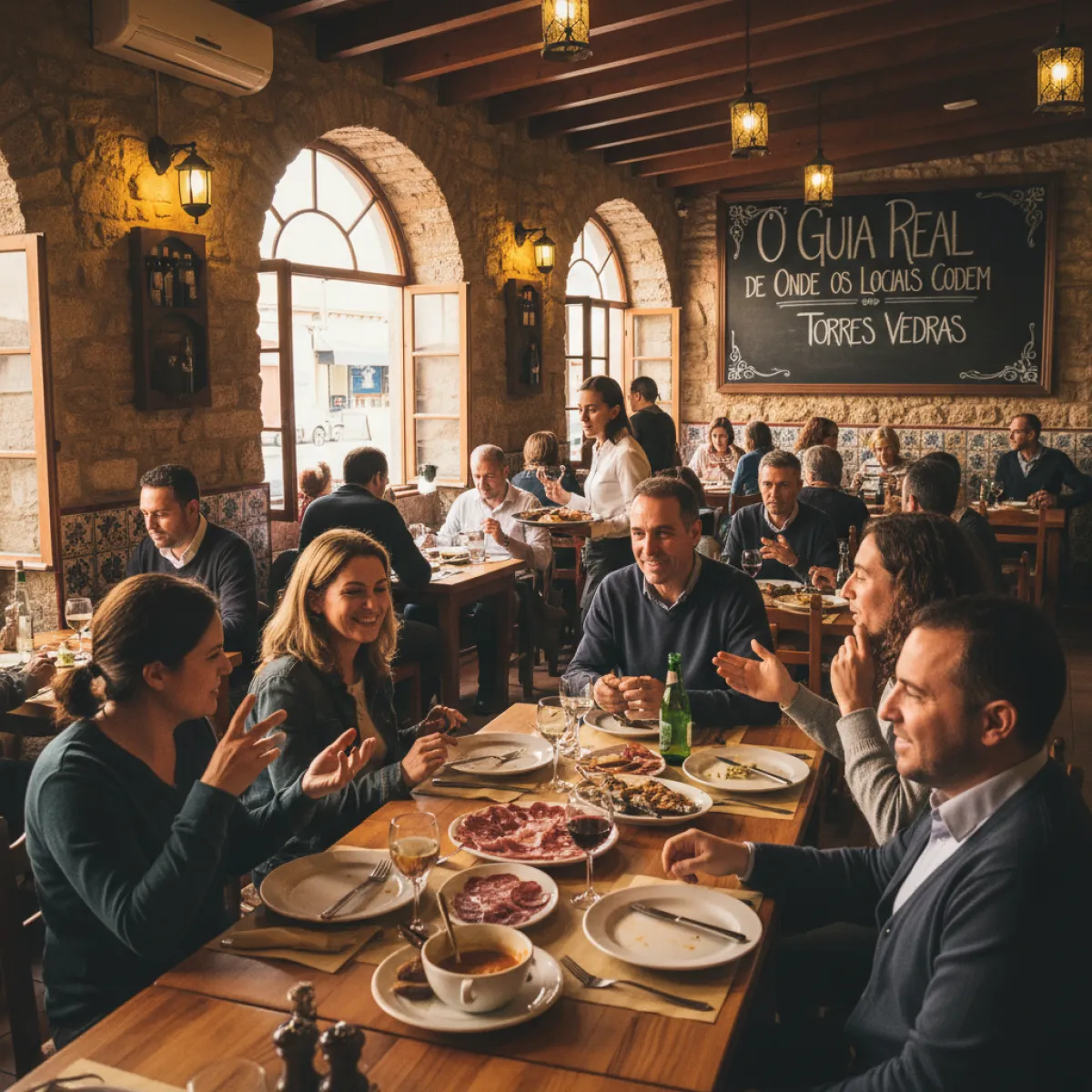
Beyond the Carnival: The Real Table of Torres Vedras
Torres Vedras suffers from a chronic image problem: most people only think of the city when Carnival arrives or when they are speeding past on the A8 highway toward the beaches of Peniche. It’s a rookie mistake. While tourists are elbowing each other for a seaside table in Cascais, those in the know understand that the real gastronomic density of the West region lies here, between the vine-covered hills and the slow bend of the Sizandro River. Torres isn’t a city of painted facades for Instagram; it’s a city of substance, where breakfast starts with a bean pastry and lunch rarely ends without a jug of red wine from the Lisbon Region.
Forget the tourist menus with faded photos. To eat like a resident, you must understand the "saloio" (rural hinterland) psychology. This isn’t the local culture in Lisbon, where tradition is often a performance for visitors. In Torres Vedras, food is a matter of proximity. What’s on your plate likely came from a field less than ten kilometers away. It is a cuisine of resistance, market-driven and seasonal, requiring you to know where to park and what time to show up before the communal platters run dry.
The Municipal Market Ritual and the Breakfast of Champions
If you want to feel the city’s pulse, you need to be at the Mercado Municipal de Torres Vedras by 9:00 AM on a Saturday. Forget the hotel’s capsule coffee. Here, the air smells of fresh cilantro, damp earth, and fish that just arrived from the nearby coast. It’s the perfect spot to observe local producers, calloused hands selling Alcobaça apples, Rocha pears, and cabbages that look like sculptures. This is also where your education in the Pastel de Feijão (Bean Pastry) begins.
Don't make the mistake of thinking all bean pastries are created equal. There is a hierarchy. Pastelaria Maria and Fábrica Coroa are the names you’ll hear in any heated local debate. The original pastry contains no flour in the filling, just white beans, almonds, sugar, and egg yolks, wrapped in a thin, crisp crust that shatters at the first touch. A good pastry should have a slightly caramelized, almost burnt top that offers a bitter resistance to the sweetness inside. Eat it with a short espresso, standing up at the counter of Pastelaria Maria on Rua Serpa Pinto. It costs about €1.50 and is the best investment you’ll make before noon.
Where Lunch is Sacred: Taverns and Fire Kitchens
When the sun climbs, the city moves to the tascas (taverns). If you’re looking for luxury and linen tablecloths, you’re better off checking a Sintra neighborhood guide, where aesthetics often precede flavor. In Torres, what matters is the cooking point of the meat and the temperature of the wine. Taberna 22, in the historic center, is a safe harbor. Forget the menu; ask what just came out of the kitchen. If there is "pica-pau" (beef strips) or black pork petiscos, order them without hesitation. The environment is loud, the tables are close, and the service is brisk, exactly how a proper eating house should be.
For something more substantial, Moinho do Paul is an institution. Located slightly outside the center, this restaurant occupies an old mill and serves portions that defy human anatomy. The "Bacalhau à Moinho" (Codfish) is the crowd-pleaser, but the true star for locals is the oven-roasted veal. The meat falls apart, the potatoes have absorbed the roasting juices, and the seasoning is pure rustic comfort. Expect to spend between €20 and €30 per person with wine and dessert, which, given the quality, is an absolute steal.
Active Digestion and the West Coast Camino
After a lunch like that, a nap is tempting, but the region offers better ways to recover. If the weather is fair, kayaking the Sizandro River in Torres Vedras is a brilliant alternative to a food coma. The river meanders through the agricultural landscape, offering a perspective of the city that few visitors ever see. It is quiet, bucolic, and allows you to watch herons take flight while you try not to focus on the muscles currently protesting against that second helping of veal.
For those who prefer to keep their feet on solid ground, this area is crossed by one of the most beautiful and least congested pilgrimage routes. The West Coast Camino passes through here, strategically linking Lisbon to the northern coast. Even if you don't intend to walk all the way to Galicia, walking the stretch that leaves Torres toward Turcifal is an exercise in visual meditation among vineyards and manor houses. This is where you realize that Torres Vedras isn't just a city, but the center of a vibrant rural ecosystem.
Wine and Dinner: The New West
Torres Vedras is part of one of the largest wine-producing regions in the country, and the quality has skyrocketed recently. We are no longer just talking about bulk wine for Lisbon's old taverns. Projects like Adega Mãe, in Ventosa, have changed the game. The architecture is minimalist and modern, but the wines, especially the whites influenced by the proximity of the Atlantic, are fresh, saline, and cut through the local grease with surgical precision. Go for a tasting in the late afternoon; the light over the vines is better than any phone filter.
For dinner, Roots is where tradition meets modern technique without falling into pretentious traps. This is where you see the new generation of Torres residents dining. They use local products, rabbit, beans, garden vegetables, but give them a contemporary dressing. It’s an excellent way to close the day before returning to more obvious destinations, perhaps as part of the best day trips from Cascais. But honestly, once you’ve tasted the real West, it will be hard to look at the typical tourist offerings with the same enthusiasm.
Practical Tips for the Hungry Traveler
- Getting There: The A8 is the fastest route from Lisbon (45 min), but the N8 is much more scenic. The Rodoviária do Oeste bus (Rápida Verde) is efficient and leaves from Campo Grande.
- When to Go: Saturday mornings for the market. Avoid Mondays, as many of the best local restaurants are closed for rest.
- What to Buy: Besides bean pastries, look for Uvada (a grape preserve with no added sugar) and local rye bread.
- Prices: A standard lunch in Torres costs €15 to €20. At Roots or Moinho do Paul, expect €25 to €35.
Torres Vedras doesn't need you to like it. The city has a self-confidence born from centuries of prosperous agriculture and military resilience. But if you take the trouble to find the right table, to listen to the clatter of forks in the taverns of the "Rua de Trás," and to taste the burnt sugar of a pastry fresh from the oven, you will discover that this is quite possibly the most honest city in Portugal to sit down and eat.
