What to Eat in Guarda in May: A Seasonal Guide
May in Guarda sits at the perfect crossroads of winter and spring, and the table reflects it. From roast kid to requeijão with honey, from the first Fundão cherries to months-old cured meats, this is your guide to eating at Portugal's highest city when the highlands wake up.
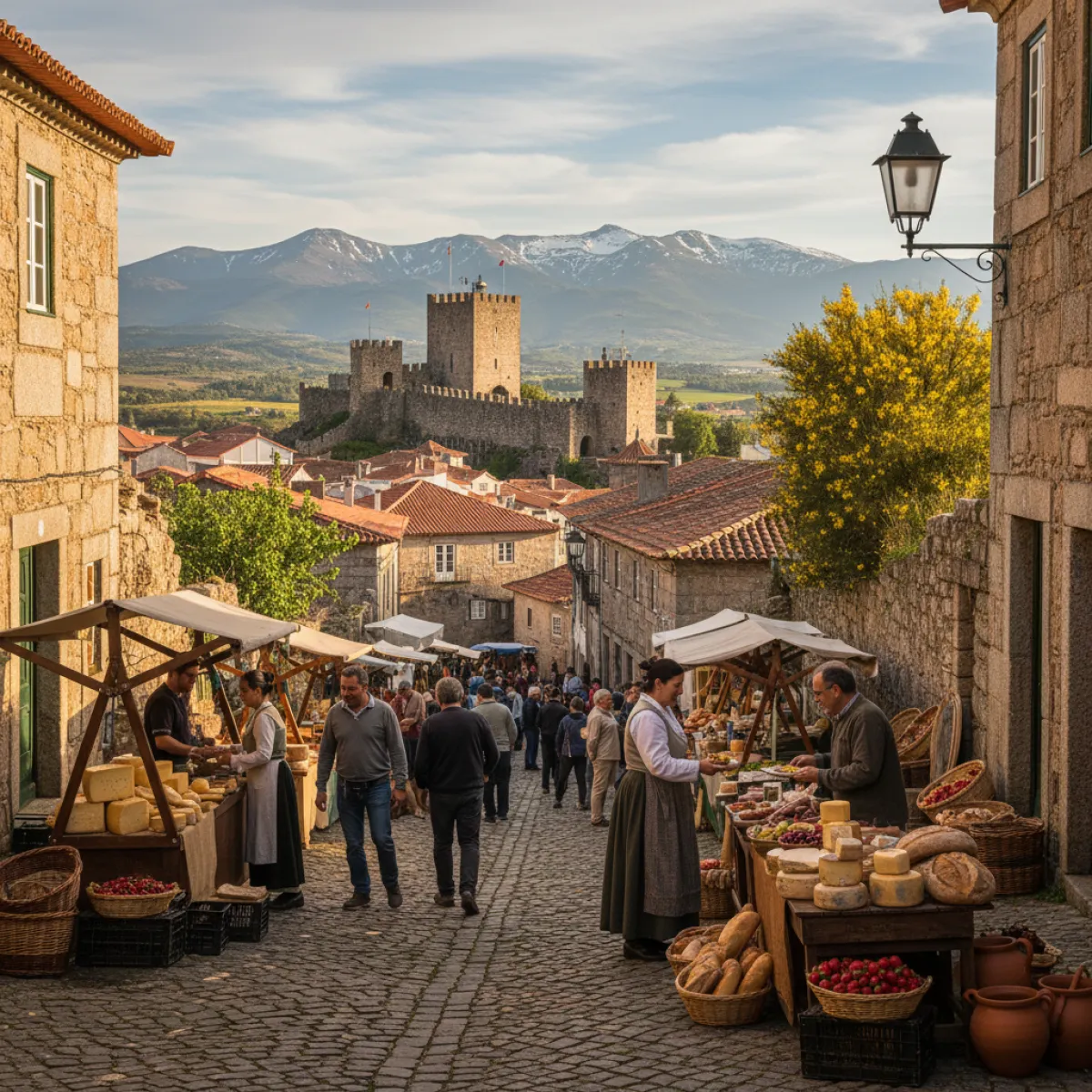
May in Guarda is the month when the highlands finally thaw out, but only halfway. Mornings at Portugal's highest city still have bite, yet by noon you're eating outside with your sleeves rolled up. This in-between season is exactly when Beira Interior cooking shines: the last traces of winter smoke overlap with the first wave of spring produce. Miss this, and you miss the point of eating here.
Roast kid: May's signature dish
If there's one plate that defines Guarda in May, it's cabrito assado, roast kid goat, slow-cooked in a wood-fired oven. This isn't fancy restaurant food. It's family Sunday food, checkered-tablecloth food, passed-down-through-generations food.
The kids are raised on serra pastures, and by May the fresh spring grass gives the meat a flavour that's clean and bright, without the gaminess you get later in the year. The traditional preparation is almost aggressively simple: garlic, bay leaf, olive oil, white wine, potatoes roasting alongside. No elaborate sauces, no modernist techniques. The wood oven does the work.
Pair it with a Beira Interior red. The region's wines are criminally underrated, altitude reds made from grapes like Rufete and Marufo have an acidity and freshness that cuts through the kid's richness better than almost anything from the Douro. Ask the restaurant owner for a recommendation. If they can't give you one, find another restaurant.
Serra da Estrela cheese: still good, with caveats
Let's be upfront: peak season for Serra da Estrela DOP cheese is December to April. But May still delivers excellent specimens, especially the amanteigado (soft, almost flowing) style, which by now has cured long enough to develop character without aggression. The key is buying from producers or specialist cheese shops, not from the first deli counter you spot.
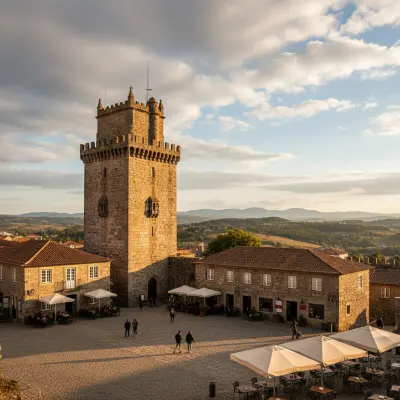
Requeijão is another story entirely. Fresh, almost sweet, served with local honey or pumpkin jam. It's the perfect breakfast before climbing the Torre de Menagem to watch the city wake up below you. Beira Interior requeijão bears no resemblance to the supermarket version sold in Lisbon, the difference is like garden tomato versus Dutch greenhouse plastic.
Fundão cherries: the spring clock
Time it right, and May is the month, and the first Fundão cherries start showing up in regional markets. Fundão is less than an hour from Guarda, and its cherries carry a protected designation for good reason: sweet, firm, with that snap between your teeth that mediocre cherries never achieve.
Look for the Burlat and Saco varieties, which ripen first. Don't buy the ones that look too perfect, the best Fundão cherries have imperfections, are slightly asymmetrical, and stain your fingers dark purple on first contact.
If your visit falls in late May, the detour to Fundão to buy directly from producers is worth it. But note: the Cherry Festival is typically in June, so don't expect a celebration, expect honest fruit at fair prices.
Cured meats: winter's final act
Guarda and the broader Beira Interior are cured meat country. By May, the enchidos (cured sausages) that spent the winter drying in oak smoke have reached peak intensity. Chouriço de carne, morcela, farinheira, all concentrated and complex after months of slow curing.
Order a tábua de enchidos (charcuterie board) as a starter, it's practically mandatory. But go beyond the obvious: Beira Interior alheira is different from the Trás-os-Montes version, less dense, with a sharper garlic edge. And butelo (stuffed stomach), when you find it, is a piece of charcuterie that rivals any Italian salumi, though no local would accept the comparison.
To understand the connection between these products and the land that produces them, spend time at the Museu da Guarda, which has sections dedicated to rural life and traditional crafts. It's not a food museum, but it gives context, and context is half the battle when appreciating what you eat.
River trout: the fish Lisbon forgot
In May, with streams still carrying snowmelt from the Serra da Estrela, local trout is at its best. Grilled with olive oil, garlic, and parsley, nothing more. It's the simplest thing you'll eat in Guarda and probably the most memorable.
River fish in general is a tradition that coastal Portugal abandoned, but the interior keeps alive. Beyond trout, look for escabeche de peixe de rio, a vinegar-and-spice preparation dating from when preservation was necessity, not aesthetic choice. In May, as warmth arrives, cold escabeche at lunch is a small revelation.
Bread and soups: the basics that aren't basic
You don't pass through Guarda without talking about bread. Beira Interior rye bread is dense, dark, with a crust that fights the knife and a crumb that demands cheese and cured meats. This is the bread that sustained generations of shepherds on the serra, and it still sustains anyone with the good sense to choose it over industrial baguettes.
From this bread come soups that are complete meals. Chestnut soup is out of season by May, but sopa de grelos (turnip greens) and sopa de beldroegas (purslane) start appearing, marking the shift to spring greens. Açorda à beirã, with poached eggs, coriander, and crumbled bread, is comforting enough for Guarda's May evenings, which still require a jacket after sunset.
Convent sweets and what the nuns left behind
Guarda's pastry tradition is less famous than Viseu's or Coimbra's, but it has its wins. Pastéis de feijão (bean pastries), bolos de azeite (olive oil cakes), and arroz-doce (rice pudding) served in clay bowls are desserts that don't need pretension. In May, if you find tigeladas, a kind of egg custard baked in clay pots, don't hesitate.
For those wanting to explore the link between traditional crafts and regional identity, the Museu de Tecelagem dos Meios isn't about food, but tells a parallel story: the same wool that kept warm the shepherds who ate this rye bread on the serra. If that feels like a detour, consider that a Cobertor de Papa weaving workshop in Maçainhas is the kind of experience that gives meaning to the meal that follows.
Practical eating plan
Three days in Guarda in May is enough to eat well without repeating yourself. A suggestion:
- Day 1: Arrive, enchidos and cheese board for lunch, afternoon walking the old town, dinner of roast kid. Climb the Torre de Menagem before sunset, the view builds appetite.
- Day 2: Breakfast of requeijão and honey, morning at the Museu da Guarda, light trout lunch. Afternoon for a walk in the Serra da Estrela from Folgosinho, dinner of soup and cured meats.
- Day 3: Morning market for cherries and cheese to take home, farewell lunch of açorda à beirã.
If you're planning a full week in central Portugal, this fits neatly into a broader itinerary through the country's heartland.
Practical notes
Restaurants in Guarda are generally affordable: a full meal with wine rarely exceeds €15-20 per person. On weekends, book ahead, the city is small and the best spots fill early. In May, lunch hours stretch a little, but dinner still starts at 7:30-8pm, don't expect Lisbon habits.
The municipal market is the best place to buy regional products at fair prices. For Serra da Estrela cheese, be suspicious of anything under €15/kg, it's probably not DOP. For cured meats, always ask if they're artisanal and, if possible, from black pig.
Guarda isn't a city you visit for gastronomy as a standalone destination, it's a city where gastronomy makes sense of everything else. The walls, the narrow streets, the granite buildings, the cold that persists in May once the sun drops. All of it converges at the table, and it's at the table that Guarda explains itself better than any guidebook can.