Stone and Memory: An Exploration of the Museu da Guarda
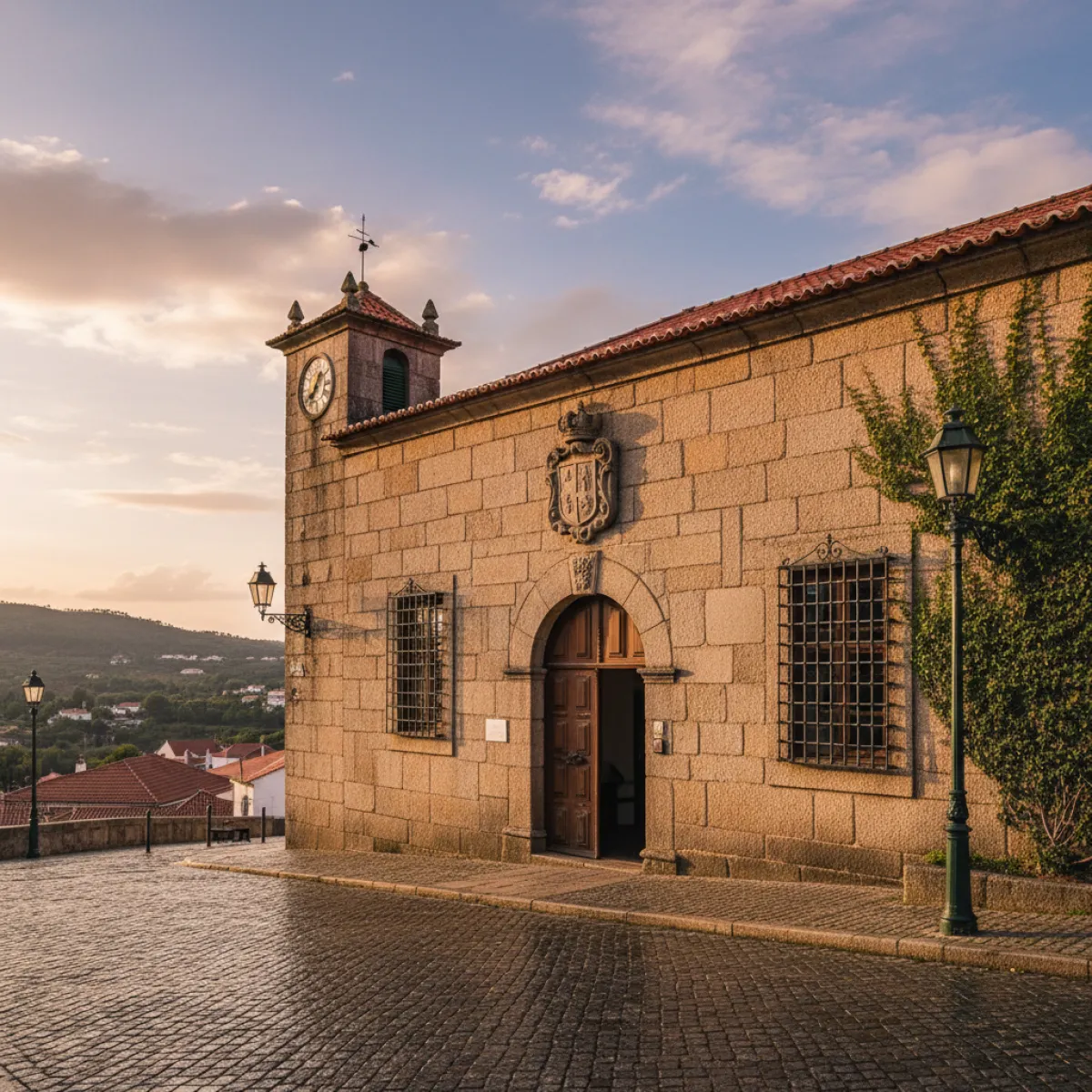
Perched at the highest point of Portugal, where the sharp air of the Serra da Estrela shapes both the landscape and the character of its people, the Museu da Guarda stands as a definitive repository of regional identity. Housed in the former Bishop's Palace (Paço Episcopal), a grand structure dating back to the 17th century, the museum is far more than a collection of artifacts. It is a sophisticated dialogue between the austere granite of the Beira region and the refined artistic expressions that have defined this borderland for millennia.
Entering the museum through its imposing portal on Rua General Alves Roçadas, one is immediately struck by a sense of monastic calm. The building itself is as much a part of the exhibition as the objects it contains. Its transition from a residence of ecclesiastical power to a public cultural space has preserved an architectural gem, where interior courtyards and deep-set windows offer framed glimpses of the surrounding city that feel almost like Renaissance paintings.
Archaeological Foundations: From Prehistory to the Roman Empire
The museum’s narrative begins deep in the past, long before the city’s official charter in the 12th century. The archaeology galleries display an impressive array of prehistoric and proto-historic finds, revealing the resilience of the early communities that settled these high plateaus. Polished stone axes, ritual ceramics, and bronze tools testify to an enduring human presence in the face of a challenging climate.
The Roman section is particularly compelling. A significant collection of Latin epigraphy, including votive altars and milestones, documents the integration of this territory into the administrative fabric of Lusitania. Each inscription carved into the local granite serves as a permanent record of the languages, beliefs, and logistical prowess of a bygone empire. To truly appreciate how these ancient layers inform the present, one must look at the way the museum anchors the northern edge of the historic center.
Sacred Art: Devotion and Craftsmanship
Given its origins as a Bishop’s Palace, the museum boasts an exceptional collection of Sacred Art. Spanning from the 14th to the 19th centuries, the exhibits include painting, sculpture, and liturgical goldsmithing. Of particular note are the polychrome wooden statues and limestone carvings that illustrate the transition from the sober lines of the Gothic period to the dramatic flair of the Baroque.
These pieces are not merely religious relics; they are cultural markers of an era when the Church was the primary patron of the arts in the Beiras. The contemplation of this spiritual heritage is deepened when one considers the complex social fabric of the city, particularly the proximity to the historic Jewish quarter. The interplay between different faiths and cultures is a central theme in our guide The Jewish Legacy of the Highest City: A Walk Through Guarda's Judiaria.
From Traditional Aesthetics to Contemporary Visions
The Museu da Guarda does not dwell solely in the distant past. One of its most refreshing qualities is the integration of 19th and 20th-century paintings alongside rotating contemporary exhibitions. These modern works often challenge the perceived rigidity of the granite surroundings, providing a vibrant contrast to the permanent historical collections. The regional painting galleries capture the unique light and the rugged faces of the Beira people with a sensitivity that offers deep insight into the local soul.
This commitment to contemporary relevance is also evident in how the museum engages with the urban space. By hosting avant-garde installations that dialogue with ancient artifacts, the museum creates a visual palimpsest, forcing visitors to reflect on the continuity of human creativity across different eras.
The Urban Fabric and Sephardic Heritage
The museum’s location, just steps away from the monumental Cathedral (Sé), makes it the perfect starting point for a deeper exploration of Guarda’s granite-paved labyrinth. This is a city of eloquent silences, where a simple doorframe might reveal a symbol carved centuries ago by a family in hiding. Walking from the museum toward the old city gates, the historical importance of the Sephardic community in maintaining the region’s commercial and cultural life becomes evident, a narrative we explore in Granite and Grace: The Sephardic Heritage of Guarda's Old Town.
Practical Guidance for the Discerning Visitor
To experience the museum at its best, aim for a morning visit. The natural light filtering through the courtyards of the old Palace creates a dramatic interplay of shadows on the stone walls. While the museum itself is well-maintained and accessible, the surrounding streets are steep and paved with traditional granite cobbles, so sturdy, comfortable footwear is essential.
- Getting There: The museum is in the heart of the historic district. If arriving by car, it is best to use the underground parking at Praça Velha or the lots near the City Hall, as Rua General Alves Roçadas is largely restricted to local traffic.
- What to Expect: A well-curated journey with informative signage. Expect to spend approximately two hours to fully appreciate the collections.
- Tips: The museum website offers updated information on temporary exhibitions, which are often worth scheduling your visit around. While the interior is climate-controlled, the courtyards can be chilly in winter, so keep your layers close at hand.
- Photography: Photography is generally allowed without flash, but always check for specific signs in the temporary galleries.
A visit to the Museu da Guarda is, ultimately, an exercise in slow observation. It is not an attraction to be rushed through, but a place to peel back the layers of time that form the backbone of inland Portugal. Between the hardness of the rock and the delicacy of the artist’s hand, one finds a city that has always remained at the intersection of history and culture, regardless of its altitude.