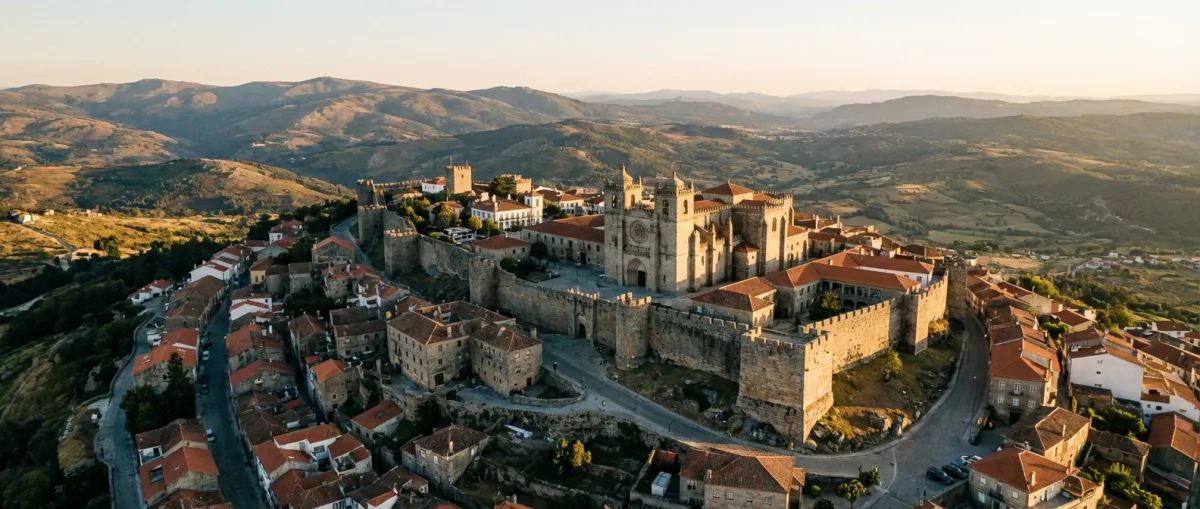
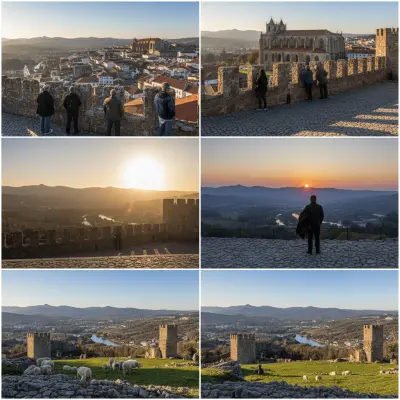
Guarda sits at 1,056 metres above sea level, the highest city in Portugal. From here you can see the Serra da Estrela on one side and Spain on the other. It's a granite city, properly cold in winter, where the wind cuts through narrow medieval streets that seem designed to shelter anyone walking through them. It's not an obvious destination, and that's exactly why it's worth your time.
A cathedral 150 years in the making
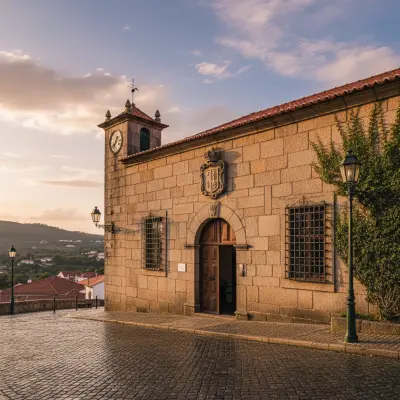
The Sé da Guarda dominates the old town with its fortress-like silhouette. Construction began in Gothic style in 1390 and finished in Manueline fashion in 1540, the altarpiece carved in Ançã stone by João de Ruão is reason enough to visit. Around the cathedral, streets slope downhill past granite houses with ogival windows and gargoyles on the eaves. None of this was staged for visitors: it's simply a city that never tore down its past.
The Jewish Quarter and what remains
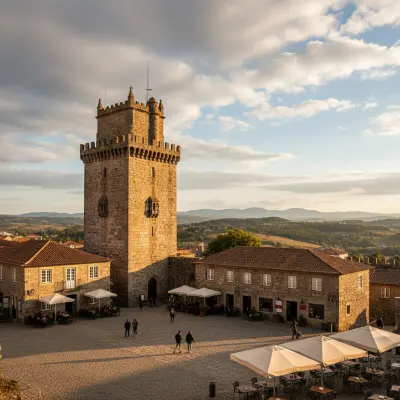
Between Porta d'El Rei and Porta da Erva, two medieval gates still standing, lies the old Judiaria, a labyrinth of narrow lanes where roughly 850 people lived before the Inquisition. On some doorframes you can still see crosses carved into the stone, forced marks of conversion to Christianity. It's a harsh story, told through architectural details, and our guides on Guarda's Sephardic heritage go deeper into the subject.
Eating well at a thousand metres
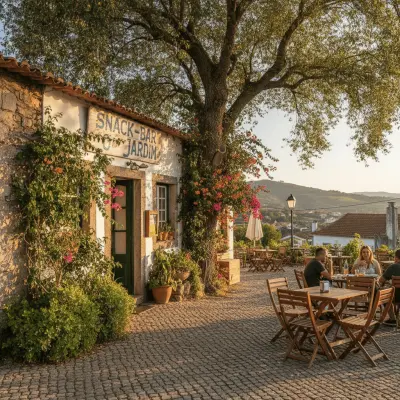
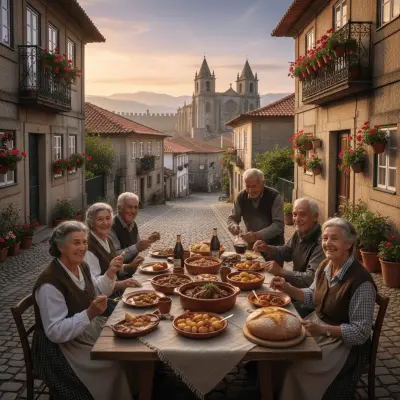
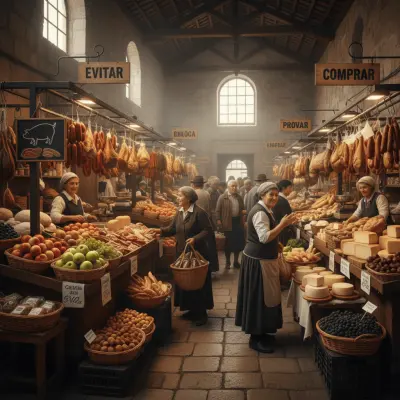
Guarda's food is mountain cooking: hearty, no pretence. Bucho, a traditional sausage made with pork stuffed into a pig's bladder or stomach, is a Carnival specialty you'll find year-round in local restaurants. Queijo Serra da Estrela, cured with cardoon flower, arrives here fresher and cheaper than in Lisbon. And bacalhau appears on every menu, prepared differently from one tasca to the next. In 2023, Guarda was named Portugal's Gastronomy Destination of the year, deserved recognition for a cuisine that never needed a PR campaign.
When to go and how long to stay
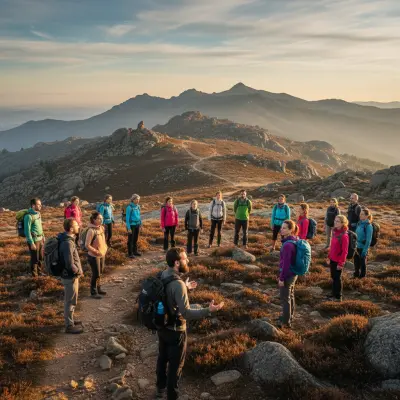
One full day covers the historic centre, the cathedral, the Jewish quarter, and the museums. Two days if you want to use Guarda as a base for the Serra da Estrela. Skip deep winter unless you enjoy sub-zero temperatures. Spring and early autumn are ideal: clear skies, crisp air, and the city mostly to yourself.