The Rhythmic Pulse of the Serra da Estrela
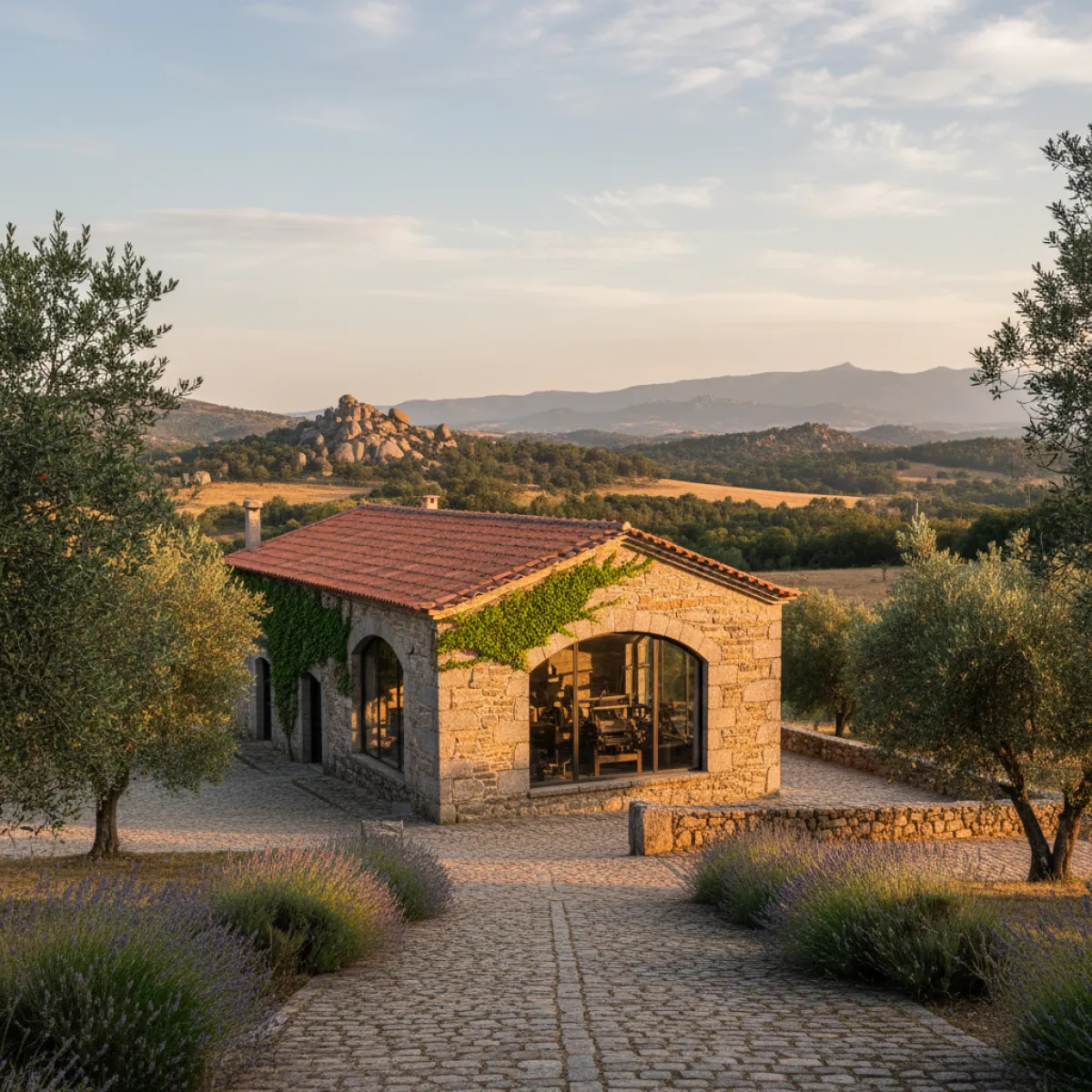
High on the granite slopes of the Serra da Estrela, where the air is thin and the wind carries the scent of wild gorse, lies the village of Meios. It is a place where the landscape dictates the pace of life, and where a specific craft has defined the identity of its inhabitants for centuries. At the heart of this small community, the Museu de Tecelagem dos Meios (Meios Weaving Museum) stands as a sanctuary for one of Portugal’s most distinctive textile traditions: the Mantas de Papa.
This is not a museum in the conventional sense of silent corridors and static displays. It is a living workshop, a place where the rhythmic clatter of wooden looms provides a constant soundtrack to daily life. Here, the ancestral process of transforming raw wool into heavy, shaggy blankets is still practiced with the same meticulous attention to detail that has been used for generations. The museum offers a rare opportunity to witness a craft that has largely disappeared from the modern world, preserved here by the dedication of local weavers and the support of the Guarda municipality.
The Anatomy of a Manta de Papa
The Manta de Papa is a textile of singular character. Created from the wool of the Churra sheep, a breed native to the region known for its long, coarse fleece, these blankets are designed for utility and endurance. The process begins with the raw wool, which must be washed, carded, and spun into thick yarn. Visitors can watch as the weavers operate the large handlooms, a task requiring significant physical strength and a deep understanding of the material’s tension.
The defining characteristic of these blankets, however, is the "papa", the long, brushed nap that gives them their name and their extraordinary warmth. This is achieved through the use of a "pisão," a water-powered fulling mill. The woven fabric is beaten by heavy wooden mallets in hot water, a process that shrinks and felts the wool, making it almost waterproof and incredibly insulating. It is a piece of mountain engineering, refined over centuries to provide protection against the brutal winters of the highest city in Portugal.
Connecting the Threads: From Meios to Guarda
To visit Meios is to understand a vital piece of the cultural puzzle of the Beira Interior. The village is intimately connected to the city of Guarda, located just a short, scenic drive away. For those interested in how these rural traditions intersected with urban life, a visit to the museum is best complemented by the Jewish legacy of the highest city, where the textile trade was once a cornerstone of the local economy.
The history of weaving in this region is inextricably linked to the Sephardic communities that flourished in the Guarda’s narrow streets. Exploring the Sephardic heritage of Guarda’s old town reveals a city built on commerce and craftsmanship, where the wool from villages like Meios was traded and exported. The stark beauty of the granite architecture in the city mirrors the rugged honesty of the blankets produced in the mountains, creating a cohesive aesthetic that defines the region.
Practicalities for the Discerning Traveler
Reaching the Museu de Tecelagem dos Meios requires a journey through winding mountain roads that offer breathtaking vistas. The museum is housed in the village’s former primary school on Rua Direita. Given its nature as a working production site, it is highly recommended to call ahead at +351 271 591 046 to ensure a weaver is on-site to demonstrate the looms. The entry fee is minimal (€), as the primary goal of the space is cultural preservation rather than commercial gain.
When visiting, consider "ordering" a piece of history. While some smaller items may be available for immediate purchase, the full-sized Mantas de Papa are often made to order or kept in limited stock due to the labor-intensive nature of their creation. These blankets are an investment in quality and heritage; they are pieces intended to be passed down through generations. Please note that credit card facilities are not available in the village, so carrying cash is essential.
The best time to visit is during the cooler months when the warmth of the museum and the texture of the wool feel most relevant, though the spring landscape of the Serra da Estrela is equally compelling. Dress in layers, as the mountain weather is notoriously unpredictable. There is no formal dress code, but sturdy walking shoes are helpful for navigating the village’s sloped streets. Expect a visit that is quiet, profound, and deeply human, a chance to touch the fibers of a tradition that refuses to be forgotten.