Vila Viçosa: Five Day Trips Worth Extending Your Stay
Vila Viçosa is the perfect base for exploring central Alentejo. From Borba 10 minutes away to Portalegre an hour north, these five day trips cover marble quarries, centuries-old markets, UNESCO fortresses, and the region's most underrated mountain range.
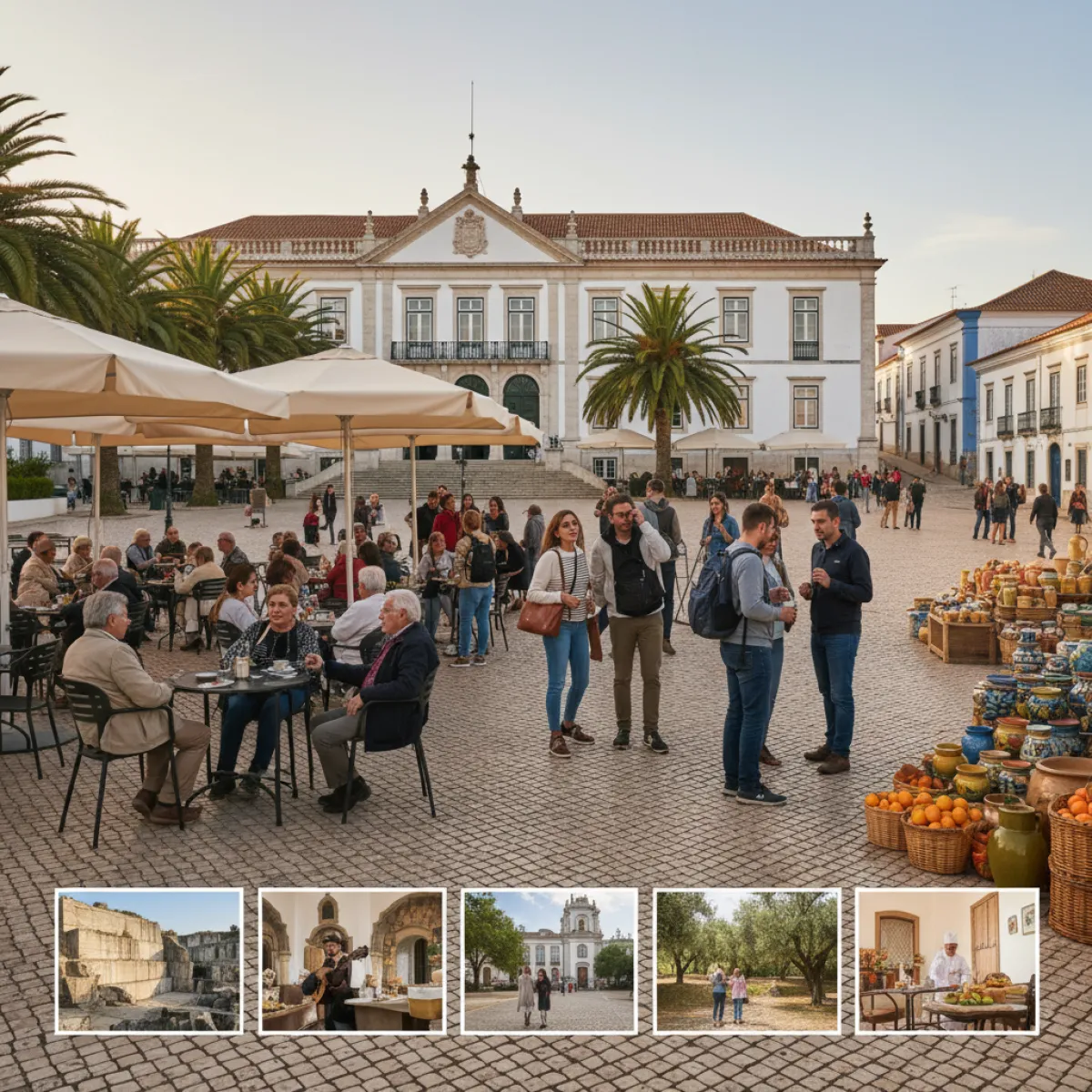
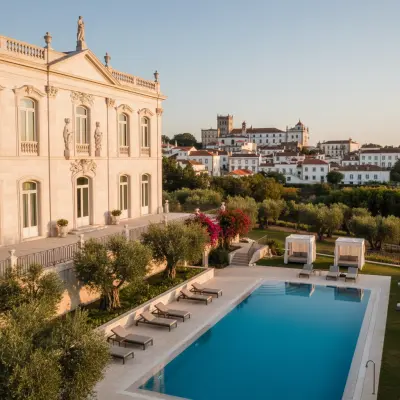
Here's the thing about Vila Viçosa: most people get it wrong. They drive in, tour the Ducal Palace, eat lunch in the square, and head to Évora. What they miss is that this marble-clad town in central Alentejo is one of the best bases in southern Portugal for day trips. Stay three or four nights, maybe at the Alentejo Marmòris Hotel & Spa, and every morning opens up a different destination, each one worth a full day.
These are five day trips from Vila Viçosa, ordered from nearest to farthest, with honest advice on how to get there and what to do once you arrive.
Borba: wine country, 10 minutes away
Borba is roughly 8 km from Vila Viçosa. By car, that's 10 minutes on the N255. It's so close it barely qualifies as a day trip, but most people blow through it on their way to Estremoz without stopping. That's a mistake.
Borba is a marble-and-wine town, and the wine is what sets it apart. The Adega Cooperativa de Borba is one of the largest cooperatives in southern Portugal, and the DOC Borba reds, heavy on Aragonez and Trincadeira, are honest, full-bodied, and cheap. You can visit the cooperative for tastings, though you should check locally for current hours. Buy a few bottles. Prices here are a fraction of what you'd pay in Lisbon.
Walk through the centre and notice the marble everywhere: door frames, window sills, fountains, church facades. Between Borba and Vila Viçosa, you'll pass massive white marble quarries cut into the hillsides. The contrast between the white stone and the brown Alentejo earth is almost surreal. If this interests you, the Marble Route of the Estremoz Anticline connects Vila Viçosa, Borba, Estremoz, and Sousel in a circuit dedicated to marble extraction heritage.
Estremoz: the tower, the market, and the clay figurines
Estremoz is about 20 km away, a 20-minute drive on the N4. If you can choose your day, go on Saturday. The Saturday market in the Rossio square is one of the biggest and oldest in Portugal. It's not a tourist market. It's for people buying sheep's cheese from local farmers, cured sausages, herbs, vegetables, and handmade ceramics. Arrive before 10am, when the farmers are still setting up and the Rossio café is pouring the first espressos.
After the market, climb to the upper town. The Torre das Três Coroas, 28 metres tall and built entirely of marble, is one of the finest castle keeps in the country. The view from the top stretches across the Alentejo plain until it dissolves into heat haze. If you like artisan crafts, look for the Bonecos de Estremoz: hand-painted clay figurines recognised as UNESCO Intangible Cultural Heritage. Don't buy them from generic souvenir shops. Seek out the local artisans who work from small studios in the historic quarter.
For lunch, order ensopado de borrego (lamb stew) or açorda alentejana (a bread-based dish with garlic, coriander, and olive oil). These are the dishes that define this area. Don't expect elaborate menus. The cooking here runs on bread, olive oil, garlic, coriander, and whatever the land provides.
Without a car, Rodoviária do Alentejo runs buses from Vila Viçosa to Estremoz, but schedules are limited and impractical for a same-day return. A car is nearly essential.
Elvas: the fortress most Portuguese people have never visited
Elvas might be the most impressive day trip on this list, and it's only 40 km from Vila Viçosa, about 35 minutes by car. Since 2012, its fortifications have been a UNESCO World Heritage Site: the largest bulwarked dry-ditch fortification system in the world. If that doesn't mean much to you yet, wait until you see it.
Start with the Amoreira Aqueduct, which you'll spot before you even reach the city. It stretches 8.3 km, counts 843 arches, and reaches 31 metres at its tallest point. Built between the late 15th century and 1620, it remains one of the most impressive hydraulic engineering works on the Iberian Peninsula.
In the historic centre, Praça da República is your starting point. Arcaded buildings, café terraces, and the former cathedral, now the Church of Nossa Senhora da Assunção, with remarkable azulejo tiles inside. But the real spectacle is the fortifications. The Forte de Santa Luzia and the Forte da Graça are two of the finest examples of military architecture in Europe. Visit at least one. Forte da Graça was recently restored and is particularly striking.
For food, this is the land of sericaia com ameixas de Elvas: a baked egg custard with cinnamon, served with the famous Elvas greengage plums in syrup. It's sweet, it's heavy, and it's exactly what you should eat after climbing fortification walls all morning. For a main course, go for migas com entrecosto (sautéed breadcrumbs with garlic and spareribs) or carne de porco à alentejana (pork with clams).
Rede Expressos runs buses from Estremoz to Elvas, but a direct connection from Vila Viçosa is complicated. Once again: car.
Serra d'Ossa: the Alentejo that isn't flat
When people think of the Alentejo, they think of plains. Serra d'Ossa breaks that image. Peaking at 650 metres, it's the main elevation in the central Alentejo, and it's less than 30 minutes from Vila Viçosa.
The Passadiços da Serra d'Ossa, opened in 2021 in Aldeia da Serra (Redondo municipality), offer a 1.5 km wooden walkway route that winds through meadows, passes the ancient Monks' Garden, and climbs to a chapel at the top. It's an easy trail, suitable for families, and the 360-degree panoramic view from the summit justifies everything. On a clear day, you can see Evoramonte Castle, the plains toward Évora, and Serra de São Mamede in the distance.
For something more demanding, guided hiking in Serra d'Ossa is an excellent option. Having a local guide who knows the trails, the flora, and the monastic history of the mountain transforms a walk into something entirely different. The hermit monks who settled here in the 4th century chose well: this is one of the most beautiful and silent corners of the Alentejo.
Bring water, sunscreen, and a picnic. There are no restaurants on the mountain. Head back to Vila Viçosa for dinner.
Portalegre: the city that deserves more than an afternoon
Portalegre is the farthest trip on this list: roughly 76 km, one hour by car. But it's worth every minute. It's the capital of the Upper Alentejo, sitting at the foot of Serra de São Mamede, and it has a completely different personality from the marble towns to the south.
There's a lot of lazy writing about Portalegre that repeats the same clichés. If you want an honest guide, read our Portalegre without the tourist traps piece. The short version: Portalegre is a city of Baroque mansions, converted cork factories, and a tapestry tradition that few people know about. The Guy Fino Tapestry Museum is unique in Portugal and worth a long visit.
If you have time to walk, Portalegre's neighbourhoods on foot reveal a city living at its own pace. The cathedral area, the Corro quarter, the gardens. It's not monumental like Évora, and that's exactly why it works. It feels lived in, not staged.
And then there's the food. Where the locals actually eat in Portalegre has nothing to do with the top Google results. Portalegre has a mountain cuisine that blends Alentejo traditions with the cooler highland climate. Expect lamb, game, São Mamede cheese, and conventual pastries.
If Portalegre hooks you (and it will), consider staying two days. Serra de São Mamede, peaking at 1,025 metres, has trails for all levels, and the villages of Marvão and Castelo de Vide are less than 30 minutes away.
Practical notes for all five trips
A car is essential. Public transport in the interior Alentejo exists, but with sparse schedules and little flexibility. If you didn't bring a car, rent one in Évora and drive to Vila Viçosa. Some rental companies will deliver to your hotel.
Roads are good with almost no traffic. The N4 connects Vila Viçosa to Estremoz, and from there you can easily access the A6 motorway toward Elvas or Évora. For Borba, the N255 is direct. For Serra d'Ossa, head toward Redondo and follow signs to Aldeia da Serra. For Portalegre, the fastest route is via the A6 and then the IP2 north.
Fuel note: petrol stations in small towns sometimes close at lunch or on weekends. Fill up in Vila Viçosa or Estremoz before setting off.
Avoid the Alentejo in high summer for these trips. July and August regularly break 40°C, and hiking in Serra d'Ossa or climbing ramparts in Elvas becomes a survival exercise. The best months are April, May, September, and October. Spring brings wildflowers across the plains; autumn brings the grape harvest in Borba and perfect temperatures.
One final note: these five trips are just the beginning. Monsaraz, Reguengos de Monsaraz, Evoramonte, Alandroal, they're all within an hour. Vila Viçosa isn't just a pretty town with a palace. It's the centre of an entire region that most travellers drive through far too quickly.