Five Day Trips from Vila Viçosa Worth the Drive
From Borba to Monsaraz, Estremoz to Elvas: five day trips from Vila Viçosa that show the best of inland Alentejo. With transport tips, markets and wine.
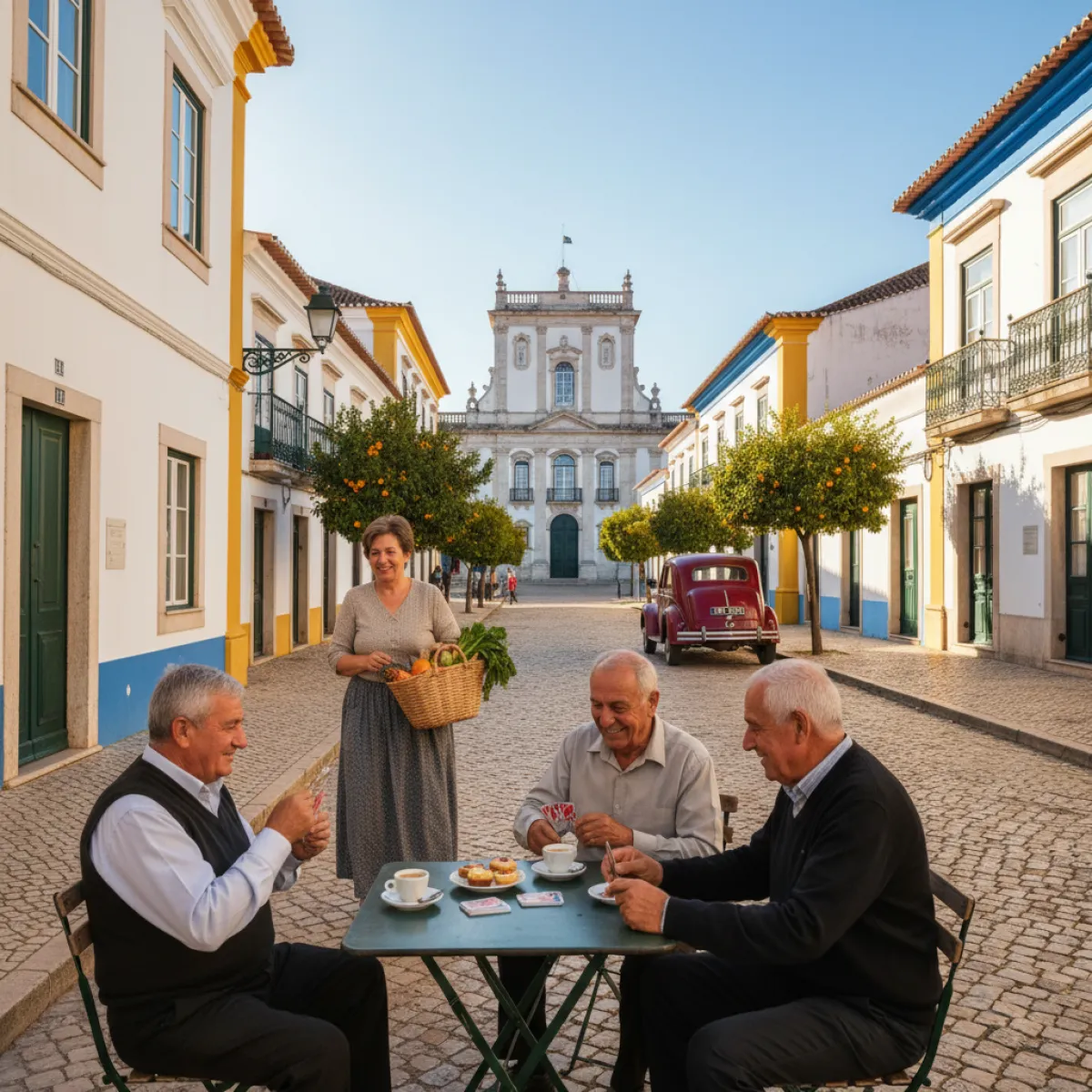
Vila Viçosa has the Ducal Palace, the pink marble, the orange trees in the square. It's a fine base. But after two days, the temptation to sit in the Terreiro do Paço drinking coffee can turn into Alentejo inertia. And the Alentejo surrounding Vila Viçosa is too good to waste.
Here are five day trips, all doable by car and some by Rodoviária do Alentejo bus. None is more than an hour away. All worth the petrol.
Borba: the neighbour with the best wine cellar
Borba is six kilometres away. Literally next door. And yet plenty of Vila Viçosa visitors never go, which is a mistake. Borba is one of the Alentejo's most important wine subregions, and the Adega Cooperativa de Borba is one of the largest and busiest cooperatives in southern Portugal. Tastings are affordable and unpretentious. Ask for the reserve reds and compare them with the whites from the Roupeiro grape. If you drove, leave with a case.
In the centre, the Fonte das Bicas, a monumental white marble tank and fountain commissioned by Queen Maria I in 1781, dominates the Praça da República. Look at the door frames, the window sills, the street signs: all marble. Borba doesn't make a fuss about it. The town uses marble the way other places use concrete.
If you want to add a hike to the programme, guided trails on Serra d'Ossa depart from the area between Vila Viçosa and Redondo, winding through cork oaks and holm oaks up to 650 metres. The Serra d'Ossa Walkways, opened in 2021, are 1.5 km of wooden boardwalks along a spring, passing through ancient monastic gardens. It's not mountaineering. It's a lovely walk with views across the Alentejo plain.
Getting there: N255, ten minutes by car. There are Rodoviária do Alentejo buses, but Borba is close enough to cycle.
Estremoz: Saturday market and the marble tower
If you can only do one day trip, do this one. And do it on a Saturday morning.
The weekly market in Estremoz on Rossio Marquês de Pombal is one of the best in the Alentejo. Farmers sell fruit, vegetables, olives and fresh cheeses. Cured sausages hang from awning poles like Alentejo Christmas decorations. There's an antiques and crafts section where you'll find red clay pieces, cork goods and leather at prices that haven't yet suffered tourist inflation.
After the market, climb to the citadel. The Torre das Três Coroas, the castle's keep, is 27 metres tall and built entirely of marble. Access is through the reception of the Pousada Rainha Santa Isabel, it's free and open to non-guests. From the top, the view stretches across the plain until you can make out the castle of Evoramonte on the horizon.
Stop by the Municipal Museum, which holds an interesting collection of traditional Estremoz pottery: the famous hand-painted clay figurines now recognised as UNESCO Intangible Cultural Heritage. There's a dedicated courtyard where you can watch potters working on the figures.
For lunch, keep it simple: any restaurant in the centre serving migas alentejanas or ensopado de borrego will do the job. Check locally what's fresh that day.
Getting there: 20 minutes via the N4. Line 1086 buses make the trip in 52 minutes, twice daily, Monday to Friday.
Elvas: Europe's largest fortified city
Elvas has been a UNESCO World Heritage Site since 2012, and it earns every letter of that classification. The 17th-century bulwarked walls form a star-shaped defence system that ranks among the most extensive and best-preserved fortifications in Europe. Seen from above, the military geometry is almost hypnotic.
Start with the Fort of Nossa Senhora da Graça, an 18th-century military architecture masterpiece with panoramic views. Move to the Fort of Santa Luzia, closer to the centre, which houses an engaging military museum. And don't skip the Amoreira Aqueduct: seven kilometres of arches built in the 16th century that still impress.
In the historic centre, Praça da República is the natural rest stop, with arcades, cafés and the Church of Nossa Senhora da Assunção. Elvas has a speciality you won't find in Vila Viçosa: ameixas de Elvas, candied plums that are one of the region's most emblematic products. Buy them from a local shop, not from petrol stations.
A practical note: Elvas fills a full day comfortably, but if you go in summer, start early. The ramparts offer no shade and the Alentejo sun is unforgiving.
Getting there: 45 minutes via the A6/N4. By bus, there are connections via Estremoz with Rede Expressos (single ticket around €9, check current prices). On Fridays, there's an extra bus leaving Évora at 09:00, passing through Vila Viçosa and Borba, arriving in Elvas at 10:30, with a return at 16:00.
Monsaraz: the medieval village above the lake
Monsaraz is the place everyone has seen in photographs and that still surprises in person. The medieval village perches on a rocky ridge with the enormous Alqueva lake spread out below, and the castle walls frame one of the most dramatic views in the Alentejo.
Inside the walls, the village is tiny. Two streets, essentially. But the main church, the old audience hall with its frescoes and the viewpoint by the castle justify the trip. If the sky is clear, the late afternoon light turns the lake into a golden mirror.
Monsaraz is popular, yes. In August, the streets fill up. If you can, go on a Tuesday or Wednesday outside peak season. Different experience entirely.
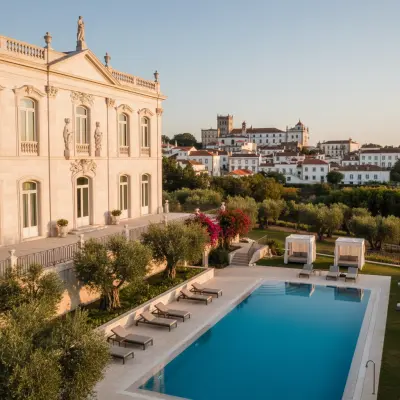
For those staying in Vila Viçosa and wanting a comfortable base for these outings, the Alentejo Marmòris Hotel & Spa is the obvious choice: a hotel set in a marble building that takes the local material seriously, with a spa included for recovering from the day's kilometres.
Getting to Monsaraz: about 45 minutes via the N256 and N255 through Reguengos de Monsaraz. Without a car, the bus connection exists but is slow (over 3 hours with a transfer). For Monsaraz, a car is practically mandatory.
Portalegre: tapestries, neighbourhoods and local food
Portalegre is further, about an hour north. But it's a different kind of town from everything else on this list. While central Alentejo runs on marble and flatland, Portalegre leans against the Serra de São Mamede, with cooler air, steeper streets and a cultural identity of its own.
The Museu da Tapeçaria de Portalegre Guy Fino is, without exaggeration, one of the best small museums in Portugal. The tapestries are made from designs by artists including Joana Vasconcelos, using thousands of different thread colours. It's textile art at a level you don't expect to find in a city of 15,000 people. Don't skip it.
After the museum, explore the old town neighbourhoods. If you want an honest walking route, our guide to Portalegre's best neighbourhoods on foot covers the ones actually worth the climb. The Cathedral, predominantly Renaissance with Baroque influences, has 16th and 17th century azulejo tiles worth taking your time over.
For food, forget whatever Google Maps suggests first. Our guide to where locals actually eat in Portalegre points you to the right spots. And if you want to turn the day trip into a weekend, our weekend guide to Portalegre gives you the full programme without tourist traps.
Getting there: one hour via the N245 and N18. The drive is scenic, especially as you approach the serra. Rede Expressos buses run the route, but schedules are limited. Check locally.
Practical tips for all five trips
Having a car is the difference between freedom and frustration in inland Alentejo. Buses exist, but schedules are thin, especially on weekends. If you rent a car, the national roads are generally good and nearly empty.
Bring water. Always. The Alentejo between May and September is merciless to anyone who forgets a bottle.
Eat lunch early. Local restaurants serve between 12:00 and 14:30. After that, good luck. This is the Alentejo, not Barcelona.
One last note: these five trips can be done on separate days or combined. Borba and Estremoz fit easily into the same day. Elvas works well alone. So does Monsaraz. Portalegre wants a full day, maybe two if you follow our guides. The order is yours. The Alentejo isn't in a hurry.