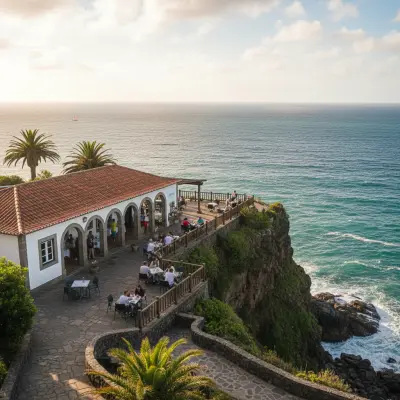
Vila do Porto: The Side of the Island Nobody Looks For
Everyone heads straight for São Lourenço. Meanwhile, Vila do Porto holds fossils 10 million years old, a surreal red desert, and the oldest settlement in the Azores. The most forgotten island in the archipelago is, for that very reason, the most interesting.
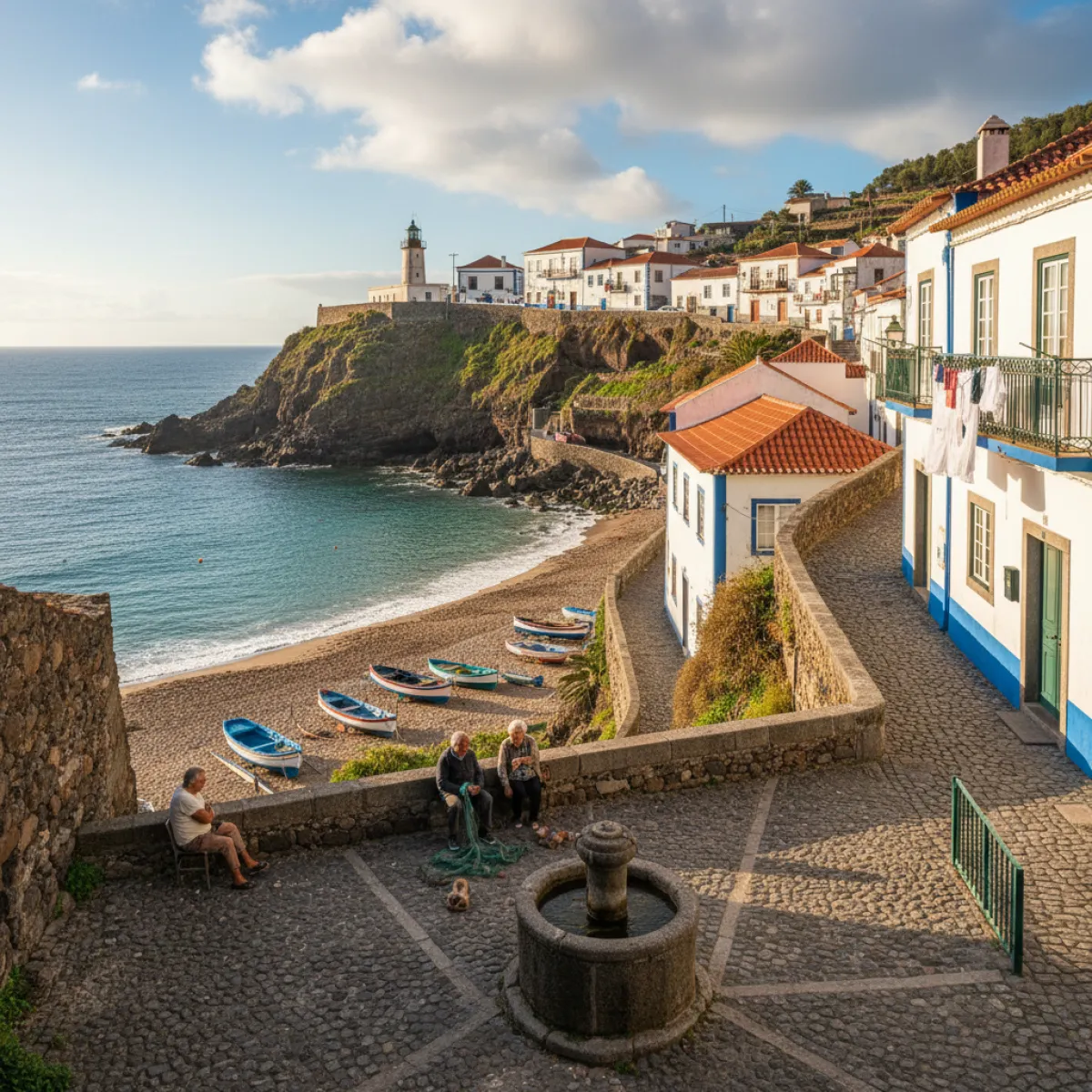
Everyone who flies into Santa Maria heads straight for São Lourenço. Understandable. The bay is spectacular, the photos fill Instagram feeds, and the white sand under dramatic cliffs earns its nickname as the "Algarve of the Azores". But when an entire charter flight dumps passengers at the same postcard view, something gets lost. And what gets lost on Santa Maria is nearly everything else.
Vila do Porto is the oldest capital in the Azores. Not in a vague "it has history" sense. In the literal sense: Gonçalo Velho Cabral founded the first settlement in the entire archipelago here in 1432, before anyone set foot on São Miguel or Terceira. The Igreja de Nossa Senhora da Assunção, halfway up the hill from the centre, is one of the oldest churches in all of the Azores. And yet most visitors pass through Vila do Porto the way they pass through an airport: it's where you pick up the rental car before driving to the beach.
Mistake. Vila do Porto deserves at least a full morning, ideally before ten, when the streets still smell of fresh bread and the cafés have half a dozen locals drinking espresso at the counter.
A capital of 1,900 people and a 17th-century fortress
Vila do Porto operates at a scale that makes everything walkable. The main road runs straight down to the port, and the Forte de São Brás, built in the 17th century to defend the island from corsairs, sits a few minutes on foot from the centre. Don't expect a grand castle. It's a modest structure, as befits an island that never had imperial ambitions, but the view over the harbour and the Atlantic makes up for it.
The marina is small and functional. In summer, transatlantic sailing boats stop here. If you're lucky, you'll catch a sailor or two in the café trading stories of ocean crossings. That's the rhythm of Vila do Porto: slow, unhurried, and genuinely uninterested in impressing anyone.
The red desert and fossils 10 million years old
Most travel guides mention Barreiro da Faneca as a curiosity. In practice, it's one of the strangest landscapes you'll find anywhere in Portugal. They call it the "Red Desert of the Azores", and the name doesn't exaggerate: a stretch of red clay earth, bare of vegetation, that looks transplanted from southern Morocco to the middle of the Atlantic. There's a walking trail along its edge with information panels explaining the geology. Bring water and sunscreen. There's no shade.
Even more surprising is Pedreira do Campo, about one kilometre east of Vila do Porto. It's an abandoned quarry, once used to extract basalt, that turned out to be a paleontological treasure of international importance. Its sedimentary rocks contain marine fossils millions of years old: shark teeth, shells, sea urchins, even cetacean bones. Santa Maria rose from the ocean floor roughly 10 million years ago, and Pedreira do Campo is the petrified proof. The Dalberto Pombo Environmental Interpretation Centre in Vila do Porto puts it all in context with fossil collections and biodiversity exhibits.
If you like geology, this alone justifies the trip. If you don't, be prepared to change your mind.
The view worth the detour
Everyone talks about the São Lourenço viewpoints, and rightly so. But Miradouro da Macela offers something different: a panorama over the island's interior and the ocean that, on clear days, extends as far as the eye can reach. It's the kind of place where you fall quiet, not out of some spiritual obligation, but because there's genuinely nothing to say. The wind does the rest.
Arrive early in the morning, before any organised groups. Late afternoon light is also excellent for photography, but you'll have more company.
Walking Santa Maria properly
Santa Maria has a trail network that rivals any other Azorean island, but with a fraction of the hikers. The issue is that signage isn't always brilliant, and some routes require a minimum of planning.
The best way to explore the trails without logistical headaches is through the Santa Maria trails and beaches experience with SMATUR, which combines hikes along the island's most interesting routes with beach stops along the way. It's the kind of day that actually sticks in your memory instead of blurring into every other beach afternoon.
If you prefer to walk independently, the São Lourenço trail is the most popular, but consider the route between Barreiro da Faneca and the north coast. Fewer people, more varied landscape, and the feeling of having the entire island to yourself.
What to eat (and drink) on Santa Maria
Santa Maria's food is Azorean at its core, with local twists. Start with the obvious: limpets grilled with garlic butter and barnacles, if you find them fresh. Fish soup is excellent across the island. The caldeirada de peixe, more substantial, is a long-lunch kind of dish, ideally eaten with an ocean view.
Santa Maria's alheira deserves a mention. It's not quite the same as the Trás-os-Montes version. Here it's typically served with chips and a fried egg on top, a no-nonsense plate you'll find at any local restaurant.
For sweets, suspiros are essential: light, airy, and sweet. Cavacas, crunchy and glazed with sugar syrup, make perfect hiking snacks. And biscoitos de orelha, triangular and understated, are what locals eat for breakfast.
But the real curiosity test is vinho de cheiro. Made from the Isabella grape (an American variety), it has an intense aroma, lower alcohol content, and a slightly sweet taste that divides opinion. Wine purists will grimace. Ignore them. On a warm late afternoon, sitting at an outdoor table in Vila do Porto, a glass of vinho de cheiro makes complete sense.
Where to eat
O Tibério in Vila do Porto is a solid choice for comfort Azorean cooking. No big surprises, but genuine hospitality and generous portions. Mesa d'Oito is more refined, for when you want a more polished meal. For something casual, Central Pub works as a local gathering spot with bar snacks. Check hours locally, especially outside peak season, as not everything runs on a regular schedule.
The Azorean context
If Vila do Porto is your starting point, it's worth framing the visit within the broader archipelago. If you're flying via Horta, our guide to 24 hours in Horta helps you make the most of a layover. And for anyone wanting to compare island panoramas, the best views in Horta offer a useful point of reference.
If your route passes through São Miguel, take the chance to explore Ponta Delgada's food scene. The comparison between the two islands' kitchens is fascinating: São Miguel is volcanic and exuberant, Santa Maria is limestone and understated.
Practical logistics
Santa Maria has regular flights from Ponta Delgada (São Miguel) operated by SATA/Azores Airlines. The flight takes about 30 minutes. In peak season, book ahead: the planes are small and fill up fast.
Renting a car is almost mandatory. The island is small (about 97 km²), but public transport is scarce. Rental prices vary, but expect something between €30 and €50 per day in high season. Check locally for current rates.
Vila do Porto has limited accommodation. A handful of guesthouses and rural houses, but nothing on the scale of São Miguel or Terceira. Book ahead, especially in August, when the Maré de Agosto festival draws visitors from across the archipelago.
Santa Maria's climate is the warmest and driest in the Azores. The island is known as the Island of the Sun, and the nickname is earned. Still, bring a jacket for the viewpoints. The wind at the top of the island is no joke.
Who Vila do Porto is for
Vila do Porto is not for people who want nightlife, five-star resorts, or menus in English with photos of the dishes. It's for people who want to understand what the Atlantic felt like before everyone discovered the Azores. It's the oldest island, the driest, the most forgotten. And that's exactly why it works.
If you want spectacle, go to São Lourenço. If you want a place where time genuinely slows down, stay in Vila do Porto one day longer than you planned. You'll find fossils 10 million years old, a red desert that makes no sense at all, and wine that smells like summer fruit. That's enough.