Torres Vedras in July: The Cool Atlantic Escape
While Lisbon bakes at 38 degrees, the Torres Vedras coast lives under a northerly wind that rarely climbs past 26. Cool viewpoints, kayaking on the Sizandro and grilled fish forty minutes from the capital: the perfect July heat escape.
There is a moment, somewhere in the middle of July, when Lisbon stops being a city and becomes a frying pan. The tarmac gives back the heat it soaked up all morning, the terraces turn into ovens, and anyone with sense starts scanning the map for an exit. The exit is forty minutes north on the A8, and it is called Torres Vedras. It is not a postcard destination and it does not show up on the lists in the foreign guidebooks, which is precisely why it works.
The secret to Torres Vedras in high summer is geographic and stubborn: the Atlantic. While Santarem and the interior bake at 38 degrees, the West Coast lives under a constant northerly wind, the nortada, that rarely lets the thermometer climb past 26. The wind is a nuisance if you want to lie flat on a towel, true, but it is a blessing if you want to breathe. Bring a jumper for the late afternoon. In Torres Vedras, in July, that is not an exaggeration.
Start high, before the heat sets in
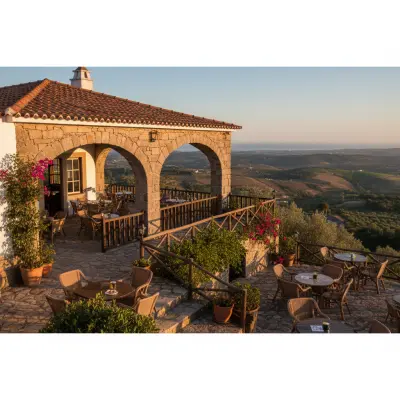
The best time to get to know Torres Vedras in July is nine in the morning, when the air is still cool and the light is low and golden. Climb up to the Miradouro do Varatojo, on the hill crowned by the old convent. From here the city spreads out across the valley and, on clear days, you can make out the line of the sea in the distance. It is a place with few tourists and plenty of locals walking their dogs, which is usually the most reliable quality indicator there is.
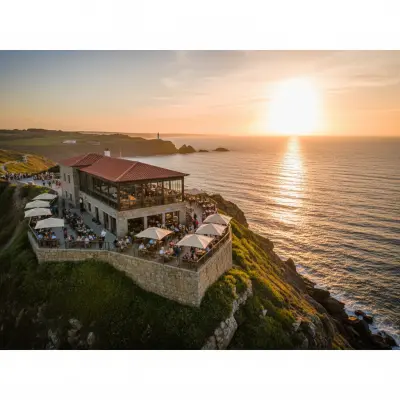
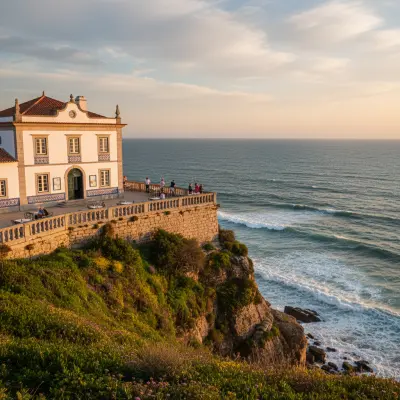
If you want your feet closer to the water, there are two viewpoints worth the detour, both already down in the coastal zone of Santa Cruz. The Miradouro da Ponta da Vigia leans out over the cliff toward a run of wild beaches, and the northerly hits it full on: a July afternoon here might be the coolest spot south of Porto. A little higher up, the Miradouro de Nossa Senhora da Boa Viagem offers the sunset everyone photographs and almost nobody mentions, because they would rather keep it for themselves. Go around 8.30pm in July, take a bottle of local wine (the Torres Vedras denomination is one of the oldest in the country and makes honest, cheap reds), and you will understand why.
The water is the whole point
If the heat is the enemy, the answer is to get wet. Torres Vedras has a long and almost entirely undeveloped coastline: Praia de Santa Cruz is the busiest and the only one with cafes and a blue flag, but walk ten minutes north or south and you find empty sand. The Atlantic here is cold, around 17 or 18 degrees in July. It is a shock for the first few seconds and a release after that.
But my suggestion for anyone who wants to beat the heat without throwing themselves into the icy surf is to swap the sea for the river. The Sizandro flows calmly through Torres Vedras, and kayaking the Sizandro River is the smartest way to spend a hot morning: fresh water, the shade of the reed banks, the gentle effort that justifies the lunch that follows. It is something almost no outsider knows about, which means you will not be sharing the river with half the world. Go early, before 11am, and bring sun cream anyway, because the water tricks you about the sun.
For those who would rather walk
Some people flee the heat by standing still and some by walking. For the second kind, the West Coast Camino runs straight through Torres Vedras, and in summer the coastal stretches are a serious alternative to the mountains. The nortada does the work of air conditioning and the landscape alternates between vineyard, eucalyptus and cliff. The trick, of course, is to walk in the morning: at eight the path is a marvel, at noon it is a penance. Carry at least two litres of water per person and plan to reach your destination before 1pm.
What to eat when the heat bites
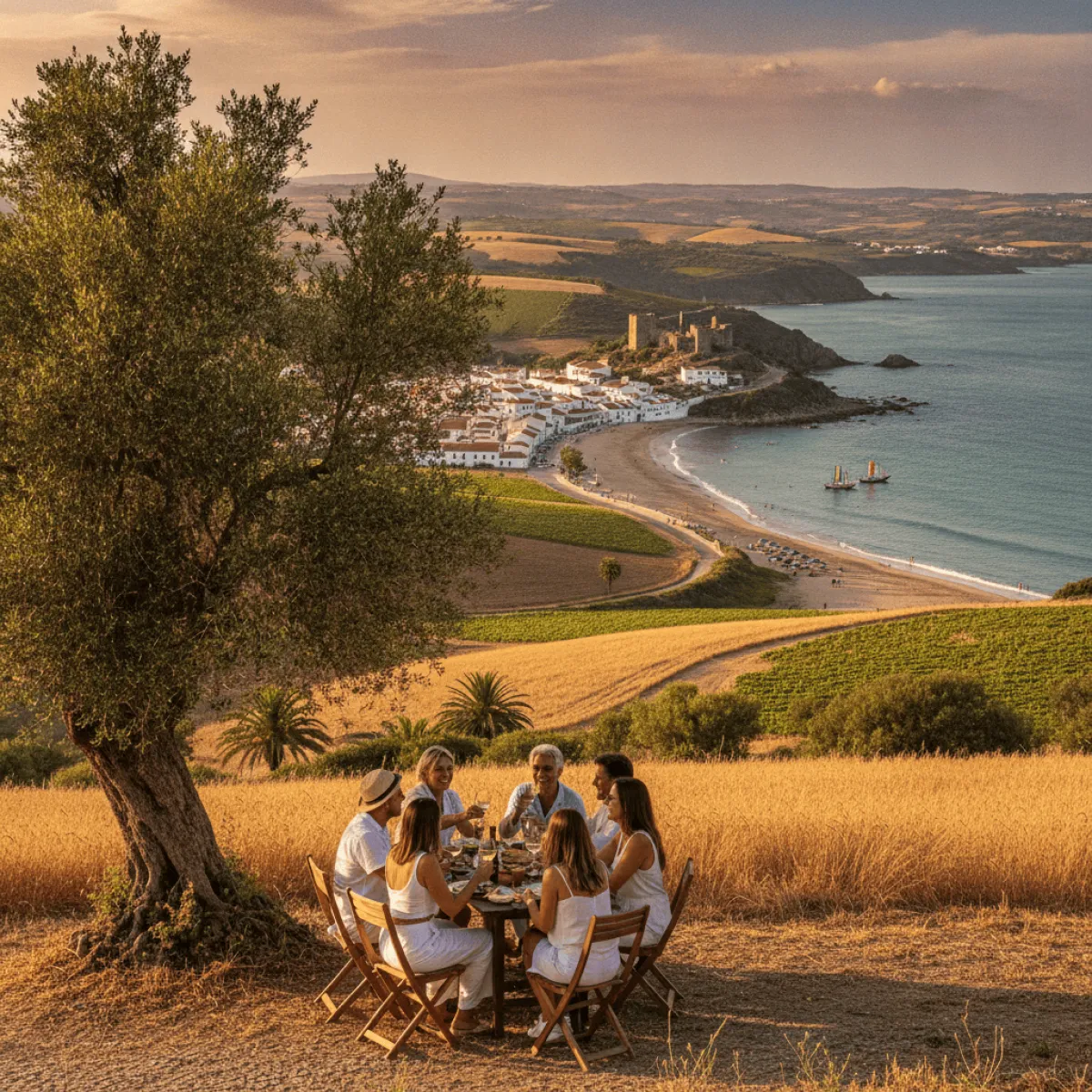
The food of the West Coast is sea and vegetable garden, and in July that is exactly what the body wants. In Santa Cruz you eat simple grilled fish: sardines when they are in season, mackerel, sea bass. Do not go looking for sophistication, go looking for a terrace with shade, a grill working away out the back, and the catch of the day chalked on a board. The right side is a proper tomato salad and boiled potato, and the right drink is well-chilled house white or a cold beer. Always check prices locally, but a fresh fish lunch by the beach tends to come in at honest figures outside the peak tourist weeks.
For the afternoon, when the heat eases and you want something sweet, it is worth remembering that the pastry tradition of this part of the country runs deep. If you are making the trip from Lisbon and want to stretch it out, there is a whole route of traditional sweets in Mafra that sits halfway and justifies a greedy stop. Portuguese convent pastry has no season, even if the name says Easter.
When the sunset is not enough: the night plan
Summer in Torres Vedras has a rhythm worth respecting. By day, you avoid the strong sun between noon and four: that is the hour for a nap, a long lunch, a coffee in the shade on the square. Life happens early in the morning and at the end of the day, when the temperature drops and the town breathes again. July nights on the coast are cool, sometimes genuinely cold with the northerly, and that is the best news of all for anyone fleeing the heat: you sleep well, window open, with no hum of an air conditioner.
If the night calls for more, Lisbon is forty minutes away and there is no shortage of life. But I will confess a preference: I would rather stay. There is something healthy about a late dinner on a Santa Cruz terrace, the salt breeze, the sound of the sea right there, and going to bed early to wake up with the tide.
How to get there and how to plan the day
By car, Torres Vedras is about 50 kilometres from Lisbon on the A8, a drive of forty to fifty minutes without traffic. The toll is modest. There are regular buses from Lisbon (Campo Grande), but to explore the coast and the viewpoints a car makes everything easier, especially since the beaches are spread out and transport between them is limited.
My ideal plan for a day escaping the heat: leave Lisbon at eight, climb the Varatojo while the air is cool, drop down to the coast for a morning of beach or kayaking on the Sizandro, eat fish in Santa Cruz around two, take the obligatory nap, and save the late afternoon for the coastal viewpoints and the sunset at Nossa Senhora da Boa Viagem. Anyone with more than a day can stretch the trip out.
Stretching the trip: neighbours worth the detour
Torres Vedras has the advantage of good neighbours. To the south, Mafra and its monumental convent. Further south still, Sintra, which in summer is a cool blessing because it sits up in the hills and the shade of the trees: if you want to work out how the town divides up and where it is worth staying, there is a solid Sintra neighbourhood guide that saves hours of confusion. And of course Lisbon, always Lisbon, with its neighbourhood culture and traditions that take on a different colour when you return to them after a few days of sea and quiet.
In the end, it comes down to this: while half of Europe throws itself at the Algarve and pays triple to sit on a crowded beach, Torres Vedras offers the Atlantic, the nortada, cheap wine and fresh fish a ridiculous distance from Lisbon. It is not a secret, it is just a place people insist on driving past. In July, that is a stroke of luck. Take advantage of it before everyone catches on.