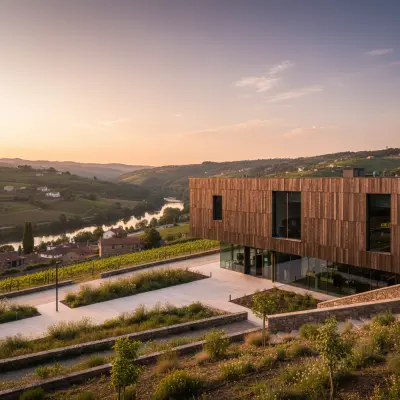
The Granite Frontier: 24 Hours in Melgaço
Explore Melgaço in 24 hours: from the granitic rigor of its castle to the unexpected sophistication of the Cinema Museum, ending with a feast of Alvarinho and borderland flavors.
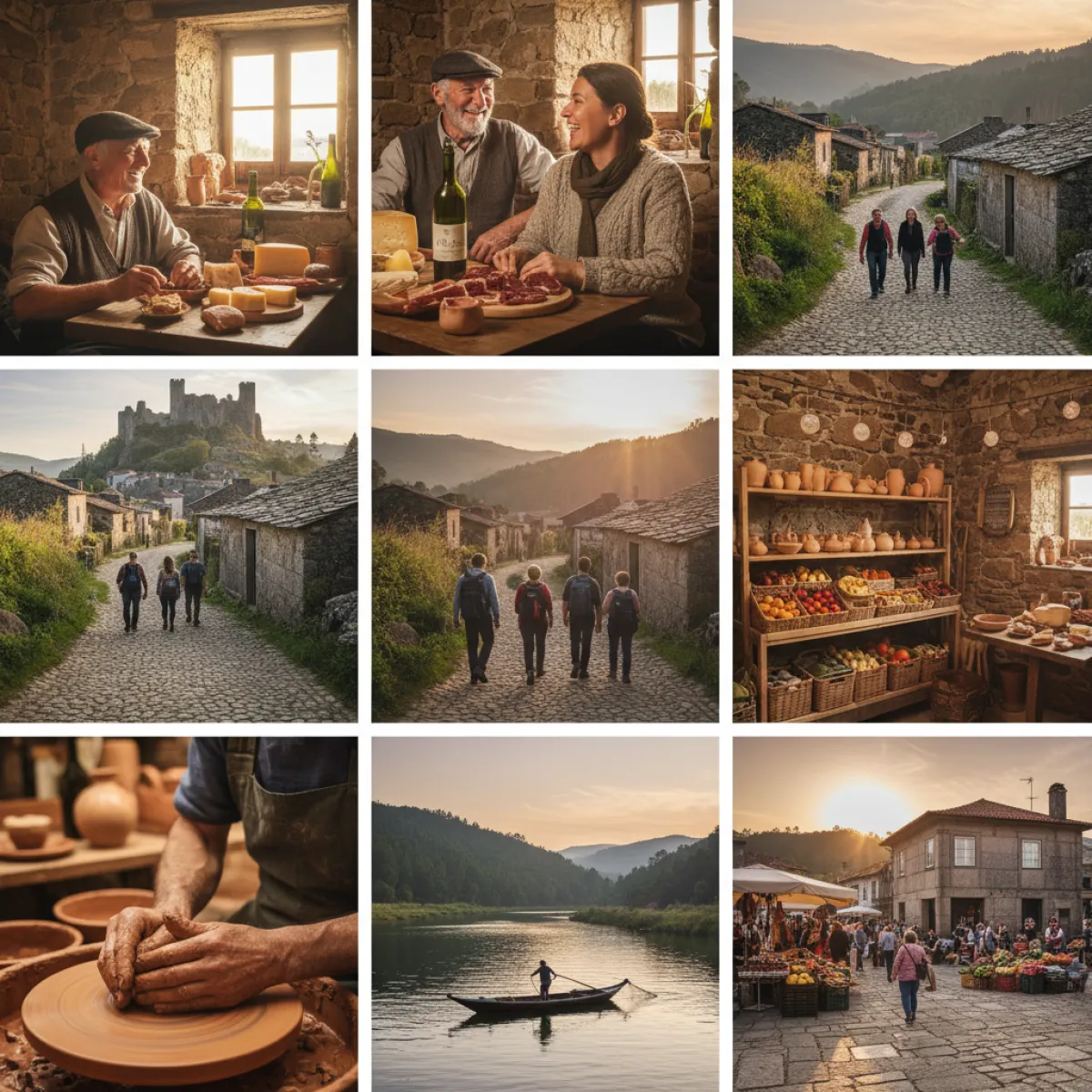
The Northern Sentinel
Arriving in Melgaço requires intent. You don't simply pass through on the way to somewhere else; Melgaço is the terminus, the final Portuguese watchtower before the Minho River dictates the transition into Galicia. It is a territory defined by the rigor of granite, the verticality of its slopes, and an identity forged in smuggling, resistance, and, more recently, the sophistication of a grape variety that finds its ultimate expression here: Alvarinho. For those seeking the soul of the Alto Minho stripped of tourist artifice, this village offers a historical and gastronomic density that rivals much larger European capitals.
09:00 – The Geometry of the Past
Start your day in the historic center. The morning light hits the walls of Melgaço Castle with a rawness that highlights its defensive function. Built by order of King Afonso Henriques, the keep is now a privileged observatory over the dense housing and the vineyards that begin to scale the surrounding hills. Walking the narrow streets surrounding the Mother Church is to understand the human scale of the Middle Ages. There is no horizontal sprawl here; everything is compact, robust, and built to last centuries. It is a radically different experience from what is described in The Slow Rhythm of Ponte de Lima: A Family Guide to Portugal’s Oldest Village, where the valley opens up and invites contemplative strolling. In Melgaço, the geography imposes a more austere and attentive posture.
11:00 – A Window into the Seventh Art
It might seem improbable to find one of Europe's most significant cinematic archives in a border village, but the Museu do Cinema de Melgaço (Jean-Loup Passek) is precisely the kind of cultural anomaly that makes this region fascinating. Jean-Loup Passek, former director of the film department at the Centre Pompidou, donated his private collection to Melgaço, transforming a former tax guard building into a sanctuary for cinephiles. The collection includes magic lanterns, rare posters, and equipment tracing the history of the moving image from its pre-cinema origins. It is a place of silence and discovery, where a collector's obsession intersects with the identity of a people accustomed to looking across the border.
13:00 – The Mountain Feast
Dining in Melgaço is an exercise in loyalty to local produce. Forget global menus. Seek out Melgaço ham (presunto), cured by the cold mountain air, and mountain kid (cabrito), roasted in a wood-fired oven with offal rice. The restaurant Adega do Sossego, in Peso, is a classic choice for those who value technical authenticity. Order the salt cod with cornbread (bacalhau com broa) or, if the season allows, the lamprey from the Minho River, a dish that requires an almost ritualistic relationship with food. To accompany, Alvarinho is mandatory. Unlike other white wines, Melgaço's Alvarinho has a structure and acidity that allow it to stand up to complex meat dishes, revealing mineral notes that seem extracted directly from the granitic soil.
15:30 – The Ascent to Castro Laboreiro
After lunch, leave the village behind and climb toward Castro Laboreiro. The landscape transforms dramatically. As altitude increases, vineyards give way to the rocky plateau, where Barrosão cattle graze freely among the 'brandas' and 'inverneiras', the transhumance system that still dictates the pace of life for some families. This isolation has preserved an aesthetic purity manifested in weaving and shepherding, much like the craftsmanship explored in The Living Craft of Minho: A Deep Dive into the Pottery of Barcelos, though here the raw material is wool and stone rather than valley clay.
18:00 – The Alvarinho Ritual
Return to the Solar do Alvarinho, housed in the historic Three Arches building. This is the ideal spot for a comparative tasting. Try producers of different scales, from large houses like Quinta de Soalheiro or Anselmo Mendes to small family viticulturists who produce only a few thousand bottles. The goal is to understand how the same variety behaves at different altitudes and sun exposures. Melgaço's Alvarinho is distinguished by its aging potential; don't be afraid to taste vintages three or four years old, where the initial freshness has given way to a complexity of dried fruits and a surprising oiliness.
20:30 – Twilight on the Frontier
Dinner should be slow. Tasquinha da Portela offers a contemporary take on traditional ingredients. If winter is present, Melgaço's atmosphere takes on a comforting melancholy, a feeling it shares with other Minho towns, as captured in The Fog and the Feast: Why Ponte de Lima is Portugal’s Most Evocative Winter Escape. The cold invites retreat, a glass of aged aguardente, and conversation about the history of those who left and those who remained in these borderlands.
- What to order: Roasted kid and Alvarinho wine from a local producer.
- When to go: May for the Alvarinho and Smoked Meats festival, or January for the raw winter landscape.
- Budget: €120 to €180 per person for a full day including boutique accommodation, gastronomic meals, and wine tastings.