The Frontier Table: A Guide to Melgaço’s Markets and Street Food
Discover the gastronomic authenticity of Melgaço through its weekly market and traditional taverns. A guide to Castro Laboreiro ham, Alvarinho wine, and the mystical lamprey on Portugal's northern frontier.
The Northern Frontier: Melgaço’s Gastronomic Character
Melgaço is not a destination for those seeking the convenience of a nearby airport or the predictable homogeneity of district capitals. Perched at the northernmost tip of Portugal, where the Minho River carves a liquid border with Spanish Galicia, this town demands persistence. Yet, for the traveler who follows their stomach, the journey is rewarded with one of the most authentic and undiluted culinary landscapes in the country. Here, food is not a performance for tourists; it is a rigorous extension of geography and history.
The identity of Melgaço is forged by two pillars: the high serras of Peneda and Gerês and the fertile banks of the Minho. This duality is reflected on the plate. While the highlands of Castro Laboreiro produce cured meats and hams aged by the freezing mountain air, the river provides lamprey, a prehistoric fish that dictates the social calendar between January and April. To understand this complexity, the mandatory starting point is the weekly market, a ritual that survives the digital age with admirable resilience.
The Friday Market: Where the Earth Manifests
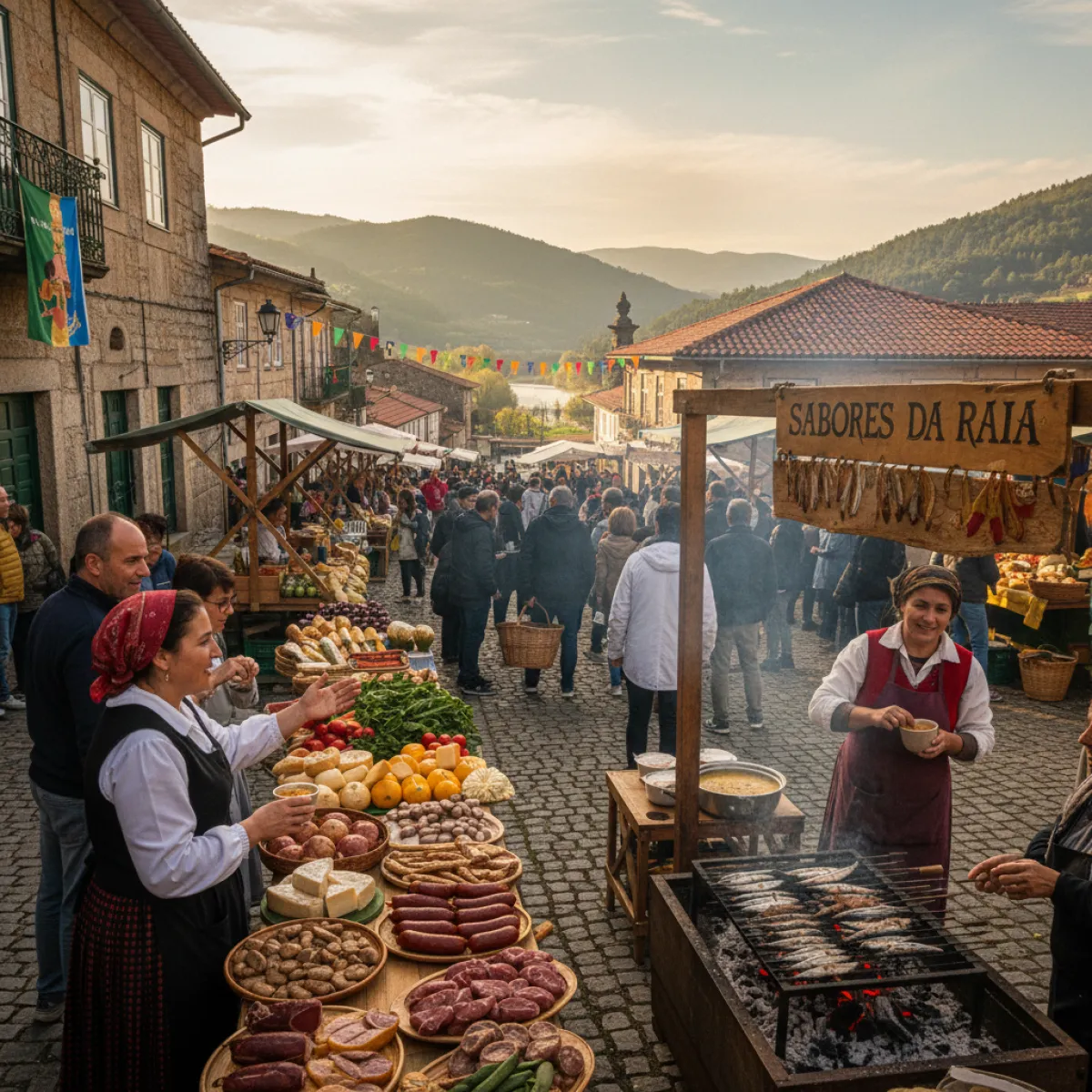
Every Friday morning, the center of Melgaço undergoes a transformation. The weekly fair is where social hierarchies dissolve in favor of the search for the best turnip, the driest beans, or the most perfectly cured ham. Do not expect the stylized stalls of urban markets in Porto or Lisbon. Here, the aesthetic is purely functional: open vans, raffia sacks, and the intense scent of damp earth and woodsmoke.
For the visitor, the experience must begin early, ideally by 8:30 AM. This is when local producers from Castro Laboreiro and the surrounding parishes bring their surpluses. Look for the Presunto de Castro Laboreiro. Unlike the southern variety, this ham is saltier, leaner, and carries a distinct oak-smoke flavor that lingers on the palate. A kilogram typically costs between €15 and €25. If you encounter Bucho Doce, a local delicacy made with bread, eggs, sugar, and pork, traditionally served during Carnival but occasionally available year-round, do not hesitate. It is a challenging combination for uninitiated palates, but essential for understanding the survivalist cuisine of the Minho highlands.
What to Source at the Market
- Heather Honey: Dark, dense, and with a bitter undertone that cuts through the sweetness. It is the direct product of the Peneda slopes.
- Corn and Rye Bread (Broa): Heavy, with an almost charred crust. It should be bought warm and slathered with local butter.
- Galician Cabbage and Turnips: The foundational ingredients for Caldo Verde, a soup taken very seriously in Melgaço.
After navigating the stalls, the natural transition is toward culture. Just a few meters from the commercial bustle, the Museu do Cinema de Melgaço (Jean-Loup Passek) offers a fascinating intellectual contrast. It is a reminder that this remote town has always kept its windows open to the world, thanks to the passion of French critic Jean-Loup Passek and the history of emigration that defines the Minho region. Visiting the museum after the market provides a necessary perspective: local identity is rooted in the soil but framed by an unexpectedly cosmopolitan vision.
Melgaço-Style Street Food: Tascas and Adegas
The contemporary concept of "street food" is foreign to Melgaço, yet the practice is ancient. Here, street food translates to small tascas (taverns) and adegas (cellars) where the counter is the center of public life. You won't find taco trucks; you'll find wood-fired chorizo bread and bowls of tart red Vinho Verde.
The most genuine experience happens in the traditional adegas scattered through the historic center. Order a "pica-pica": usually a board of local cheeses, often goat and sheep from the nearby mountains, and grilled chorizo. A light meal like this rarely exceeds €10 to €12 per person, wine included. This is where you feel the pulse of the town, far from the obvious tourist routes. For those who have experienced The Slow Rhythm of Ponte de Lima: A Family Guide to Portugal’s Oldest Village, Melgaço will feel rawer, wilder, and in many ways, more untouched.
The Aristocracy of Alvarinho
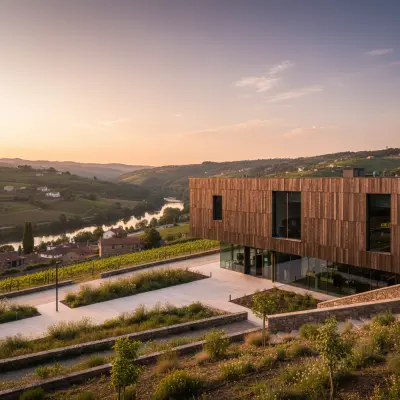
One cannot discuss eating and drinking in Melgaço without mentioning Alvarinho. This grape variety found its ideal terroir here, shielded by the mountains from the Atlantic’s excessive humidity. Unlike generic Vinho Verdes, Melgaço’s Alvarinho is structured, mineral-driven, and capable of aging with an elegance that rivals great European whites.
The Solar do Alvarinho is the perfect place to begin a tasting, but the true pleasure lies in visiting small producers. Many offer petiscos (small plates) to accompany the tasting. The wine serves as the perfect acidic counterpoint to the fat of Castro Laboreiro’s cured meats and the richness of the lamprey. It is a technical symbiosis: the wine’s acidity cleanses the palate, preparing it for the next bite of ham or salt cod.
Winter and the Fire Diet
Visiting Melgaço in the colder months reveals a more telluric gastronomy. This is the season for Cozido à Minhota and lamprey. Winter here possesses a mystique similar to what we described in The Fog and the Feast: Why Ponte de Lima is Portugal’s Most Evocative Winter Escape, but with added rusticity. The food is designed to warm the body and soul, cooked slowly in iron pots over glowing embers.
Melgaço’s lamprey, caught using traditional methods in the Minho River, is considered by many to be the best in Portugal. The flesh is firm and the flavor intense. Arroz de Lampreia (lamprey rice) is the most iconic dish, where the fish’s blood is used to create a rich, velvety sauce. It is a divisive delicacy, but one that represents the visceral connection between the people and their river.
Craftsmanship and Sustenance
The link between what is eaten and what it is served on is profound in the Minho. While Melgaço focuses on its agricultural and viticultural output, the regional context is vital. The earthenware used in local tascas to serve wine and roasts reflects neighboring traditions. Exploring The Living Craft of Minho: A Deep Dive into the Pottery of Barcelos helps contextualize the rustic aesthetic that reigns over Melgaço’s tables. There is a cultural continuity that joins the potter of Barcelos with the winemaker of Melgaço: both work with the earth’s raw materials to create something that is simultaneously utilitarian and artistic.
Practical Advice for the Traveler
To truly appreciate Melgaço, abandon expectations of conventional luxury. Luxury here resides in the purity of the ingredient. When visiting the market or a tasca, bring cash; many of the most authentic producers do not accept electronic payments. If you plan to eat lamprey, book well in advance, as the best specimens are claimed by connoisseurs months before the season starts.
Melgaço is a place of silences interrupted only by church bells or the sound of the river. It is a town that rewards slow observation. Sit on a terrace with a glass of Alvarinho, watch the market’s ebb and flow, and let time run at a different pace. By the end of the day, you will realize that the best street food doesn't come in a cardboard box, but from a granite counter, served by hands that understand the rhythm of the seasons.