Sines Beyond the Festival: Castle, Port, and Fresh Fish
Sines is more than its summer festival. The castle where Vasco da Gama was born, the artisanal fishing port with fresh sardines and octopus, and the caldeirada eaten at a paper-tablecloth tavern make this Alentejo town a year-round destination worth the detour.
Everyone knows Sines because of the festival. FMM Sines fills the town for a few summer days, stages go up by the castle, and then the crowds leave. But Sines exists for the other 360 days of the year. And honestly, those are the days when the town gets genuinely interesting.
Sines is a small town with an enormous port, a medieval castle where Vasco da Gama was born, and a waterfront where fish arrives from the sea in the morning and lands on your plate by lunch. It doesn't need a stage to work. It just needs someone to pay attention.
The Castle and Museum: Where It All Started
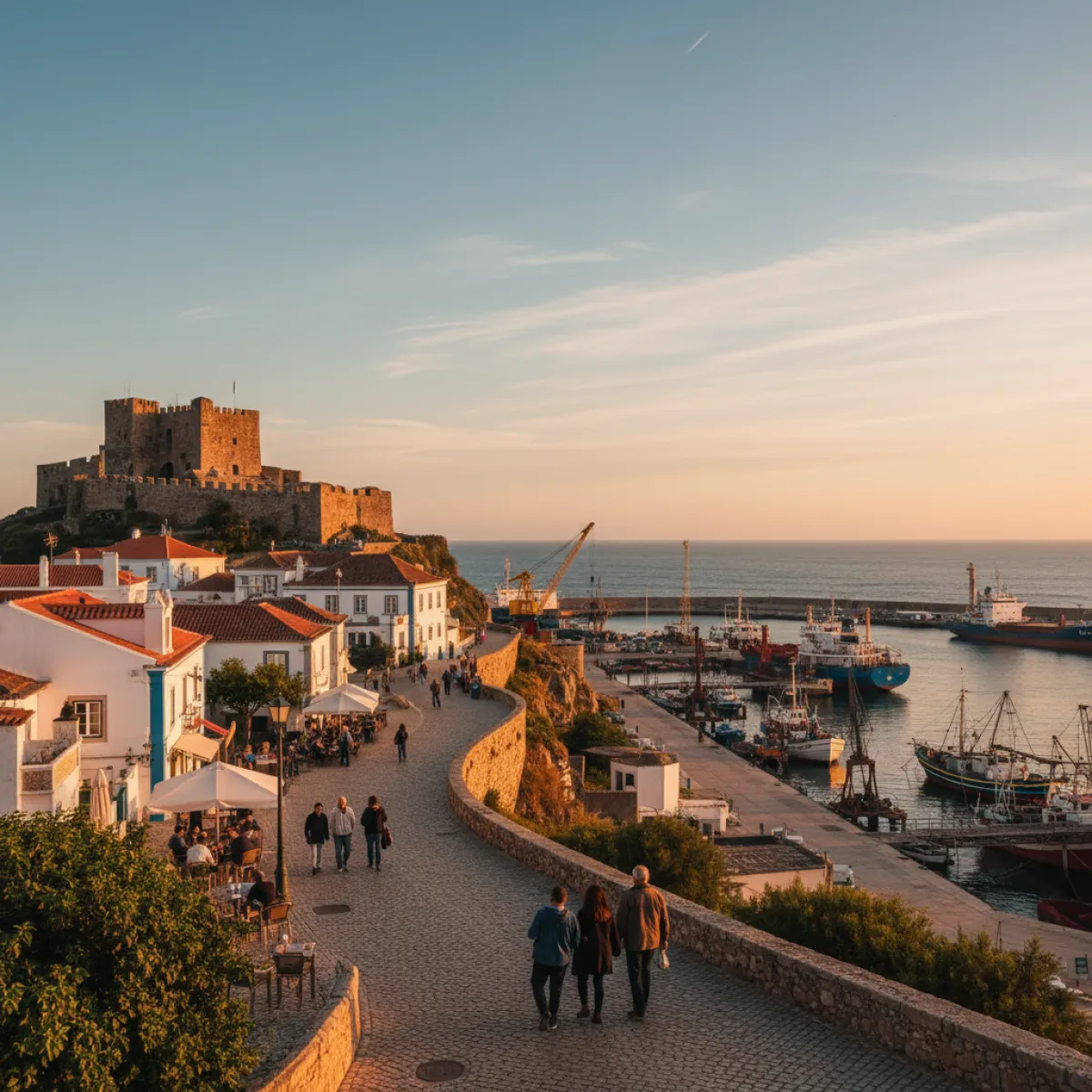
Sines Castle sits at the highest point in town, on top of the cliff, overlooking the bay. It was built in the 15th century during the reign of King João I, then enlarged in the early 1500s. This is where Estêvão da Gama, the castle's warden, lived with his family. And this is where, or very near here, his son Vasco was born around 1469.
The castle was restored and reopened in 2008 as the Sines Museum, housed in the former Casa de Vasco da Gama. The museum is small but well done: local archaeology, maritime history, and the obvious connection to the navigator who redrew the world map. It's open Tuesday to Sunday, 10am to 1pm and 2pm to 5pm. For current admission prices, check locally or visit the municipality website.
What makes the castle special isn't the museum itself, it's the position. Early morning, before anyone else shows up, walk to Largo Poeta Bocage. The Sines lighthouse sits nearby, and the view over the fishing port and Praia Vasco da Gama is one of the best on this coast. Late afternoon, it's the right spot to watch the sun drop into the Atlantic.
If you want to explore the area with historical context, the Vasco da Gama Trail in Sines connects the castle to the coastal coves, passing through points linked to the navigator's story. It's the best way to understand how the castle relates to the sea and the port below.
The Old Town: Streets with Actual Life
Sines is not a museum town. The historic centre is compact, walkable in under an hour, but worth taking slowly. Rua Direita and Rua da Praça form the main axis, lined with old-fashioned shops that sell everything, groceries smelling of roasted coffee and salt cod, and the occasional tavern that seems frozen in the 1980s.
Praça Tomás Ribeiro is the social centre of town. There are café terraces, shaded benches, and someone always commenting on the state of the sea. Largo do Muro da Praia gives a different angle on the bay, lower and closer to the water.
One note: Sines has charm, but it's not postcard-pretty. The industrial port, one of the largest on the Iberian Peninsula, is visible from several points around town. There's no point pretending it doesn't exist. It's part of the place's identity, this odd coexistence between the fishing village and the massive port infrastructure. That's what makes Sines different from Porto Covo or Vila Nova de Milfontes.
The Waterfront and Fishing Port
Walk down to Avenida Vasco da Gama and into the fishing port. Sines is one of the most active artisanal fishing ports in the Alentejo, with significant catches of sardines and octopus. Early morning, colourful boats pull in with the day's catch. The Armazéns da Ribeira Velha, a large warehouse building by the quay, is one of the most recognisable features of the landscape.
The pedestrian and cycling path along the dock is recent and well designed. You can walk from the port to Praia Vasco da Gama without losing sight of the ocean. In winter, with the southwest wind hitting the coast, this is genuinely dramatic.
The Mercado Municipal sells fresh fish, vegetables, fruit, and regional products. Go early to see the fish auction in action, catches being sold from polystyrene boxes. There are cafés nearby that, according to local tradition, will cook the fish you've just bought. Check on the ground, as not all of them still do this.
Where to Eat: Fish, Obviously
Sines is fish country. Caldeirada is the signature dish: a slow-cooked stew layered with fish, potato, and onion. Grilled sardines, when they're in season (May through October), are mandatory. Fried cuttlefish, a tradition shared with Setúbal, shows up on nearly every menu.
Look for restaurants along Rua Teófilo Braga and around Praça Tomás Ribeiro. The general rule is simple: if the restaurant has paper tablecloths and is packed with locals at noon, it's probably a good bet. If it has a menu translated into five languages on the door, walk past.
Don't expect fine dining. Sines is honest food, generous portions, fair prices. A plate of grilled fish with sides runs around €12 to €18 at most central restaurants. A jug of house wine, usually an Alentejo red, costs €3 to €5.
Where to Stay
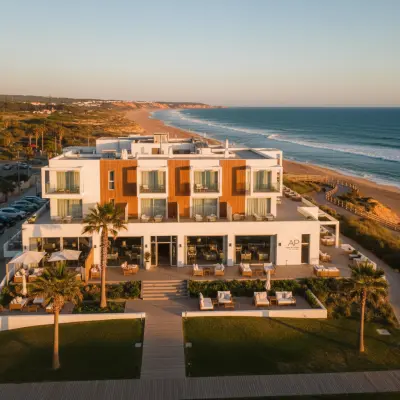
For a comfortable, centrally located stay, AP Sines, Costa Alentejana is the reference. It's close to the centre and the sea, which in Sines means it's close to everything. Book ahead if you're coming during the festival or in August, when the Alentejo coast fills up.
Outside peak season, Sines is a quiet place to overnight. There are local guesthouses scattered through the historic centre, usually cheaper and with more character.
Getting There and When to Go
Sines is about 160 km from Lisbon. By car, via the A2 motorway and then IC33, it's under two hours. Rede Expressos runs buses, but connections aren't frequent. Without a car, it's possible but requires planning.
The best time to visit Sines outside festival season is April through June, or September and October. Weather is warm but manageable, the town is alive but not overcrowded, and the fish is excellent year-round. In winter, Sines has a rough beauty: fewer people, more wind, and extraordinary late-afternoon light over the castle.
How Much Time to Allow
A full day is enough for the castle, museum, waterfront, and a proper lunch. But if you want to add beaches nearby (Porto Covo is a 15-minute drive) or do the coastal trail, stay two nights.
Beyond Sines
If this Alentejo trip has given you a taste for the region, consider extending north. Portalegre, in the Upper Alentejo, is another town with its own identity that few people bother to discover. Our guide to a real weekend in Portalegre gives you the route without the tourist traps. If you're the type who likes walking, the Portalegre neighbourhoods worth the walk are a good complement. And for anyone who travels with their stomach as compass, the guide to where locals actually eat in Portalegre is required reading before you go.
Sines doesn't need the festival to justify the trip. It needs a visitor who wants fresh fish, a castle with a view, and a town that still works as a town, not as scenery. Go on a weekday, outside August, and you'll understand what I mean.