Sabrosa: Your Base for the Best Douro Day Trips
Sabrosa has no train station and no postcard monument, but it sits half an hour from everything that makes the Douro worth the trip. From Pinhão to Torre de Moncorvo, here's how to plan your days, and nights, from here.
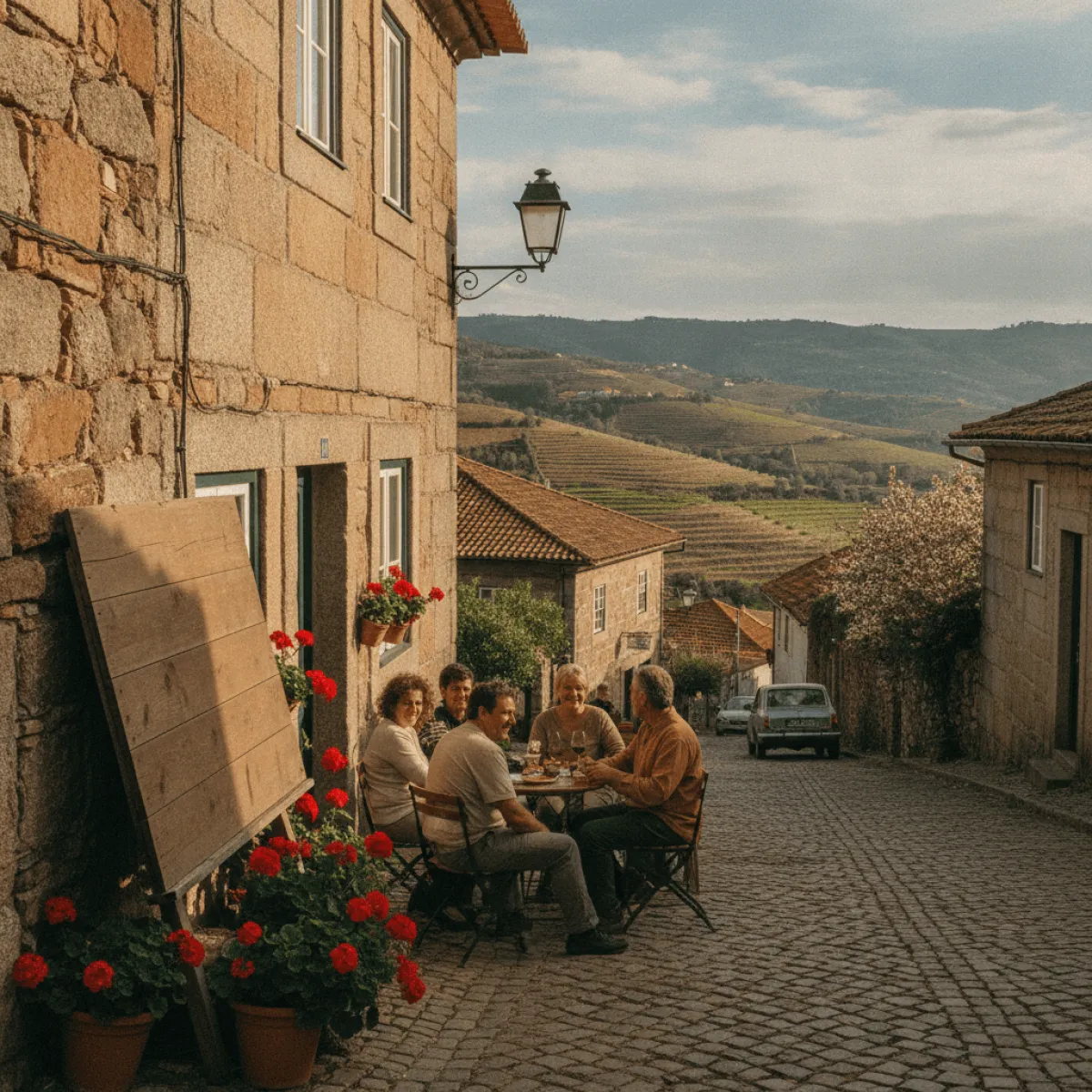
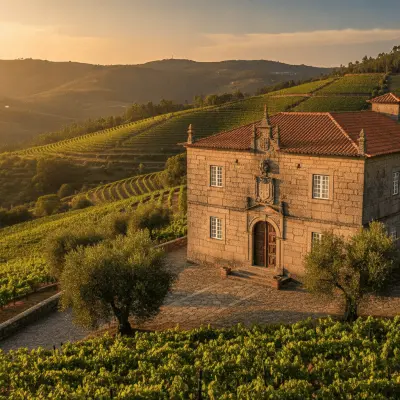
Nobody ends up in Sabrosa by accident. It has no train station, it's not on the way to anywhere in particular, and most tourists driving through the Douro can barely pronounce its name. But that's exactly the point: tucked among the vineyards, half an hour from everything that matters, Sabrosa makes a smarter base than the postcard towns everyone else picks. Start at the beginning, literally: Sabrosa is where Ferdinand Magellan was born, the man who led the first circumnavigation of the globe, and the Casa Solar de Fernão de Magalhães is still standing to prove it. It's not a grand museum, just a granite manor house you can walk through in twenty minutes before moving on. Consider it a fitting warm-up: if this man left town to sail around the entire planet, the least you can do is drive out to see what's nearby.
Pinhão: going down the river the old way
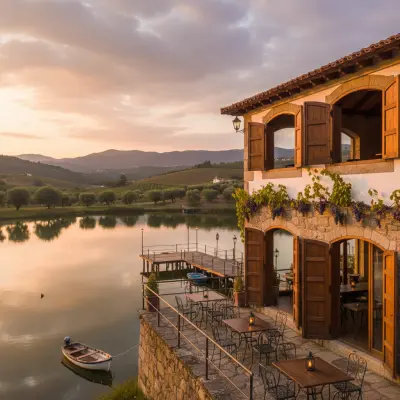
The obvious trip, and the right one, is to Pinhão. It's about fifteen kilometers of tight curves through terraced vineyards, roughly twenty minutes if you don't stop to take photos, which you will, repeatedly. Pinhão's train station, its walls covered in azulejo panels depicting harvest scenes, is worth the stop on its own, proof that over a century ago even a provincial platform deserved real art. But Pinhão isn't a place to look at from the outside, it's a place to see from the water. The Sabrosa Boat Trip: From Pinhão to Cais do Ferrão does exactly that, boarding at the Pinhão dock and drifting down the Douro to Cais do Ferrão while the terraced quintas parade past on both sides, so slow it feels like the boat is standing still and the hillsides are the ones moving. The rabelo boats used for this route once hauled port wine barrels from the Alto Douro down to Vila Nova de Gaia, and it's only fair they still get to sail rather than rot at some dock. Go early, before the big tour groups arrive, or late afternoon, when the low golden light hits the terraces just right. For lunch, Pinhão fills up with river-facing terraces: pick one with shade, order posta mirandesa or a plate of bacalhau, and don't rush. Rushing is for people who live in Lisbon.
Wine, no games: from the vine straight into the glass
Sabrosa sits at the heart of the Cima Corgo sub-region, part of the oldest demarcated wine region in the world, and that's not marketing copy, that's a fact dating back to 1756. In practice, this means you don't need to travel far to taste serious wine, made by people who actually live off these hillsides rather than off tour buses. The Wine Tasting at Wine & Soul in Sabrosa is the right example: a small, focused project making concentrated, honest wines, a world away from the theme-park scale some bigger quintas have grown into, complete with gift shops. Here you taste real Douro red without excessive ceremony, and you leave understanding exactly why this valley was the first in the world to earn a line on the map purely because of its wine. Book ahead, it's small, and there's no room for groups of twenty tourists taking selfies between the barrels. If you want to stretch the day, pair the tasting with a visit to other local quintas that open for tastings and lunch, but make sure someone in the group stays sober, because the roads between vineyards are narrow and guardrail-free.
Peso da Régua and Vila Real: two towns, two speeds
Peso da Régua sits about twenty-five kilometers from Sabrosa, roughly thirty-five minutes by road, and it's the town that historically ran the entire port wine trade. The Douro Museum occupies a former riverside warehouse and tells that story without too much sentimentality, using photographs and documents that trace how this valley went from isolated rural backwater to UNESCO World Heritage site. The Régua dock still receives the river cruise boats that travel between Porto and Barca d'Alva, and watching these large vessels maneuver on a narrow river is a spectacle in itself. Vila Real sits at a similar distance, about twenty-five kilometers by a different road, with an entirely different rhythm: it's a university town, with proper café culture and traffic that reminds you modern civilization exists less than half an hour from Sabrosa. The detour to Palácio de Mateus, just minutes from the center, is worth it. It's that baroque manor house everyone has already seen without knowing where it was, since its facade has decorated the label of Mateus rosé wine since the 1940s. The geometric gardens, with their clipped boxwood hedges and the reflecting pool in front of the house, deserve a slow, unhurried hour, no rush to get the perfect photo.
Torre de Moncorvo, if the season lines up
Further out, for anyone with a full day and a taste for driving, lies Torre de Moncorvo, a little over an hour east of Sabrosa. It's not a destination for just any time of year: the real appeal lives in spring, when the town's gardens and parks come alive, as covered in Torre de Moncorvo in Bloom: Spring Gardens and Parks. If your visit falls between March and May, it's worth stretching the day out there; outside that window, the drive costs more than it gives back, and you're likely better off staying closer to Sabrosa and exploring the surrounding villages at a slower pace. Knowing when it's worth going further and when it's better to stay close is what separates good trip planning from just racking up kilometers on the GPS.
When the calendar decides: Santos Populares in June
If your visit lands in June, forget the full day trips and stay in Sabrosa for the night instead. The popular festivals of the Deep Douro, bonfires, grilled sardines, and street processions that run late into the night, turn the town's usually quiet routine upside down for a few days, as explained in Santos Populares in Sabrosa: June in the Deep Douro. It's the one exception to the day trip rule: that time of year, the best plan is not to leave.
How to actually organize the days, and the nights
A car is non-negotiable. There's no train network that serves these routes with any dignity, and regional buses exist but weren't designed for tourists on a schedule. Roads are narrow, with constant curves cutting between terraces, so always allow more time than the GPS promises, especially in August when harvest workers and slow tractors fill the vineyards. A typical day looks like this:
- Morning: Casa Solar de Fernão de Magalhães in Sabrosa, then twenty minutes to Pinhão
- Midday: boat trip from Pinhão to Cais do Ferrão, followed by lunch on a riverside terrace
- Afternoon: wine tasting, at Wine & Soul or another quinta in the area
- Late afternoon: back to Sabrosa before dark, because driving these roads at night is not for everyone
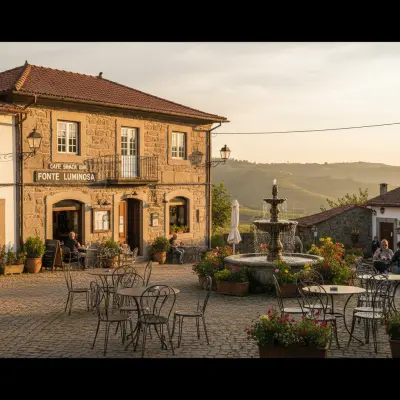
Back in town, Sabrosa rewards with simple, unhurried nights. Lagoa Bar is the right call for a beer after a day of sun and wine, no fuss, no decoration to speak of, the kind of bar where locals still drink standing at the counter. If you'd rather keep it quiet, Café Snack Bar Fonte Luminosa works well for a late coffee or a light meal before bed. For anyone still deciding where to stay during these days, the guide Sabrosa: Village, Quinta, or Riverside, Where to Stay lays out the real differences between sleeping in the village center, on an isolated quinta among the vines, or closer to the river, and how that single choice reshapes the entire kind of day you can plan from here. Do the math and a full day combining the boat trip and a wine tasting runs around seventy to a hundred euros per person, meals not included, which for a day that delivers river, wine, and landscape, isn't much to ask. Sabrosa has no grand monument to put on a postcard, but it has the rare advantage of sitting half an hour from almost everything that makes the Douro worth the trip. Use it.