Rainy Day in Mafra: Indoor Plans That Actually Deliver
When it rains in Mafra, most people flee to Lisbon. That's a mistake. The palace empties out, the 36,000-volume library takes on a different presence, and you have the perfect excuse to stretch lunch into the afternoon. This guide is for those who stay.
Here's what most people do when it rains in Mafra: they get in their car and drive to a shopping mall in Lisbon. This is a mistake. Mafra in the rain is arguably better than Mafra in the sun. The palace corridors empty out, the stone darkens beautifully, and suddenly you have a perfect excuse to spend two hours at lunch without feeling guilty. This guide is for those who stay.
A palace built for grey skies
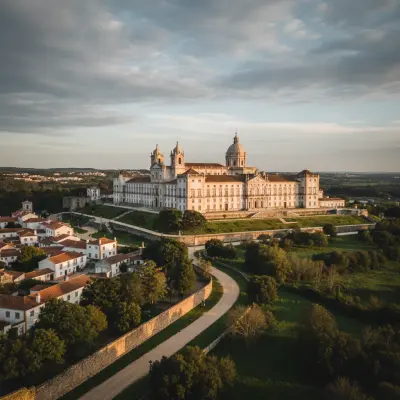
If you haven't visited the Palácio Nacional de Mafra yet, a rainy day is your best opportunity. Not for some romantic reason, but a practical one: on sunny days, tour groups clog the rooms and the visit becomes a slow shuffle. In the rain, the palace breathes. And this building needs space to be understood.
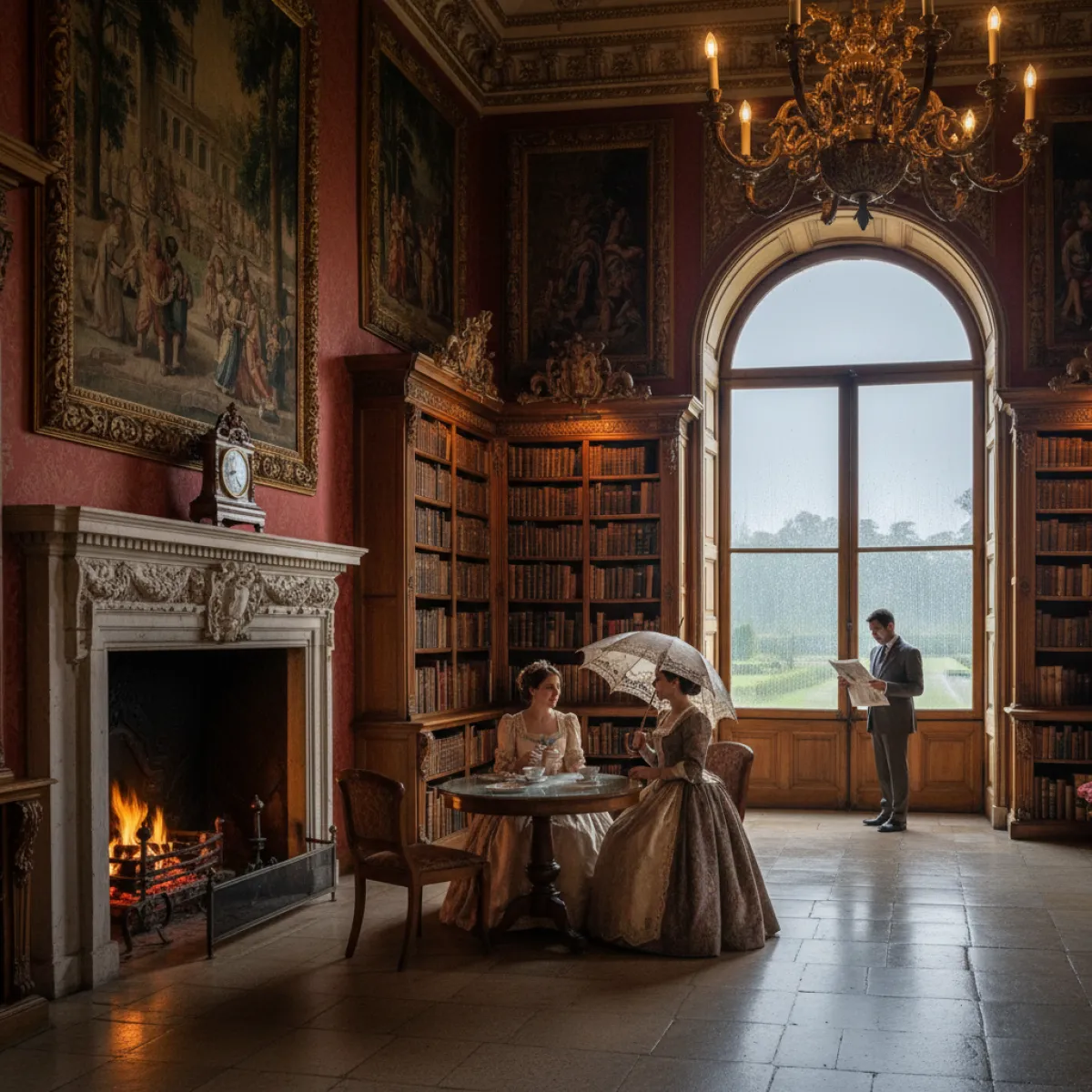
The library is the highlight, and that's not hyperbole. It holds 36,000 volumes from the 18th century, arranged in an 88-metre-long hall with marble floors and a humidity control system that was cutting-edge for its time. The bats that live in the library eat the insects that would otherwise damage the books. Every guide loves telling you this, and it's completely true. Allow at least two hours for the full visit. The basilica, the royal apartments, the infirmary with its individual cells for sick friars: everything here tells the story of King João V's outrageous ambition to rival the Vatican.
Practical tip: buy your ticket online to avoid the queue at the ticket office, which grows on rainy days because everyone has the same idea. The palace has been a UNESCO World Heritage Site since 2019, which means maintenance has improved but demand has also increased.
Eating properly, without rushing
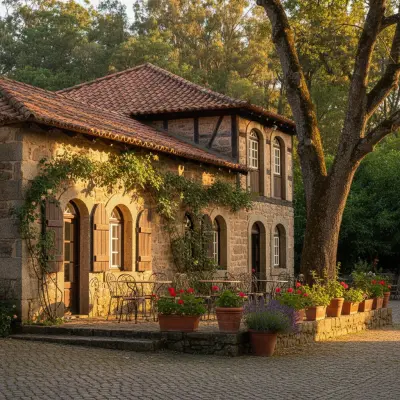
A rainy day demands a long meal. Prédio Ericeira is a solid option, particularly if you enjoy a relaxed setting with careful cooking. It's in Ericeira, just a short drive from Mafra, and works well for a lunch that naturally stretches into the afternoon. The kind of place where nobody rushes you to ask for the bill.
If you're staying in central Mafra, there are several traditional pastry shops and cafés around the main square. The region's baking tradition is genuine and well-documented. If you're curious about the subject, our guide to traditional Mafra sweets gives you context and concrete suggestions, even outside the Easter season. The conventual pastry tradition in this area has roots in the Mafra convent itself, and some of those recipes still circulate in local bakeries.
When the rain eases: gardens in the gaps
There's a difference between torrential rain and that Atlantic drizzle that lasts all day but is never quite strong enough to justify staying indoors. If you find yourself in the second scenario, and you own a decent waterproof jacket, two options actually improve in damp weather.
The Jardim do Cerco, behind the palace, is an 18th-century formal garden with geometry that looks particularly photogenic on wet ground. It's not a multi-hour walk, but a 30-to-40-minute circuit late in the morning, before lunch, works perfectly. The water features, the structured beds, the visual connection to the palace: all of this gains a different quality under low cloud and diffused light.
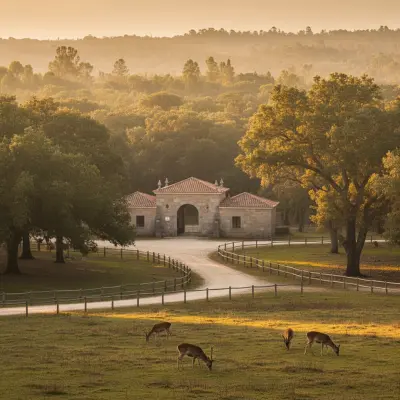
The Tapada Nacional de Mafra is a more ambitious proposition. It covers 800 hectares of enclosed woodland that served as the royal hunting reserve. Here, moderate rain can actually work in your favour: the deer and wild boar become more active, the smell of wet earth is extraordinary, and the trails, when they're not waterlogged, take on an almost meditative quality. But be warned: if it's rained heavily in the days before, some paths get muddy and difficult. Check conditions at the entrance before committing. And wear boots, not trainers.
The backup plan that should be the main plan
Here's a suggestion few people consider: use a rainy day in Mafra to stop. Not in the vague sense of "relaxing," but literally book a programme that forces you to disconnect. The detox retreat at Quintinha do Mar is exactly that kind of programme. It's set in the Mafra area, integrated into the landscape, and its offering makes more sense when the weather outside isn't inviting you to the beach. Rain hitting the windows while you're in a wellness programme isn't a problem: it's the perfect setting.
It's not for everyone, obviously. But if you've travelled to Mafra and the weather has turned, instead of forcing a sunshine itinerary with an umbrella, consider the possibility of changing the register entirely. Sometimes the best travel days are the ones where the original plan fell apart.
What to do with the rest of your day
After the palace and lunch, the afternoon can feel long if the rain keeps going. Some practical suggestions:
- Visit the basilica church in the late afternoon, when the light coming through the windows completely changes the mood of the central nave. Entry is free and separate from the palace visit.
- If you're travelling with children, the palace runs occasional themed activities and visits. Check the official website before going.
- The town of Mafra has a human scale that invites short walks between downpours. From the square to the palace, from the palace to the Jardim do Cerco: everything is within walking distance.
If the rain persists and you've exhausted Mafra's options, both Sintra and Lisbon are less than 40 minutes by car. Our Sintra neighbourhood guide has suggestions that work equally well in bad weather, and Sintra, like Mafra, is a place that gains character in the rain. If you'd rather head to the city, our coverage of local culture in Lisbon points to museums, neighbourhoods, and cultural programmes that fill a rainy afternoon effortlessly.
The truth about Mafra in the rain
Mafra is not a beach destination. It never was. It's a destination built on heritage, nature, food, and a certain slowness that has been lost elsewhere. Rain doesn't ruin Mafra; it simply reveals the version of the municipality that works best in slow motion. The palace was built in stone to last centuries. The Tapada has existed for hundreds of years. The conventual sweets follow recipes passed down through three generations. None of this needs sunshine to make sense.
The mistake is arriving in Mafra with a beach plan and feeling frustrated when it rains. The smart move is arriving in Mafra knowing that, whatever the weather, there's an absurdly grand palace to explore, royal woodlands to walk through, comfort food to linger over, and, if you want it, a retreat where the rain is part of the programme. Bring your jacket. Leave the umbrella in the car. And give it time.