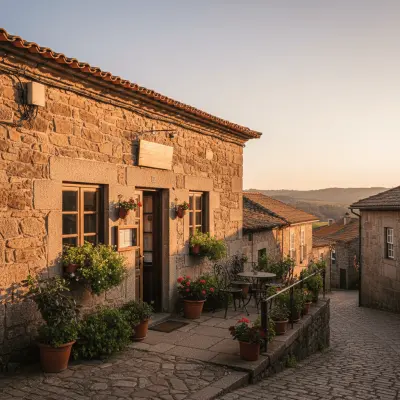
Mogadouro in Summer: Markets, Fruit and Plateau Flavours
Monthly market on the 6th, Alfândega cherries at five euros a kilo, heather honey that crystallises in your backpack, and the best roast kid found halfway down the street. An honest guide to Mogadouro's edible summer, with the right hour for each thing.
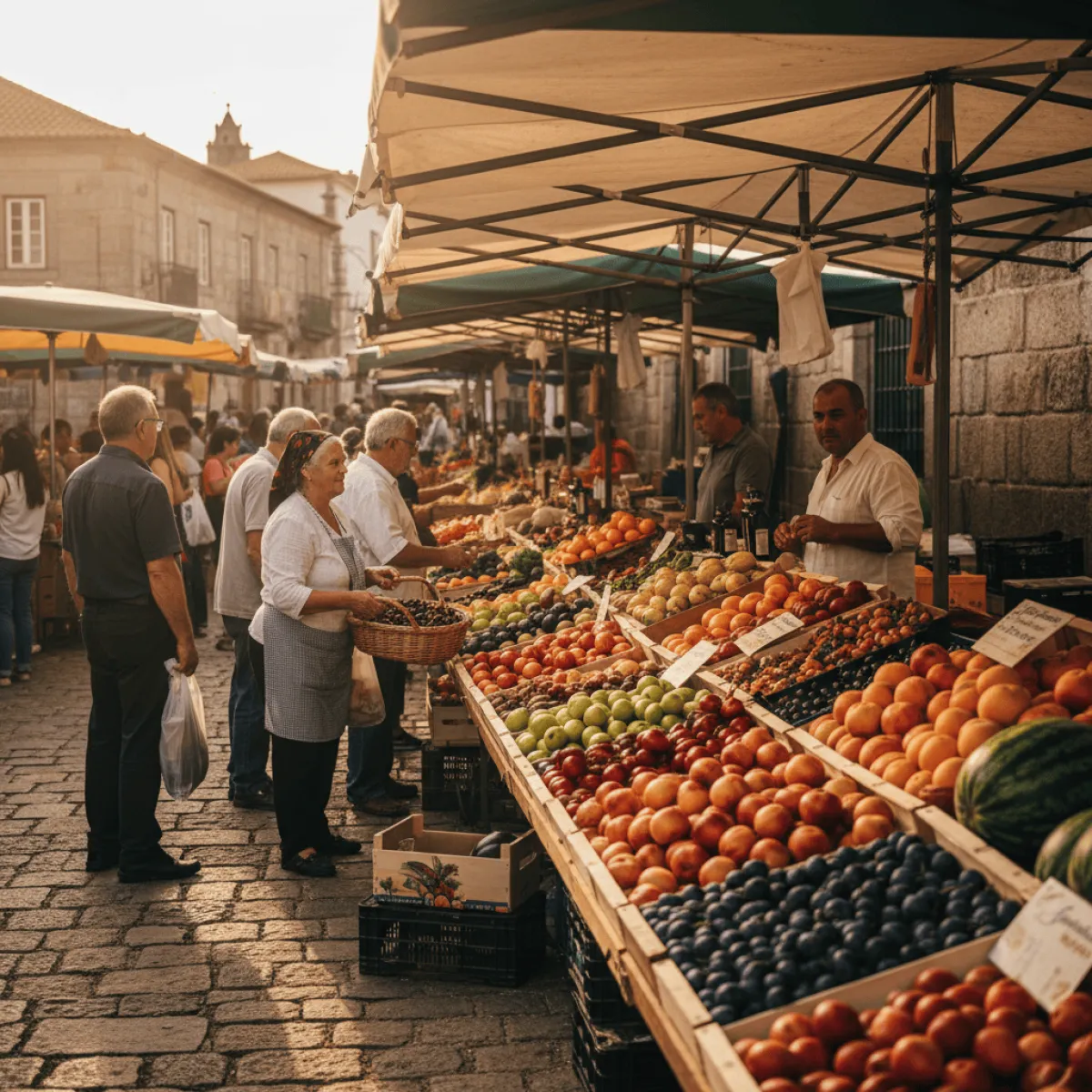
People come to Mogadouro for the castle, the viewpoints, the famous silence of the plateau. I come for the market. Or, more precisely, for the stalls that appear in the Praça do Município on monthly market mornings, and for the small transactions that happen around it: a neighbour selling sour cherries from a basket by her front door, a beekeeper who takes orders on a landline, an old man with a battered plastic crate of peaches from his garden. This is Trás-os-Montes in June, July and August: the season when the plateau, after months of being yellow and dry, gives back fruit as if apologising.
This is a guide for travellers who want to understand summer eating in Mogadouro without falling into the gastronomic-tourism trap that treats Trás-os-Montes as a medieval-fair postcard. I will not talk about chestnuts (that is autumn) or smoked sausage (that is winter). I will talk about what is actually arriving at the stalls right now, what to eat at three in the afternoon when the thermometer reads 38 degrees, and where to sleep and drink so you can do all of this without stress.
When to go, and why the calendar matters more than you think
The first thing nobody tells you: the monthly market in Mogadouro generally happens on the 6th of each month (check locally, because it shifts by a day or two around holidays). If the date falls on a weekend, multiply by three the number of people, of cooking pots, of goats. On other days there is always some movement on the square and in the grocery shops on Rua 25 de Abril, but the dates are when you see the full picture: producers from the surrounding villages, vendors from Régua, Roma traders with cotton and bedlinen, and two or three tables with honey, fresh goat cheese, quince jam.
Summer on the plateau has three distinct moments, and you should pick one:
- June: cherries (mostly from Alfândega da Fé, just up the road), the first peaches, lettuces still worth eating, broad beans. The viewpoints are still green and the Sabor reservoir is actually full.
- July: melon, watermelon, peaches in full swing, greengage plums, the first early figs. Dry heat, very long days, and the right time for the market is before 10am.
- August: grapes, black figs, the new almond crop, peppers destined for winter sausages. Be careful: many grocers and wine cellars close in the second half of the month for holidays. Confirm before driving 200 km to buy cheese.
If you want to combine the market with the best hour to photograph the plateau, read afterwards this guide to Mogadouro's viewpoints in June. The idea is simple: market in the morning, long nap, viewpoint at 8.30pm. Do not improvise.
What to buy at the market (and what to ignore)
Let me be clear: not everything at the square is local. There are Madeiran bananas, Beira kiwis, greenhouse tomatoes that could have come from any supermarket. The art of Mogadouro market is filtering.
Cherries: the June obsession
The cherries from Alfândega da Fé have DOP status and are, without much debate, among the best in Portugal. They reach Mogadouro market because the neighbouring producers do the circuit. Look for Burlat (darker, sweeter, the first to appear), Summit and Sweetheart. A fair price in June 2026 is around four to six euros per kilo. If someone asks for ten, either these are end-of-season cherries or you are paying for their van. Bargain.
Peaches, melon and watermelon
The peaches around here tend to come from the Sabor valley and the area around Vila Flor. They are not greenhouse peaches: smaller, darker, sweeter. The melon is almost always a casca de carvalho variety, dark green outside, white flesh inside. Skip the bright orange cantaloupe; it is usually imported.
Honey and cheese
The heather honey of Trás-os-Montes is the one worth buying. Dark colour, slightly bitter, crystallises quickly. Buy a small jar first to taste (five to seven euros for 500g). For cheese, ask for fresh or amanteigado goat cheese, homemade, and taste before buying. A good wheel has a thin rind and bright yellow flesh inside. If it is chalky and white, it came from an industrial dairy.
What to ignore
Salpicão, alheira, smoked ham: all glorious, but all winter food. In August, the cured meats hanging in 35 degrees for weeks have lost half their character. Come back in November.
Where to sleep to do the market properly
The market starts early. Genuinely: by 7.30am stalls are up, and by 11am the best of the produce is gone. Which means staying in Mogadouro itself, rather than in an Airbnb 40 km away, makes all the difference.
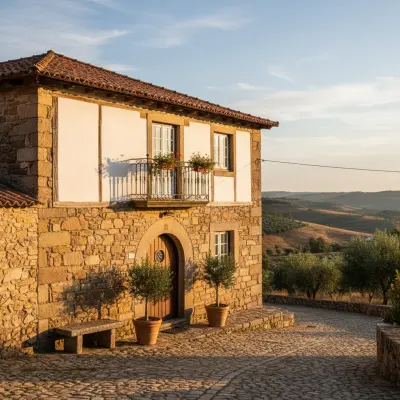
My recommendation for somewhere with character is A Casa do Gi, a rural guesthouse in the village with that discreet good taste that is rare in the region. Restored stone walls, breakfasts with house-made jam and bread from up on the hill, and the practical bonus of being able to walk to the square. If you prefer something more isolated, with a pool and near-total silence, try Casa das Águas Férreas: it sits outside the centre, in a landscape of scrub oak, perfect if you want to combine the market with afternoons of reading and swimming.
Breakfast, lunch, drink: the choreography of the day
Before the market
No mystery: fresh bread, a coffee and a piece of toast in any pastelaria in the centre. The bakeries open between 6.30 and 7am, which is early for almost everyone, but in Mogadouro that is the hour when farmers and hunters are already on their first bica.
Mid-morning, after shopping
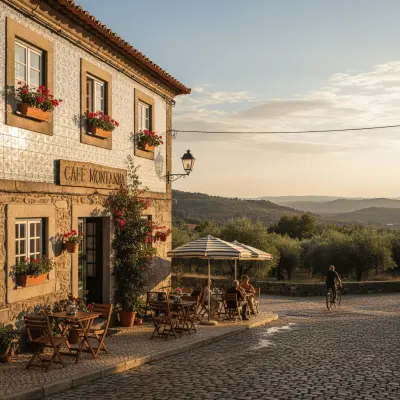
An unobvious suggestion: Café Montanha. A neighbourhood café with no pretensions, but a terrace that catches shade from 10am, decent coffee, and the perfect spot to sit with the fruit bag at your feet and watch the post-market crowd. Order a sparkling water and a custard tart. Do not overthink it.
Lunch
For lunch, head to Bacus Bar. It is one of those places that at first glance looks like just another café, and on second glance turns out to have an honest daily special, a house wine that does not embarrass anyone, and prices that still make sense (12 to 15 euros per head with a drink). If there is roast kid, order it. If there is bacalhau à transmontana, order it. If the menu is endless, take the daily special: it is always whatever the kitchen got right that morning.
End of the afternoon and a drink
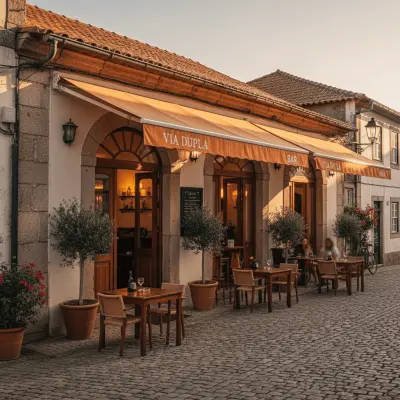
Summer in Trás-os-Montes only becomes tolerable after 7pm, and at that hour you want to be on a terrace with a glass in your hand. Via Dupla Bar is the most lively option in town for a cold beer, a small draught, and unhurried observation of the local parade. Do not expect mixology: expect the opposite, and that is exactly why it works.
Combining the market with experiences outside the village
The point of Mogadouro is not to stay in the village. With fruit in the cool bag and sunscreen in your pocket, there are two trips that are absolutely worth your time in summer.
Kayaking on the Sabor lakes
The Sabor reservoir is one of the most underrated landscapes of interior Portugal. Granite, dark green water, small cliffs and (in June and July) a water level still high enough to be impressive. The kayak experience from Mogadouro is the easiest way into the reservoir without having to think about logistics. Book for the first hour of the morning or the last of the afternoon; at midday the glare off the water is an assault.
Atenor and the Miranda donkeys
Cross over towards Miranda do Douro and visit AEPGA, the association doing remarkable work to save the Miranda donkey breed. This is not a petting-zoo visit: it is a window onto an endangered breed, real conservation work, and a chance to see Atenor, the village itself. The organised visit from Mogadouro handles the dull logistics and gets you straight to the point.
If you are planning a longer northern trip
Mogadouro fits neatly into a wider Trás-os-Montes itinerary. Travellers coming from the west, from Galicia, or doing the Barroso-Bragança loop will want to pass through Montalegre. Two pieces here are useful: Montalegre Beyond Barroso, on the castle, the castro and what to eat in the mountains, and the Montalegre winter photography itinerary, which despite being about winter explains very well how light works on the plateau, useful at any time of year.
Practical advice to avoid ruining the trip
- Cash: Bring euros in small notes and coins. Half the stalls do not take cards and, when they do, the nearest ATM is sometimes 200 metres away with a queue.
- Bags: Cloth bags, a backpack with a rigid compartment for fruit, and a cool box in the car for cheese. In August, at 35 degrees, cheese in the glove compartment is a sad story in twenty minutes.
- Fuel: Fill up at the entrance to Mogadouro. Do not assume there will be an open petrol pump at 10pm in the middle of the plateau.
- Hours: Serious lunch in Mogadouro is between 12.30 and 2pm. After that, the kitchens start closing even if the dining room stays open. Do not insult the cook by ordering bacalhau at 3.30pm.
- Parking: On market days, parking near the square is a battle. Leave the car in the residential streets near Rua Capitão Salgueiro Maia and walk the five minutes.
Taking home the part that justifies the 400 km
If you are heading back, four things are worth the space in the suitcase:
- Heather or rosemary honey (a 500g jar travels well in a car).
- Olive oil from a small producer; look for unbranded bottles with the address written by hand.
- Amanteigado goat cheese, wrapped in greaseproof paper inside a cool bag.
- Quince or tomato jam, often in repurposed yogurt jars (and yes, that is the authenticity we are talking about).
Mogadouro in summer is not Provence, not Tuscany, and thank goodness. It is a place where the market starts early, the fruit tastes like fruit, and the proper time for each thing is still respected. Go without rush, eat what is in season, sleep somewhere you actually sleep well, and head home with the cool bag full. The rest is literature.