Mirandela in the Rain: Alheiras, Museums and Transmontano Comfort
When the rain settles over Mirandela, the city swaps riverbanks for the aroma of woodsmoke and grilled alheiras. Discover how contemporary art museums and traditional taverns turn a grey day into an unforgettable Transmontano experience.
Mirandela’s Honest Winter
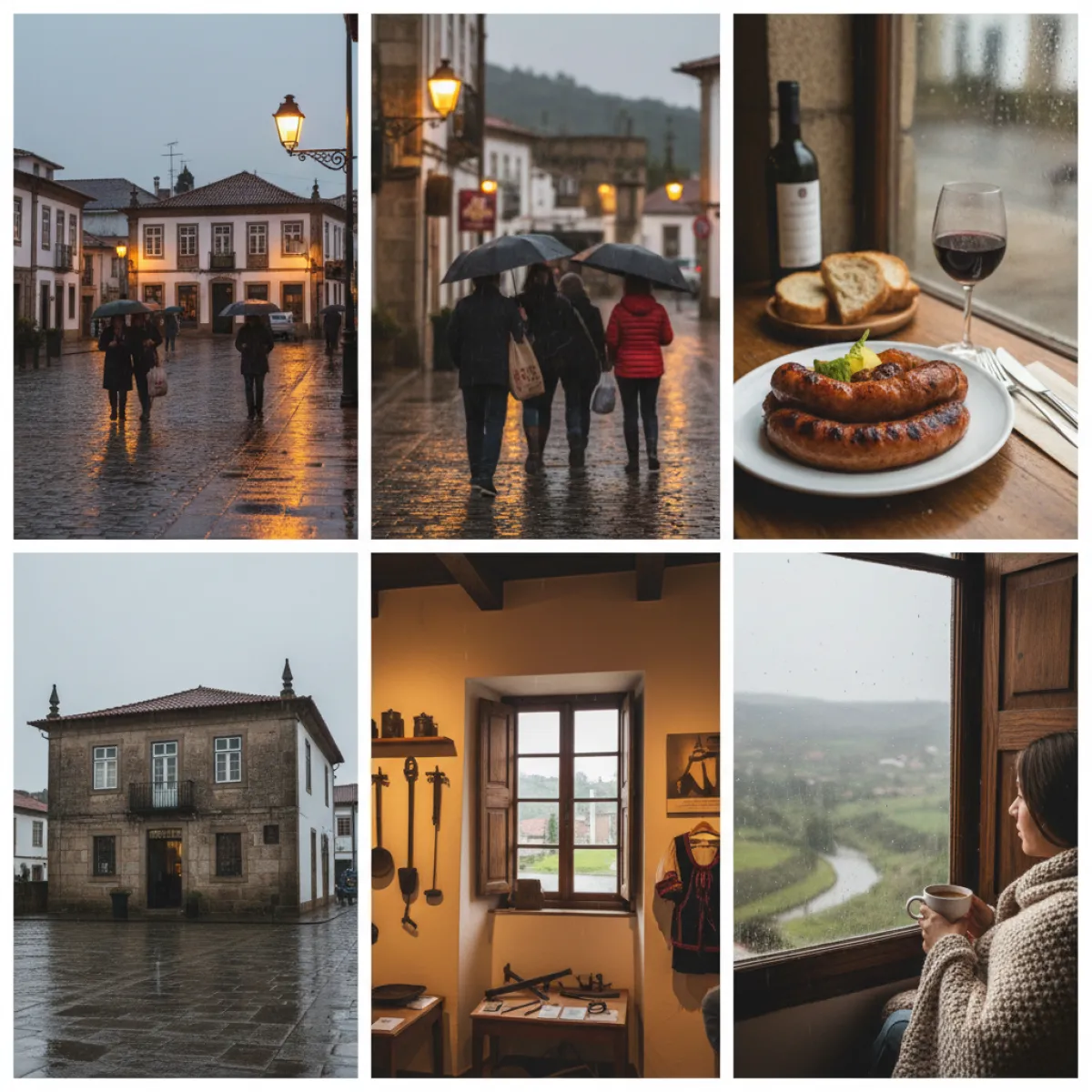
There is a persistent myth in Portugal that Mirandela is a permanent kiln, a place where the mercury hits 40 degrees and locals melt into the banks of the Tua River. But the Mirandela I prefer is the other one. The one that emerges when the low clouds of the Northeast decide to park over the valley and rain begins to lash the stones of the Old Bridge. It is during these moments, when grey dominates the landscape, that the city reveals its true character: a place of resilience, of fireplace-driven warmth, and a gastronomy that makes no apologies for its calorie count.
Forget river-beach strolls or tanning on terraces. When it rains in Mirandela, the golden rule is to seek shelter where the scent of woodsmoke and olive oil is most intense. Rain here isn't a deterrent; it’s an invitation to step into the intimacy of a region that knows better than anyone how to turn isolation into hospitality. If the sky falls, don't complain. It’s the perfect excuse to dive into the best of Mirandela, far from the summer crowds.
Liquid Gold at the Olive Oil Museum
If there is one place that justifies a mandatory stop on a stormy day, it’s the Museu da Oliveira e do Azeite (Olive Oil Museum). Housed in an old industrial milling building near the train station, this space is an exercise in well-executed industrial rehabilitation. Don't expect a dusty museum with forgotten farming tools. It’s a sensory journey through the backbone of the local economy. Olive oil here isn't just a condiment; it’s the blood flowing through the veins of Trás-os-Montes.
Inside, the sound of rain against the skylights creates the perfect soundtrack to explore ancient presses and modern extraction systems. You’ll learn about the olive varieties, Cobrançosa, Madural, Verdeal, and understand why Mirandela’s oil wins awards worldwide. The smell is unmistakable: a mix of mown grass, green tomato, and the fatty density of pressed fruit. Before leaving, check locally for a guided tasting. Drinking a small glass of pure oil might seem strange to the uninitiated, but it’s the only way to understand the balance between the bitter and spicy notes that define the gold of this land. The entrance fee is symbolic, around 2 to 3 euros, and the shelter is absolute.
Contemporary Art Where You Least Expect It
A few minutes away, the Armindo Teixeira Lopes Municipal Museum offers a sharp contrast to the surrounding rurality. It’s one of those secrets that locals hold with a certain pride. Armindo Teixeira Lopes, a native of the region, donated an impressive collection that includes not only his own works but also pieces by legendary names like Almada Negreiros, Júlio Pomar, and Paula Rego. On a rainy day, the silent rooms of this museum are a refuge of sophistication.
It’s fascinating to see how the cold light of a cloudy day highlights the textures of the engravings and paintings. It’s a space to linger, without haste, while waiting for a downpour to subside. No lines, no excessive noise. Just you and the best of 20th-century Portuguese art in the heart of a city many think is only the destination for alheiras. It’s proof that Mirandela has a vibrant cultural life that doesn't depend on fair weather.
Gastronomy as a Shield: The Alheira Ritual
Let’s be honest: nobody comes to Mirandela to eat a Caesar salad. Especially not when the thermometer drops and humidity seeps into your bones. The real safe harbor is a table in a traditional "tasca" or restaurant. The guide Beyond the Alheira: Mirandela’s Culinary Resilience explains this obsession well, but experiencing it on a rainy day is something else. The alheira, that monument to the ingenuity of the New Christians who used bread, garlic, and poultry to deceive the Inquisition, tastes better when steam rises from the plate and fogs up the restaurant windows.
Order the grilled alheira, of course, with crispy skin and a creamy interior. But don't stop there. The "cozido à transmontana", the "posta mirandesa" (steak), or the hare rice are dishes built to combat winter melancholy. Head to spots like "O Grulha" or "Flor de Sal" (for something more contemporary) and settle in. Lunch in Trás-os-Montes is a marathon, not a sprint. Pair it with a full-bodied regional red wine to warm the spirit. A generous meal can cost between 15 and 25 euros per person, depending on your thirst for wine and conventual desserts.
Views Through a Wet Windshield: Paço dos Távoras
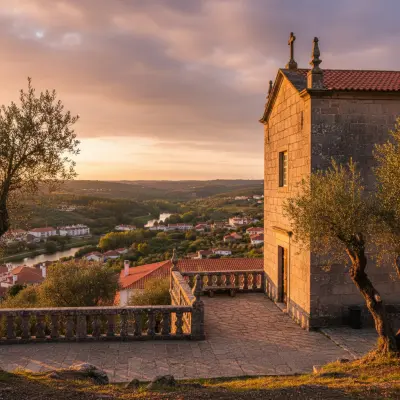
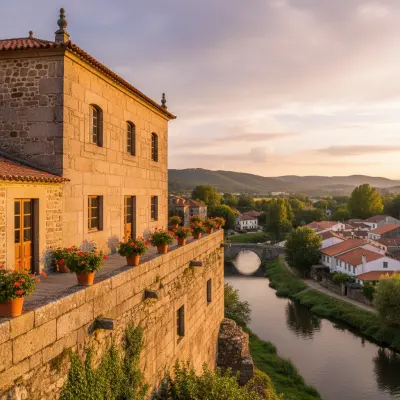
During the breaks in the rain, it’s worth heading to the upper part of town to see the Miradouro do Paço dos Távoras. The building, which now houses the City Hall, is a granite-carved history lesson. The Távora family, one of Portugal’s most powerful until their tragic execution by the Marquis of Pombal, left their mark here. From the viewpoint, the vista over the Tua River and the city is magnificent, even (or especially) under a blanket of rain.
The river turns a muddy brown, dragging sediment from the mountains, and city lights begin to flicker on early, reflecting on the water. If the rain picks up, you can always duck into the building to admire the interior architecture or pop into the Misericórdia Church nearby, where Portuguese baroque offers a visual spectacle that will make you forget the grey outside. Other options for those with a car looking for a quick perspective without getting too wet are the Miradouro de Franco or the Miradouro da Igreja de São Bento, offering panoramic views over the surrounding valleys where olive trees look like misty watercolors.
Strategic Escapes: Hot Springs and Silence
If Mirandela starts feeling too small for all that rain, use the city as a base for quick explorations. Less than an hour away, you have two diametrically opposed but equally valid winter options. If you seek ultimate comfort, head north. The guide The Roman Legions' Legacy: Exploring the Ancient Thermal Springs of Chaves is the perfect roadmap. There’s nothing better than sitting in a thermal spa watching the rain through a glass wall while 37-degree water relaxes your muscles.
If, on the other hand, you prefer to embrace winter in its purest form, drive up to Bragança and enter the Montesinho Natural Park. The article The Silence of Montesinho: A Winter Retreat in the Last Frontier of Portugal describes the absolute peace found in schist and granite villages when snow or rain isolates the world. It’s the place to eat a slab of beef by a communal fireplace and feel that time has stopped.
The Municipal Market and the Coffee Ritual
To feel the pulse of the city without getting soaked, the Municipal Market is the place to be on a Saturday morning. This is where local producers bring the best the land offers: heather honey, walnuts, chestnuts, and, of course, homemade alheiras. The noise is loud, the colors are vibrant, and the atmosphere is of an authenticity that mass tourism hasn't managed to corrupt. It’s the perfect place to buy edible souvenirs that will remind you of Mirandela long after the sun comes back out.
End your rainy day in one of the city's classic pastry shops. Order a short espresso and a regional sweet, like the "pitos de Santa Luzia". Sit by the window, watch the droplets slide down, and observe the locals passing by in their raincoats, unhurried. Ultimately, rain in Mirandela is just a filter that makes everything slower, denser, and, for those who know how to appreciate Transmontano comfort, much more flavorful.
Practical Tips for Grey Days
- Getting There: The A4 highway connects Mirandela to Porto in about 1.5 hours. If coming by bus, the Rede Expressos station is central, allowing you to reach museums on foot with minimal walking in the rain.
- Parking: There are several parking areas near the Olive Oil Museum where you can leave your car and do the rest of the cultural route on foot.
- Clothing: Bring layers. Restaurant and museum interiors are warm, but the wind blowing off the Tua can be biting. A good raincoat is more useful than an umbrella, which Transmontano gusts tend to destroy in seconds.
- Schedules: Most museums close on Mondays. In winter, hours might be slightly reduced, so always check locally before heading out.