Mirandela: Drums, Sausages, and the Calendar of Fire
Forget supermarket sausages. In Mirandela, the calendar is a smoke-filled ritual in March and a rhythmic explosion of drums under the 40-degree heat of August.
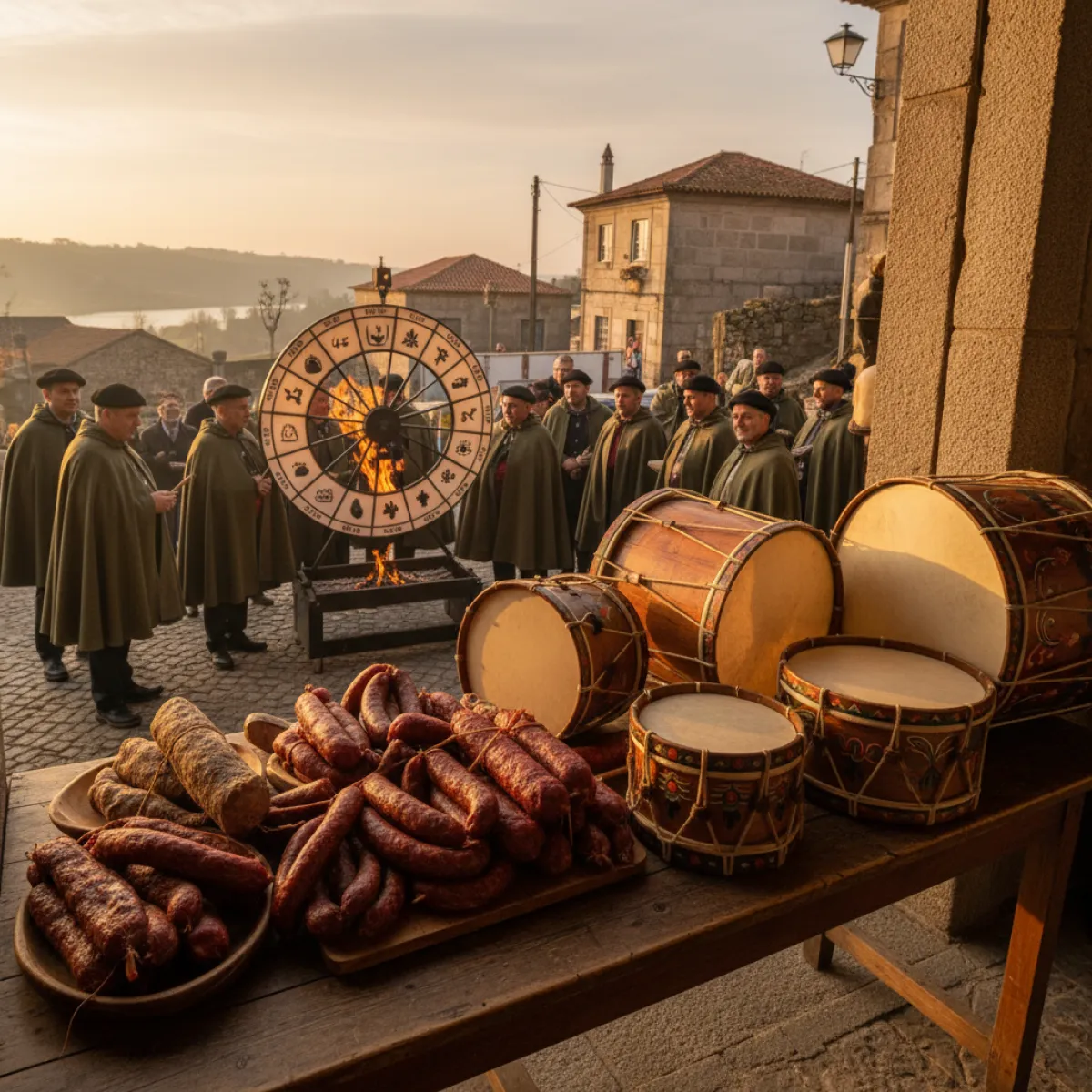
Forget the notion that Mirandela is just a strategic pit stop on the A4 highway to curb your hunger with a quick sandwich. If you enter the city with that mindset, you'll miss the very thing that makes this Transmontano enclave on the banks of the Tua pulse with life. Mirandela isn't just visited; it's experienced in seasonal shifts: one moment it smells of olive wood smoke and pork fat, the next it vibrates with the thunder of hundreds of drums that seem intent on cracking the pavement. Unlike many interior towns, Mirandela refuses to resign itself to silence. Here, the calendar is marked by noise, smoke, and a culinary stubbornness that has survived centuries of history.
March: The Smoke Ritual at the Alheira Fair
If there's one month that defines Mirandela's identity, it’s March. While the rest of the country begins to think about spring, Mirandela focuses on what truly matters: casings, bread, and olive oil. The Feira da Alheira (Alheira Fair) is not an event for sensitive stomachs or calorie counters. It’s a celebration of survival. To understand what's at stake, it’s worth reading Beyond the Alheira: Mirandela’s Culinary Resilience, which explains how a sausage invented to deceive the Inquisition became the economic engine of an entire region.
Walking through the fairgrounds near Parque do Império is like diving into a dense, aromatic cloud of smoke. Forget the industrial alheiras you find in supermarkets in Lisbon or Porto. Here, the game is different. Look for the small producers bringing their goods from the villages. The texture should be creamy, the flavor should carry the kick of garlic and the smoothness of Transmontano olive oil. Don't ask for fries; ask for regional bread and let the yellow, fragrant fat soak into the crust. This is the true breakfast of champions on this side of the Tua.
Expert Tip: Escaping the Crowd
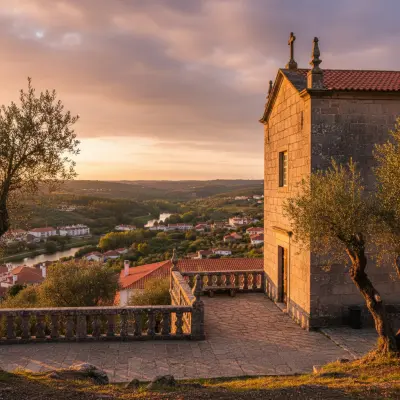
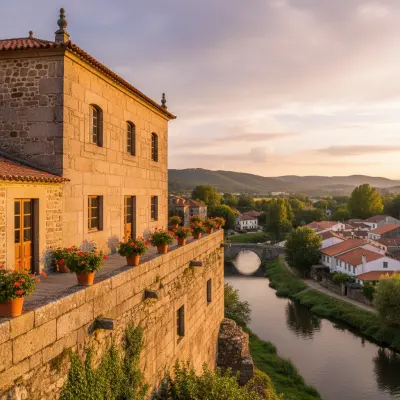
When the fair gets too claustrophobic, and believe me, it will, especially on Saturday afternoons, take a detour. Walk up to the Miradouro do Paço dos Távoras. From here, you’ll have a privileged perspective over the Tua River and its bridges, far from the hustle of the vendors. It’s the ideal spot to observe how the city organized itself around the water, ignoring the steepness of the hillsides.
August: The Big Bang and the Night of the Drums
If March is for eating, August is for making noise. The Festas em Honra de Nossa Senhora do Amparo (Festivities of Our Lady of Amparo) are the highlight of the year. Forget silent devotion; in Mirandela, faith manifests with gunpowder. The "Noite dos Bombos" (Night of the Drums) is something that must be felt physically. It’s not music; it’s a rhythmic pulse that vibrates your chest bones. Hundreds of amateur and professional drummers gather for a procession that has no set end time. It’s chaotic, it’s sweaty, and it’s absolutely addictive.
The heat in August in Mirandela is relentless. We’re talking about temperatures easily hitting 40°C (104°F). The Tua River becomes a salvation. But if you want a panoramic view of the fireworks that close the festivities, and Mirandela’s fireworks are famous for being some of the loudest and most spectacular in Portugal, my advice is the Miradouro da Igreja de São Bento. From there, the pyrotechnic display reflects on the river's water mirror, creating a mirrored effect that is well worth the climb.
The Tua as a Stage: Sport and Speed
Mirandela isn't just about ancient tradition. The city has cleverly used the water level created by the dam to become the Portuguese capital of Jet Skiing. Seeing European and World championships happening in the heart of the city is a surreal experience. Jet skis roar under the old bridge at high speed, while the terraces on Rua da República fill with people drinking ice-cold beers. It’s a fascinating contrast between the rural Mirandela and the modern city that wants to be a top-tier sports destination.
For those who prefer something calmer, canoes are a constant presence. But beware: the Tua is a river with a temperament. If you visit in winter, you’ll see a brown, impetuous force of nature; in summer, it’s a bluish lake that invites a dip, though locals know exactly where the bottom is tricky.
Winter: Reclaiming the Silence
When the August lights fade and the emigrants return to France or Switzerland, Mirandela enters a state of introspection. This is the ideal time for those seeking the authentic Trás-os-Montes. If the noise of the festivals isn't for you, consider heading a bit further north. A short drive away, you’ll find The Silence of Montesinho: A Winter Retreat in the Last Frontier of Portugal, an absolute contrast to Mirandela’s urban bustle.
In winter, Mirandela focuses on comfort. It’s the season for "Butelo com Casulas" (a bone-filled sausage served with dried bean pods), a dish that separates true fans of Transmontano gastronomy from passing tourists. Look for restaurants in the narrow streets climbing up from the Roman bridge. If the place doesn't have a roaring fireplace and the wine isn't served in a clay jug, keep looking. If you need a more thermal kind of warmth, you might want to drive to Chaves to see The Roman Legions' Legacy: Exploring the Ancient Thermal Springs of Chaves.
Logistics and Survival
- How to get there: The most practical way is by car via the A4. It’s about 1h30 from Porto. If you use public transport, the Rede Expressos bus is your best friend, but prepare for a journey that feels like it might never end.
- Where to eat: Beyond the alheira, look for Posta Mirandesa. The secret is the quality of the Maronesa or Mirandesa beef. Order it medium-rare, with just coarse salt and a drizzle of local olive oil.
- When to go: If you like crowds and pure tradition, the last week of July and the first of August. If you want to eat well without the wait, the first two weeks of March.
- Cost: Mirandela remains affordable. A full lunch at a traditional restaurant rarely exceeds 20-25 euros per person, wine included.
Conclusion: More than a stopover
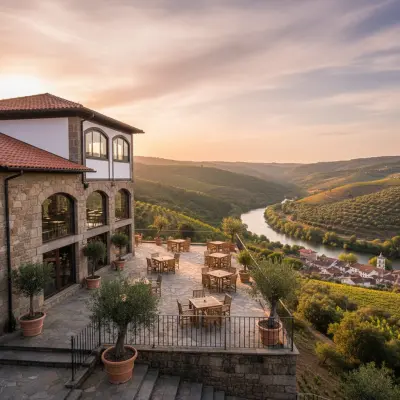
Mirandela is a city of extremes. It’s the scorching heat of August against the biting cold of January. It’s the thunder of drums against the silence of the river at dawn. If you have time, take the car and explore the surroundings. The Miradouro de Franco offers one of the best views over the valley, allowing you to grasp the scale of this land that, despite being isolated by geography, never allowed isolation to steal its voice. Go for the sausage, but stay for the noise. That’s where Mirandela reveals its true face.