Melgaço Weekend: One Grape, Thermal Water, Zero Crowds
Melgaço bottled its first varietal Alvarinho in 1982 and has naturally carbonated mineral water rising out of the ground at Peso. That is the whole pitch: seven wines on Saturday, a thermal circuit on Sunday, a 12th-century keep above the rooftops and Galicia just across the river.
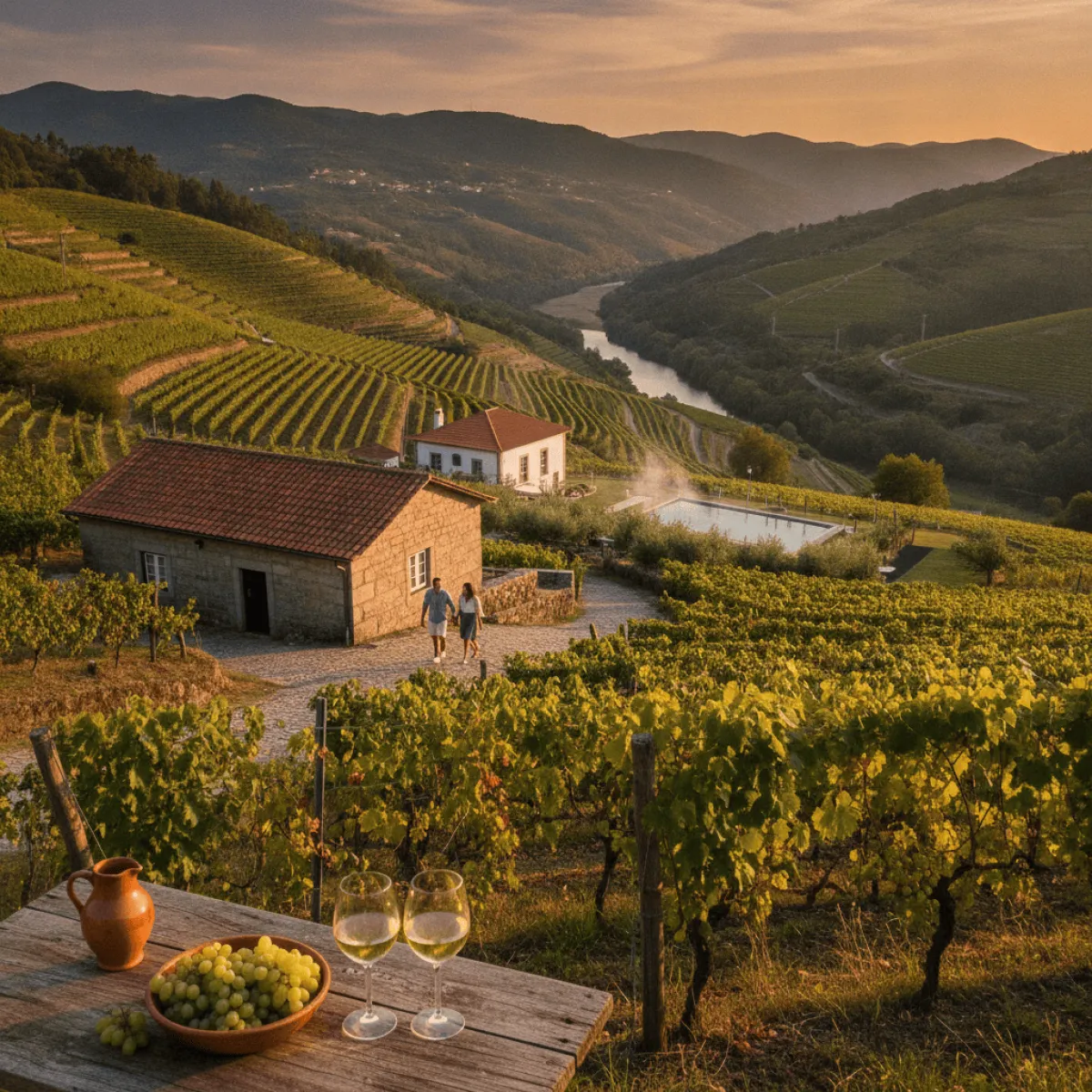
The Douro has a marketing department. Melgaço has a grape. Portugal's northernmost town sits on the river Minho, staring across the water at Galicia, and it does exactly two things at world-class level: Alvarinho wine and mineral water that comes out of the ground already carbonated. That combination, tastings by day and a thermal park by late afternoon, is the entire pitch, and it fits into one unhurried weekend. No tour buses, no timed-entry apps, no queue for a photo. Just a border town of a few thousand people that happens to make the most respected white wine in the country.
Why Melgaço earns the drive
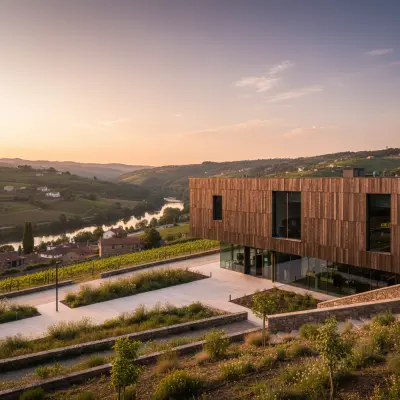
The Monção e Melgaço subzone is the historic home of Alvarinho in Portugal. Soalheiro bottled Melgaço's first varietal Alvarinho back in 1982, when the idea of giving this grape its own label seemed eccentric. Anselmo Mendes, one of Portugal's most influential winemakers, makes his Muros de Melgaço wines from these slopes. Across the river the Galicians call the same grape Albariño and built the Rías Baixas boom on it, with the prices and coach parties that follow. On the Portuguese side you get the same grape, the same green valley, and a town that still behaves like a town. If you want to drink seriously without performing for anyone, the choice makes itself.
Friday night: the whole town in thirty minutes, which is the point
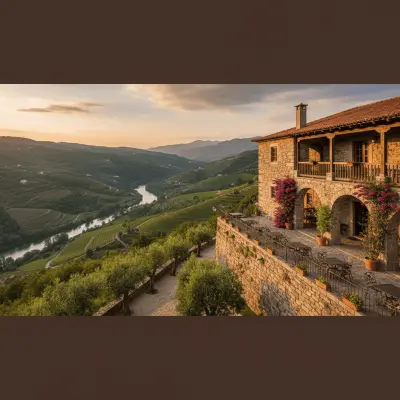
Arrive in the evening, park the car and walk up into the historic centre. The 12th-century castle keep, raised in the era of Portugal's first king, still looks down on the rooftops, and the lanes around it take twenty minutes at a stroll. This was a frontier garrison for eight hundred years, and it still feels like a place built to watch the river rather than to charm visitors. For dinner, go where the view is: Miradouro do Castelo, right beside the keep, with the Minho valley below and Galicia on the horizon. Order a glass of local Alvarinho as your baseline, because tomorrow you will learn precisely what you are drinking. Small-town hours apply, so eat early and check locally in low season.
Saturday morning: seven glasses, one grape
The classic wine-tourism mistake is tasting three grapes in three regions of the glass and learning nothing. Melgaço lets you do the opposite: depth instead of variety. The seven-wine Alvarinho tasting in Melgaço is exactly what it sounds like, seven expressions of a single grape, and it is the best wine education you will get this year. By glass three you can tell the taut, citrusy stainless-steel style from the broader wines raised on lees or in barrel. By glass five you understand why this valley's sparkling wines and aged Alvarinhos keep collecting awards. By glass seven you have opinions of your own, which is the entire purpose of the exercise.
Saturday afternoon: the cellar loop, ideally on foot
Theory done, move to fieldwork. The self-guided Alvarinho cellar loop lets you set your own pace, which in wine country is a rare luxury: nobody rushes you, nobody recites a memorised script, and whoever is driving this weekend gets to participate instead of watching. If the weather turns, the Solar do Alvarinho in the historic centre gathers producers from across the municipality under one roof and works as an efficient plan B. One practical tip nobody volunteers: buy bottles here. Many of Melgaço's small producers have limited distribution, and cellar-door prices make the boot space worthwhile.
The museum you did not see coming
Between the morning tasting and dinner, there is a stop that reads like a typo and is not. Melgaço, a border town you can cross on foot in minutes, has a genuine cinema museum: the Museu do Cinema de Melgaço, built from the collection that French film critic and historian Jean-Loup Passek donated to the town. Magic lanterns, early projectors, posters, the whole prehistory of the moving image, the kind of holdings you would expect in Lisbon or Lyon, not two kilometres from the Spanish border. In August the MDOC documentary festival brings filmmakers to the municipality, but check opening days locally before you plan around it: rhythms here are small-town, not metropolitan.
Sunday: sparkling water, straight from the ground
Now the second half of the promise. A few kilometres from town, at Peso, naturally carbonated mineral water rises from the earth and has been put to use since the 19th century, when thermal cures turned this valley into a resort for the ailing and the fashionable. Água de Melgaço, bottled here, is among Portugal's oldest mineral water brands. The thermal park at Peso keeps its old-world outline, period buildings under tall trees, and rewards a slow walk even if you book nothing. If you do book, the spa runs wellness circuits and treatments, and after a full Saturday of Alvarinho a thermal morning is less an indulgence than a public health measure. Prices, hours and bookings shift with the season, so check locally and reserve ahead, especially in summer.
If it is hot: the river is the best terrace in town
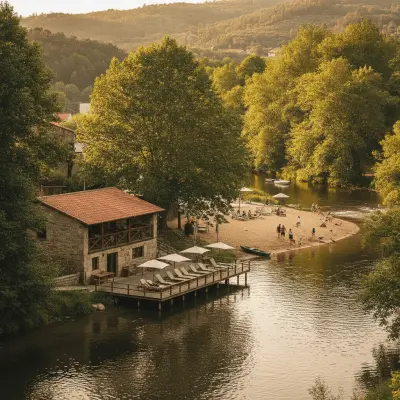
From June to September, add one more chapter. Praia Fluvial do Louridal is Melgaço's river beach, and it answers a question nobody thinks to ask in the Minho: where do you swim when the ocean is an hour away? The water is cold, the green is everywhere, and the biggest decision of the afternoon is whether the swim comes before or after the nap. Bring sandals, bring tolerance for the water temperature, leave the schedule in the car.
What to eat, and in which month
Melgaço eats by calendar, and you should know it before booking. From January to April the star is lamprey from the river Minho, served above all as a rich rice dish, a cult plate that splits families down the middle: you either love it or you flee. First-timers should order a half portion with a very cold Alvarinho alongside, because the wine's acidity was made for that sauce. The rest of the year belongs to the local smoked meats and presunto, with roast kid goat on feast days. In late April the Festa do Alvarinho e do Fumeiro puts the town's two religions in one venue, producers, plates and the busiest streets Melgaço ever sees; dates move year to year, so confirm before building a trip around it.
Logistics, no padding
You need a car. From Porto count on roughly two hours: the A3 motorway north, then the national road that hugs the river Minho, one of the prettiest stretches of driving in the northwest, with Galicia in view on the far bank the whole way. There is no train to Melgaço, so abandon any romantic rail plans now. If you leave Porto with time to spare, a detour through Barcelos for a properly made coffee before the motorway turns the drive into a decent day in itself. On budget: Melgaço is honest. Rooms and meals run at inland-Portugal prices, tastings cost what a small town charges rather than what a famous wine route extracts, and the bottle that costs a small fortune in a Lisbon restaurant leaves the cellar door here for a fraction of it. Best window: April to October for the full programme, January to March for lamprey and a valley you will have almost to yourself. And since the international bridge crosses to Arbo in Galicia, you can eat lunch in Spain and still make your afternoon thermal circuit. Few weekends in Portugal close the loop this neatly: one grape in the morning, carbonated water from the ground in the afternoon, and a border river doing the work of a horizon.