Mafra Market Crawl: What to Buy, Taste, and Skip
Two municipal markets, one open-air fair, and the best bread you've probably never tried. A stall-by-stall route through Mafra with clear rules on what's worth it, what's a trap, and what has to come home with you.
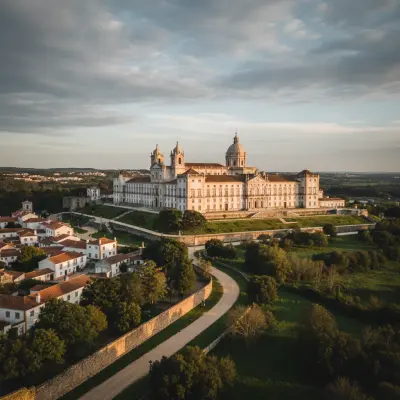
There's a wrong way to visit Mafra: arrive, stare at the Palácio Nacional de Mafra, take a photo, drive back to Lisbon. The right way starts with an empty tote bag and an appetite. Because Mafra, the entire municipality stretching from Ericeira's fishing harbour to the Saloia farmland inland, has a market circuit that tells you more about the region than any audio guide ever could.
This is a route for people who want to eat, smell, taste, and carry things home. Three stops, one full day, and clear rules: what's worth your money, what's a trap, and what you absolutely cannot miss.
First stop: Ericeira Municipal Market
Start early. By eight in the morning, the ground floor of the Mercado Municipal da Ericeira is already in full swing. Ericeira remains a working fishing port, and the fish market shows it: sea bass, bream, gleaming mackerel, fresh octopus. The women behind the counters have opinions about what you're going to cook and won't hesitate to tell you whether that fish is better grilled or in a caldeirada stew. Let them talk. They're usually right.
What to buy on the ground floor: whole fish, preferably whatever arrived that morning. Ask them to clean it on the spot. Sardines when they're in season (May to October), horse mackerel always. Octopus if you're planning a rice dish over the weekend.
What to skip: vacuum-packed shellfish that occasionally appears at a side stall. If you want fresh shellfish, buy it alive or don't buy it.
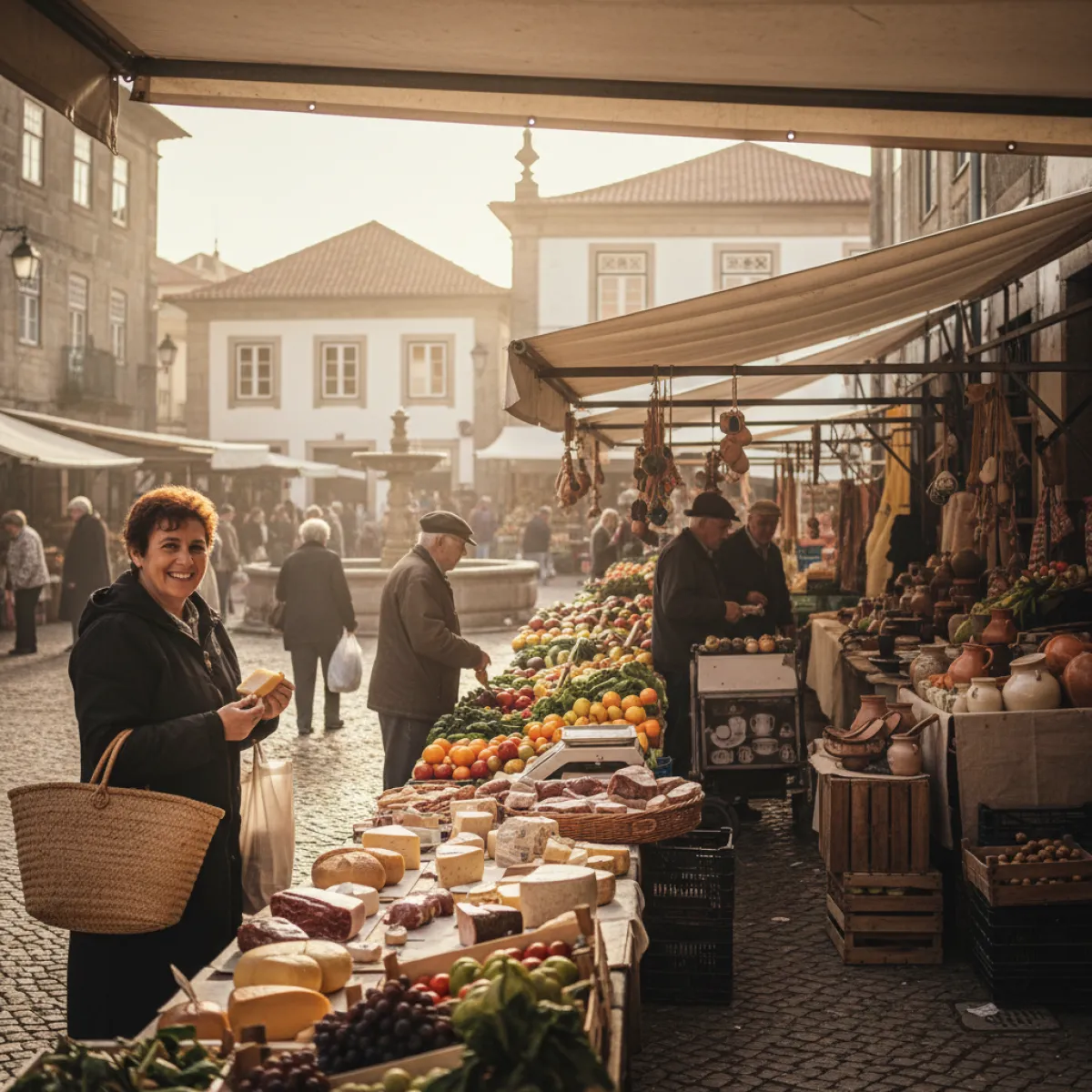
Head upstairs to the first floor. Here you'll find fruit, vegetables, and products from the Saloia region. Mafra belongs to what's historically called the Região Saloia, the agricultural belt that fed Lisbon for centuries, and you can still see it: enormous cabbages, honest turnips, potatoes with dirt still on them. No pretty packaging. Direct produce, often from farms just a few kilometres away.
The top floor has local crafts from across the municipality. Be selective here. Handmade ceramics from local producers, yes. Fridge magnets with surfers on them, keep walking.
Before leaving Ericeira, make a detour for lunch. Prédio Ericeira is a solid option for eating well in town. If you'd rather eat light, grab the bread you'll be buying at the next stop and build a picnic from your market haul.
Second stop: Mafra Municipal Market
The Mercado Municipal de Mafra has been renovated into a three-storey building that doubles as a traditional market and a food destination. It's a few minutes' walk from the Palace, right in the centre of town.
Inside, the stalls keep the classic format: fruit, vegetables, regional cheeses, cured meats. Here, two products are non-negotiable.
Pão de Mafra: accept no imitations
Pão de Mafra is possibly the most underrated bread in Portugal. It's oblong, flattish, with a distinctive fold at one end. The crust is thin and soft, the crumb moist with irregular air pockets. The flavour carries a faintly salty edge, the result of grains grown near the Atlantic coast where sea wind marks the soil.
Since 2012, Pão de Mafra has held trademark status. To be authentic, it must be produced in the municipality using local ingredients and baked in a traditional masonry oven. This means the "Mafra-style bread" you find in Lisbon supermarkets is not the same thing.
Buy it at the market, directly from the baker. And eat it the same day: with butter at breakfast, with fresh cheese at lunch, torn apart with olive oil at dinner. By the next day, it's a different bread entirely.
Saloia cheeses and cured meats
At the cheese stalls, look for fresh local cheese, cured sheep's cheese, and requeijão (a soft whey cheese). The Saloia cured meats are less famous than those from Alentejo or Trás-os-Montes, but they have their own character. Chouriço, morcela (blood sausage), farinheira. Ask to taste before buying. Any serious vendor will let you.
What to skip: industrial jams with "artisanal" labels. If the jar looks too perfect and the price too low, it probably came from a factory 200 kilometres away. Go for the homemade preserves with handwritten labels, or no labels at all.
The terrace with a view
The renovated market has a cafe with an outdoor terrace facing the Palácio Nacional de Mafra. It's a good spot for a coffee after shopping. The coffee itself is standard market fare, nothing special. But the view of the baroque facade with a galão in hand is one of Mafra's small, free luxuries.
Third stop: Crafts and Regional Products Fair
If your visit coincides with the first weekend of the month, between April and October, you're in luck. The Feira de Artesanato e Produtos Regionais sets up on Terreiro D. João V, the grand square in front of the Palace, from 9am to 6pm.
The format here is different: open-air stalls, individual producers, and a mix of crafts, liqueurs, fruit, honey, and cheese. It's more informal than the municipal markets and therefore more unpredictable. Some weekends have excellent stalls; others are thinner.
What to look for: homemade liqueurs (ginjinha, blackberry liqueur, medronho), local honey, and pottery. The liqueurs typically run between €5 and €12 a bottle. The honey is almost always good.
What to skip: scented artisanal soaps you can find at any fair in the country. And generic costume jewellery that has nothing to do with Mafra.
The sweets that matter
Mafra has a pastry tradition that most visitors don't know about. Three names to note: Ouriços da Ericeira, Trouxas da Malveira, and Pastéis de Feijão de Mafra. Each has its own recipe tied to a specific bakery or parish tradition.
The Pastéis de Feijão are the easiest to find: puff pastry with a sweetened white bean filling. Sounds strange, works beautifully. If you're visiting during Easter, our guide to Easter sweets in Mafra goes deeper into the seasonal pastry traditions.
At the markets, always ask whether the sweets are locally made. The honest answer separates what's worth buying from what's filler.
After the shopping: what to do with the rest of the day
Bags full and legs tired, you have options. If you want to stay outdoors, Jardim do Cerco, behind the Palace, is one of the most beautiful historical gardens in the Lisbon region and the perfect place to digest a heavy lunch. Shaded benches, water features, and almost always quieter than the Palace interior.
For serious walkers, the Tapada Nacional de Mafra is a nature reserve with over 800 hectares of forest, deer, and wild boar. There are marked trails and, depending on the season, guided walks. It's the logical extension of a day devoted to what Mafra's land produces.
If the day is hot and you'd rather be near the sea, Parque de Santa Marta offers a good coastal counterpoint, though it's outside the Mafra municipality.
Practical notes
The Ericeira Municipal Market operates mornings, and early is best for the freshest fish. The Mafra Municipal Market keeps traditional market hours. The Crafts Fair runs 9am to 6pm, first weekend of the month only, April through October. Check exact dates on the Mafra municipality website before you go.
By car from Lisbon, it's about 40 minutes via the A8 or IC19. Parking in Mafra town is relatively easy outside of weekends. In Ericeira, during summer, that's another story: arrive early or be prepared to circle.
Budget for the day: count on €20-€40 for market shopping (bread, cheese, cured meats, fruit, sweets) plus whatever you spend on meals. A decent lunch in Ericeira or Mafra runs €12-€25 per person, depending on the fish.
The best time for this route is May through October, when the monthly fair is active and the markets have more variety. But even in winter, the municipal markets are open and Pão de Mafra tastes even better alongside a hot bowl of soup.