Lisbon in July: How to Beat the Heat with Style
By midday the granite cobblestones give back all the heat they soaked up in the morning and climbing to the Castle becomes a punishment. But there is a right rhythm to a July day in Lisbon: rise early, hide in the museums and gardens at noon, and come back out when the sun softens.
July in Lisbon does not forgive amateurs. By midday the granite cobblestones give back all the heat they soaked up in the morning, the asphalt on Avenida da Liberdade shimmers, and the tourists who insist on hiking up to São Jorge Castle at two in the afternoon arrive the colour of a boiled prawn and full of regret. The city was built on seven hills precisely to punish us with climbs, and in high summer that becomes an endurance sport. But Lisbon locals know something the guidebooks won't tell you: there is a right rhythm to the day, and those who respect it sail through August cool as a cucumber.
The golden rule is simple. The genuinely hot hours, between noon and five in the afternoon, are not for being outdoors. They are for thick stone, tree shade, or somewhere near water. The rest of the day is yours. Here is the itinerary I follow when the thermometer pushes past 35 degrees and I still want to see the city without melting.
Morning: move before the sun takes charge
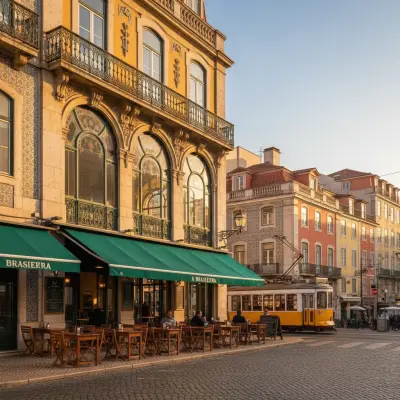
Wake up early. I know you are on holiday, but in a Lisbon summer seven in the morning is the best hour of the day. The air still holds some of the coolness the river brought overnight, the streets are empty, and the light is golden instead of white and aggressive. Start with a plain coffee at the counter, the local way. A Brasileira in Chiado is the obvious choice and, yes, it is full of tourists photographing the Fernando Pessoa statue out front. But arrive before nine and stand at the counter, as tradition demands, and a strong espresso costs you barely a euro and you catch the place in one of its rare breathing moments. Sit on the terrace and the price triples; stand at the bar and you are a local.
With caffeine in your system, it is time to climb a hill while the air is still breathable. The Miradouro da Senhora do Monte in Graça is the highest in the city, and early in the morning it is almost entirely yours. From here you see everything: the Castle in the foreground, the Cathedral, the 25 de Abril bridge in the distance and, on clear days, the far bank of the Tagus shimmering on the horizon. There are pines that give real shade and stone benches that are still cool at that hour. Bring a pastry from any neighbourhood bakery and you have the best breakfast in Lisbon for under three euros. By afternoon this viewpoint fills up and the sun beats down hard, so the trick really is the timing.
Mid-morning: culture is cool indoors
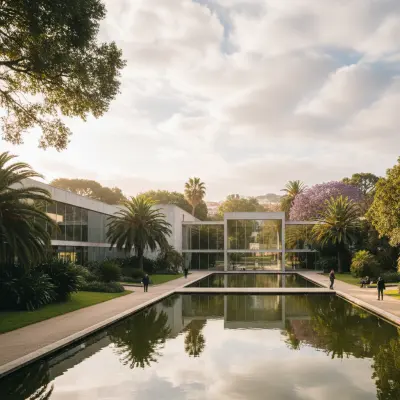
When the temperature starts to bite, around half past ten, it is time to get inside thick stone. And here Lisbon has a wonderful trick: the best museums are also the coolest buildings in the city. The Calouste Gulbenkian Museum is my first choice on furnace days, and not only for the collection, which is breathtaking, with painting, goldwork and an entire room devoted to the jeweller René Lalique. The real secret is the gardens. The Gulbenkian park is one of the best designed green spaces in Europe, with lakes, ducks, and dense shade that drops the temperature several degrees the moment you walk in. You can spend a whole morning alternating between the air-conditioned galleries and the benches by the water. Admission is around ten euros and the garden is free, always.
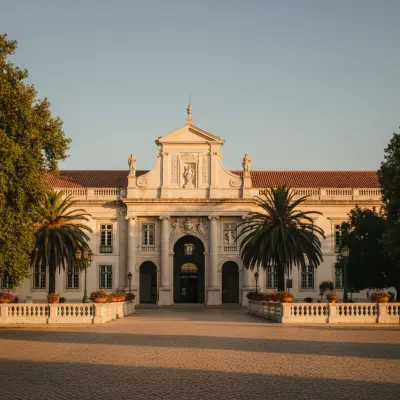
If you prefer a dose of old master painting with a view of the river, the National Museum of Ancient Art in Santos is the alternative few tourists know about. It holds the Saint Vincent Panels, the Temptations of Saint Anthony by Bosch, and a garden terrace facing the Tagus where you can have a long, breezy lunch. It is one of those places where Lisbon locals escape the crowds. The galleries are wide, cool and rarely packed. Step out onto the café terrace and you have one of the best lunches-with-a-view in the city, far from the centre's noise.
Lunch: eat fast, eat well, eat light
At lunch in the full heat, the last thing you want is a heavy three-course meal. The Lisbon solution is the bifana, that miracle of pork marinated in garlic and white wine, served in a soft roll that soaks up the sauce. As Bifanas do Afonso, near Rossio, makes one of the best in the city: you eat standing in seconds, it costs a little over two euros, and it goes down with a well-chilled draught beer. It is quick, it is cheap, and it leaves you with energy to carry on. Avoid the tourist restaurants with laminated photos of the dishes by the door, especially in the Baixa. You pay fifteen euros for a reheated cod that nobody at home would eat.
After lunch, and this is non-negotiable, do as southerners do and rest. Two until four in the afternoon are for sitting in the shade of a kiosk. Lisbon's kiosks are an institution revived over the last decade, small iron pavilions in gardens and squares where you drink a lemonade, a ginjinha or a sparkling water under old trees. The one in the Príncipe Real garden, beneath the enormous century-old cedar whose branches form a natural parasol almost twenty metres across, is my favourite. Sit there with a book, order a mazagran, which is iced coffee with lemon, and let the worst hour of the day pass. It costs under three euros and buys you two hours of peace.
Afternoon: gardens, shade and water
In mid-afternoon, with the sun still strong, the strategy is to stay under green. Beyond Príncipe Real, the Estufa Fria in Parque Eduardo VII is worth knowing, a covered, shaded garden where you wander among ferns, streams and tropical plants at a mild temperature year round. It is one of the most underrated spots in the city and rarely crowded. Another option, if you have a car or catch transport, is the Ajuda Botanical Garden, older and more formal, with stone tanks and huge trees.
For those with more legs in them who want to move, there is the option of exploring the riverfront when the breeze off the water starts to blow in the late afternoon. The zone along the Tagus is always several degrees cooler than the inland city, and the smartest way to cover it is on two wheels. The riverside cycling route along the waterfront takes you from Belém to the centre on almost entirely flat ground with the wind in your favour. If the idea of climbing hills in the heat scares you, and it should, there is also the downhill route from the top of the city down to the river, which does all the hard part with gravity on your side. It is the most civilised way to see Lisbon on a hot day: always downhill, breeze on your face, and you reach the river without a drop of sweat.
If you want to better understand the neighbourhoods you are walking through and the life inside them beyond the terraces, it is worth reading our guide to Lisbon traditions and neighbourhoods first, which helps you tell the difference between tourist theatre and real neighbourhood life.
Early evening and night: the city breathes
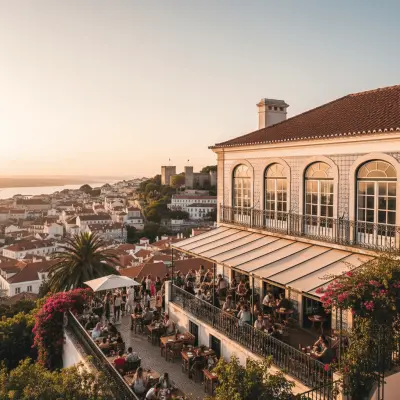
Around seven in the evening, Lisbon becomes another city. The sun drops, the heat eases, and the hills are walkable again. This is the time to return to a viewpoint, but now for sunset, with a bottle of vinho verde bought from the supermarket and plastic cups, the way young Lisboners do it. Going back to Senhora do Monte at the end of the day, with the sky turning from gold to pink over the rooftops, is one of the things that makes summer in this city not just bearable but beautiful.
Dinner should be late, southern style. At half past nine tables are still filling up. And a summer night in Lisbon calls, at least once, for a proper fado house. O Faia in Bairro Alto is among the oldest and most respected houses, with professional fado singers and dinner included. It is not cheap, expect considerably more than an ordinary meal, but it is a night you keep. Book ahead and go hungry and unhurried: the fado starts late and is not served in a rush.
For the days you want to escape the city
If Lisbon's heat finally defeats you, remember the mountains are forty minutes away by train. Sintra is several degrees cooler than the capital almost all year, thanks to the ocean humidity and the dense forest covering the hills. On a scorching day, swapping the Baixa for the gardens of the town is the best decision you can make. Our guide to Sintra's neighbourhoods shows how to dodge the crowds at the Pena Palace and find the corners where you are genuinely cool and alone. And if you are after a trip with flavour, the sweet-making tradition of nearby Mafra is another possible escape: our guide to Mafra's sweets proves the region has far more than its convent.
The essentials for not melting
- Hydrate constantly. There are public drinking fountains all over the city. Carry a bottle and fill it.
- Respect the siesta. Don't try to see monuments between noon and four. You will suffer and see badly.
- Wear real shoes. Portuguese cobblestone is beautiful and treacherous, and in the heat your feet swell.
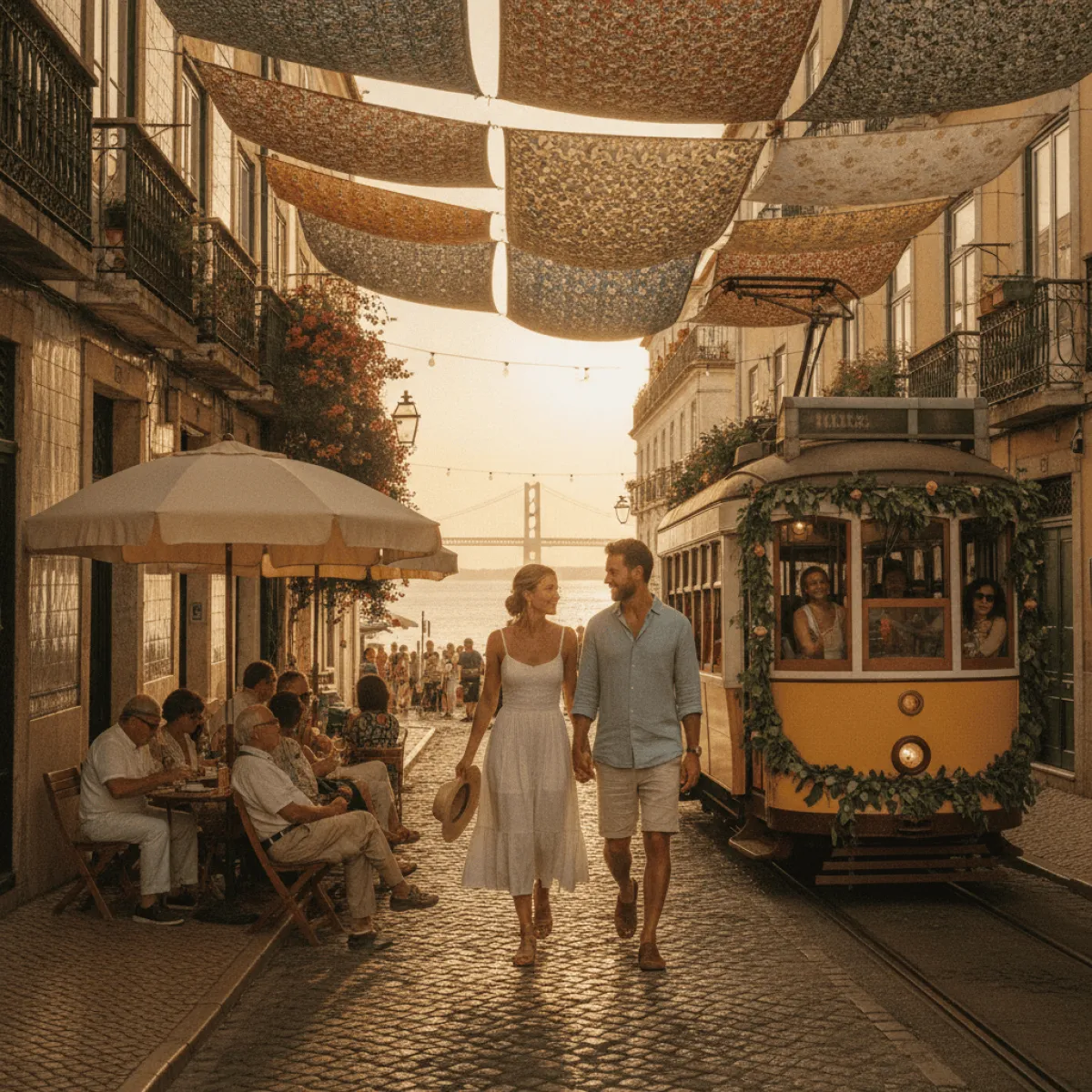
- Use the transport. Tram 28 and the lifts spare you brutal climbs. Just avoid them at peak tourist hours.
- Eat when locals eat. Lunch at one, dinner at nine. Restaurants serving at six in the evening are for tourists.
Lisbon in summer is not a city to conquer by forced march. It is a city to manage, with intelligence and the right rhythm. Get up early, hide during the heat, and come out again when the sun softens. Do that and July turns from enemy to accomplice, and you go home feeling you understood the city rather than rushed through it.