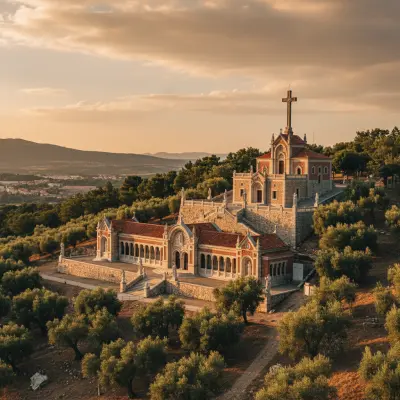
Fátima Beyond the Basilica: The Side Nobody Sees
Most visitors to Fátima never leave the Sanctuary perimeter. Fifteen minutes away, Ourém Castle and its medieval village tell a story that begins centuries before the apparitions. The Valinhos olive groves at 8am are another world entirely.
Let me be blunt: most people who visit Fátima don't actually visit Fátima. They visit the Sanctuary. They step off the bus, cross the esplanade, light a candle, buy a plastic-wrapped statue of Our Lady, and get back on the bus. Nothing wrong with that, everyone's pilgrimage is their own. But if you think Fátima is just that rectangle of white concrete and crowds clutching rosaries, you're missing half the story.
I know because I thought the same for years. I grew up driving past Fátima on the A1, glancing at the Basilica's towers like a distance marker. "Fátima, one hour to Lisbon." It took a friend dragging me off the motorway to discover what lies beyond the Cova da Iria. What I found was a landscape of limestone and olive groves, villages with their own rhythm, and a history that starts long before 1917.
Ourém Castle and the Medieval Village Time Forgot
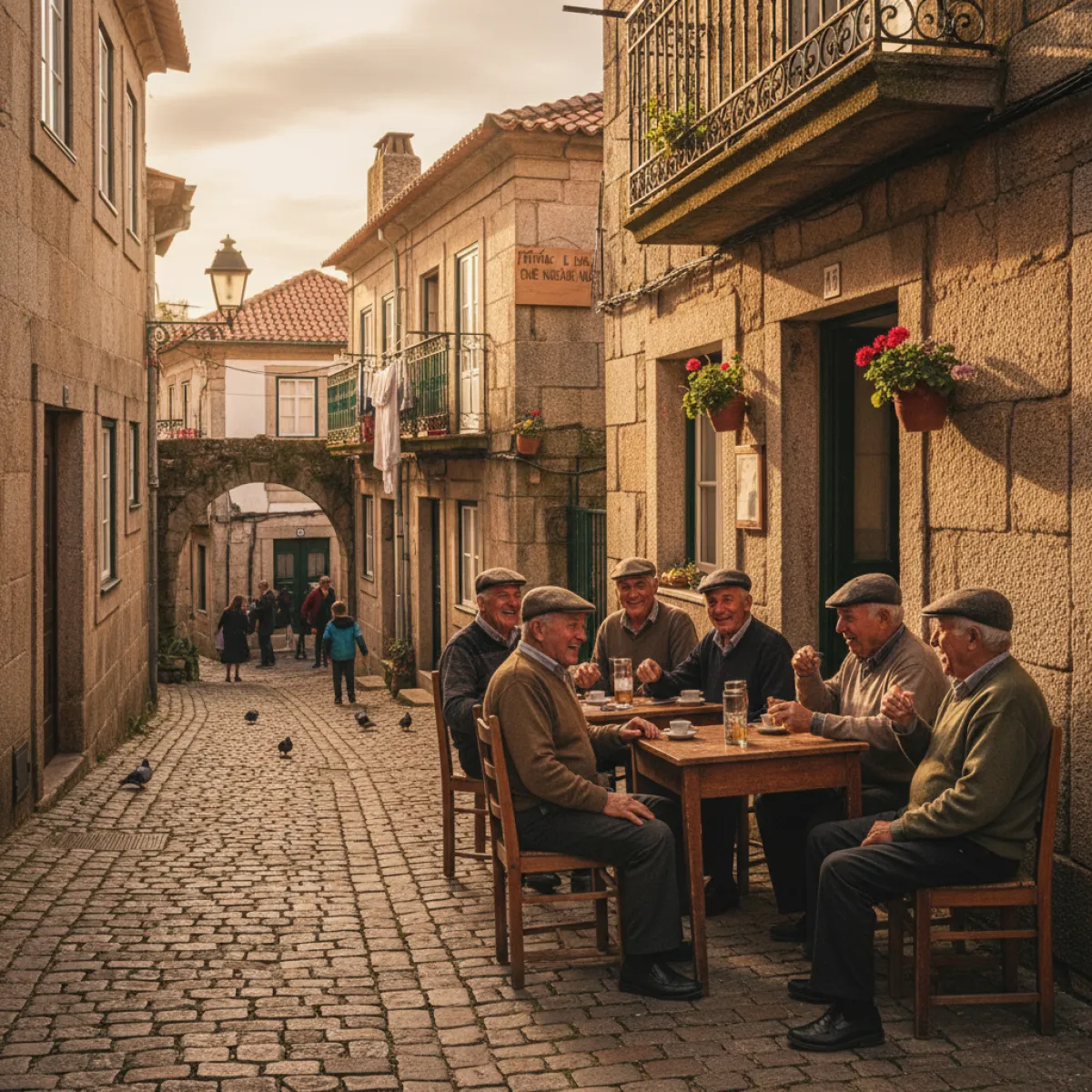
Less than fifteen minutes by car from the Sanctuary, Ourém Castle sits on a hilltop as if it's been there since the beginning, and in a way, it has. The walls date from the 12th century, rebuilt by Dom Afonso, Count of Ourém, in the 15th, and the medieval village that spills down the slope below is the kind of place that makes you pocket your phone and just walk.
The lanes are narrow, paved with uneven stone, lined with restored houses that still keep their original doorframes. The Count's crypt inside the castle, late Gothic with Mudéjar influences you don't expect in central Portugal, justifies the climb on its own. If you want proper context rather than wandering aimlessly, the archaeological roots experience through Ourém Castle gives you a perspective no information panel can match.
My advice: go in the late afternoon. Not for the Instagrammable sunset (though it helps), but because the low-angle light on the limestone walls makes every architectural detail pop. And because, by then, the few visitors have headed downhill and you'll have the place almost to yourself.
The Valinhos Olive Groves: Where Faith Meets Landscape
Valinhos sits about two kilometres from the Cova da Iria, on the road to Aljustrel, the hamlet where the three shepherd children lived. According to tradition, this is where the August 1917 apparition took place, after the children had been detained by the local administrator (a side story worth knowing).
But what brought me back to Valinhos wasn't the religious history. It was the olive trees. The Olivais area is one of the most beautiful landscapes in the centro region, hundreds of olive trees arranged across a gentle hillside, with dirt paths threading between them. It's a place for walking slowly, with no hurry and no fixed destination. Walking the Valinhos olive groves is one of the best ways to see this rural Fátima, far from the noise of souvenir shops.
If you go early, I mean 7:30, 8am, you might cross paths with local shepherds and not much else. The quiet is real, not staged. Bring water and comfortable shoes, as the terrain gets uneven in spots. There's no ticket, no gate: just walk in and go.
Aljustrel: A Village That Hasn't Changed As Much As You'd Think
Aljustrel is where Lúcia, Francisco, and Jacinta were born. Their family homes have been turned into small museums, modest, genuine, giving you a concrete picture of how rural Portugal lived in the early 20th century. Tiny bedrooms, whitewashed walls, a kitchen where an entire family gathered.
But what interests me more about Aljustrel is what surrounds the museum-houses. The village maintains a rural pace that contrasts sharply with the Sanctuary's bustle. There are vegetable gardens, chickens, old men sitting by their front doors. It's a Portugal that still exists but rarely shows up on tourist itineraries.
From Aljustrel to the Sanctuary is about twenty minutes on foot via the "Caminho dos Pastorinhos" (Shepherds' Path), a signposted route through fields and small chapels. I recommend walking it rather than driving, that's where you start to feel the contrast between monumental Fátima and rural Fátima.
The Hungarian Calvary: A Memorial Almost Nobody Knows
This is my trump card when someone tells me they've seen everything in Fátima. The Hungarian Calvary is a sculptural ensemble donated by the Hungarian Catholic community, set in the Sanctuary grounds but far enough from the main area that most visitors walk right past it.
The Stations of the Cross were carved in bronze and stone, in an expressionist style that jars with everything else at the Sanctuary. There's an intensity in the figures, contorted faces, dramatic gestures, that reflects Hungary's tragic 20th-century history. It's religious art, yes, but it's art first. And the fact that it sits there almost hidden, between trees and garden benches, gives it an intimacy that the Sanctuary's grand spaces can't offer.
It's permanently open, free of charge. Ten minutes on foot from the Basilica of the Holy Trinity. If you only have time for one detour from the standard route, make it this one.
Where to Eat (Properly)
I'll be honest: the restaurants immediately surrounding the Sanctuary are mostly engineered to process groups of pilgrims through fixed-price tourist menus. Functional, rarely memorable. To eat well in Fátima, you need to leave the epicentre.
Look for restaurants on the road to Ourém or in the surrounding villages. The local cooking draws from Beira and Estremadura traditions, roast kid goat, migas, thick vegetable soups, fresh goat's cheese. Tejo wines, chronically underrated next to Alentejo or Douro labels, pair well with all of it and cost a fraction of the price.
My practical advice: avoid any restaurant with a laminated photo menu by the door. In Ourém's old village, there are a couple of petiscos places with half a dozen tables serving honest food at fair prices, ask locals when you arrive, since ownership changes fairly often. A full lunch with wine in the area runs between €12 and €18 per person, which in 2026 is almost a miracle in itself.
How to Plan Your Visit
Fátima has frequent bus connections from Lisbon (around 1h30 via Rede Expressos) and Porto. If driving, the A1 gets you there in under ninety minutes from Lisbon. Free parking exists near the Sanctuary, but on the 13th of each month, especially May and October, prepare to walk.
My ideal one-day itinerary:
- Early morning: walk the Valinhos olive groves and visit Aljustrel
- Mid-morning: Sanctuary, Basilica of Our Lady of the Rosary, Chapel of the Apparitions, Hungarian Calvary
- Lunch: leave the Sanctuary perimeter, eat in the direction of Ourém
- Afternoon: Ourém Castle and medieval village
- Return in the late afternoon
With two days, you can expand to explore the surrounding hills and the Moeda Caves (about ten minutes from Fátima), a limestone cave system with stalactites that's worth the visit, especially with kids.
The Bigger Picture
Fátima sits at Portugal's geographic heart, which makes it a surprisingly good launching point for exploring the centro region. If you're putting together a week-long itinerary through the heart of the country, it makes sense to spend a day here before heading to Tomar, Batalha, or Coimbra, where, incidentally, the street art reshaping the Alta district is one of the best artistic surprises in central Portugal.
If you prefer something more active, the Caldas da Rainha area, less than an hour away, has excellent walking trails, particularly in spring.
Fátima doesn't need anyone to manufacture mystique for it. It has medieval history, authentic rural landscape, solid regional cooking, and yes, one of the world's largest pilgrimage centres. The problem was never a lack of things to see, it was a lack of curiosity to look sideways. Hit the road. But this time, step outside the rectangle.