Walking the Valinhos Olive Groves in Fátima: A Local Guide
Walk through century-old olive groves in Valinhos led by a direct descendant of the shepherd children. This three-hour experience reveals Fátima's quietest and most authentic side, far from the Sanctuary crowds.
The Other Side of the Crowd
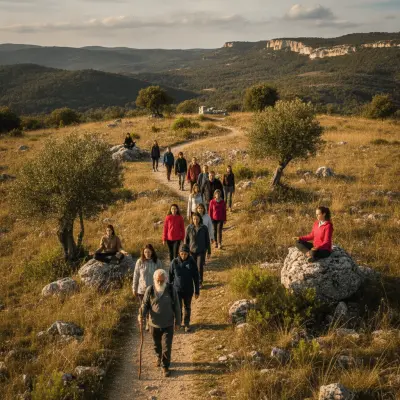
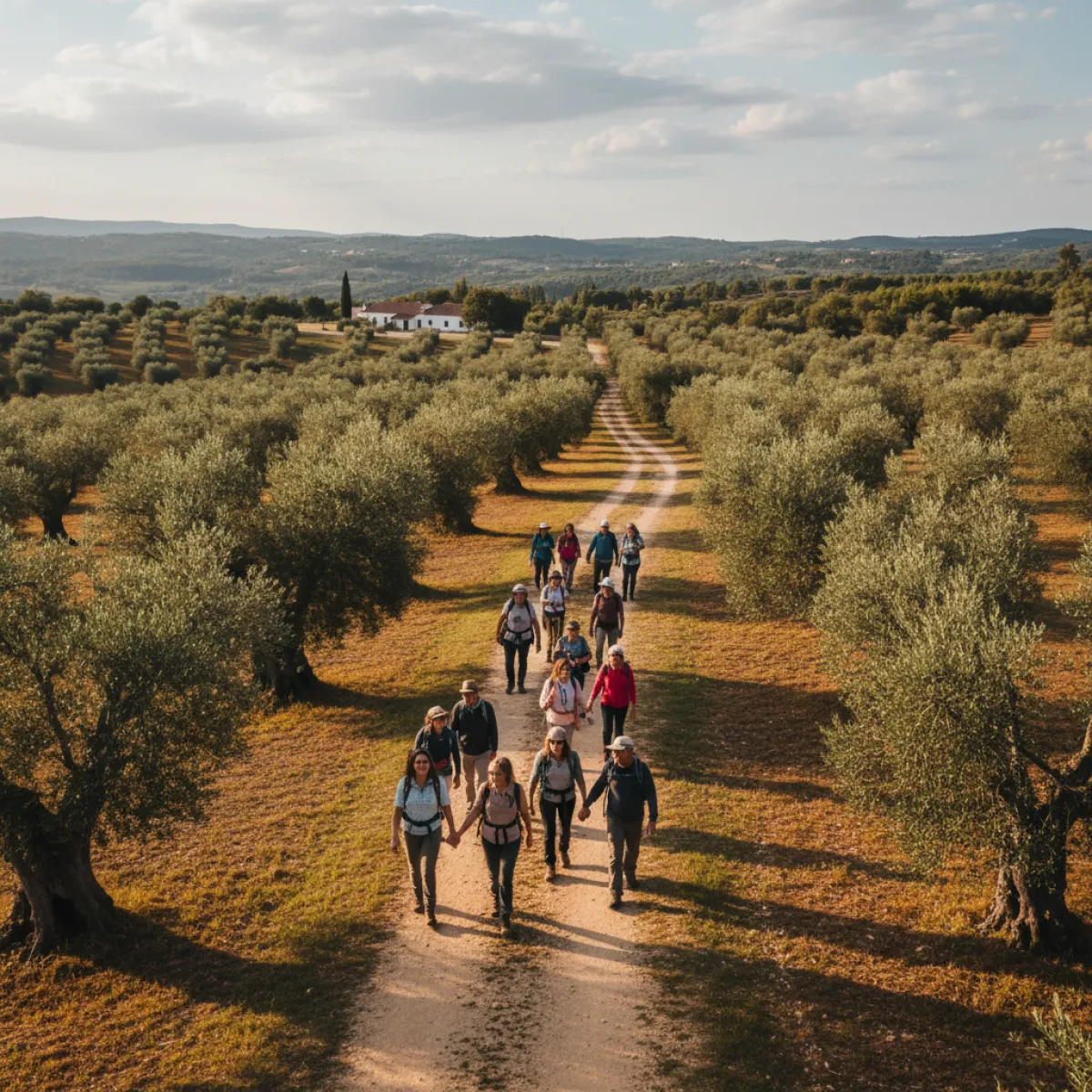
Most first-time visitors to Fátima spend their time on the white limestone of the main Sanctuary. It is the core of the experience, the final destination, but it is not where the story truly began. To understand the events of 1917, you need to put on comfortable shoes and walk about two kilometers south toward Valinhos. Here, concrete gives way to red earth and loudspeakers are replaced by the sound of the wind moving through the olive trees. This isn’t a quick bus stop; it is an immersion into the rural landscape that shaped the lives of the three shepherd children.
The best way to navigate these paths is with someone who knows the details that history books often skip. Raízes de Fátima, a project led by Eliana Oliveira, offers a perspective few other operators can match. Eliana is a direct descendant of Francisco and Jacinta Marto’s family, and that blood connection transforms the walk into a personal, almost intimate family account of the resistance and simplicity of an isolated village in the early 20th century.
Starting Point: Aljustrel
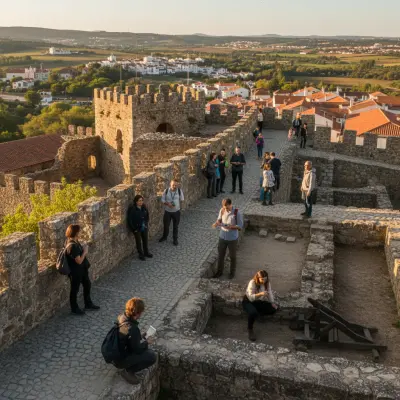
The experience typically begins in the village of Aljustrel, just over two kilometers from the Sanctuary. Unlike the modern city area, Aljustrel preserves the limestone houses and narrow streets where Lúcia, Francisco, and Jacinta grew up. Visiting the preserved childhood homes is a necessary step to understand the contrast between the harsh country life and the global scale the site eventually reached. However, the real interest of this walk begins when we leave the houses behind and enter the fields of Valinhos.
This route follows the Way of the Cross, but forget the heavy, somber monuments of other pilgrimage sites. Here, the path is lined with dry stone walls and olive trees that, in many cases, were already there when the children tended their flocks. The morning light is particularly special in this area; the silver of the olive leaves shines differently, and the temperature is ideal for the light physical effort the terrain requires.
Architecture Among the Olives
As we climb gently, we come across the stations of the Hungarian Way of the Cross. It is impossible not to notice the aesthetic difference between these structures and the rest of the Fátima complex. If you are curious about how these buildings impact the landscape, it is worth reading our guide on Sacred Silence: The Modernist Architecture of Fátima's Lesser-Known Chapels, which explores how these structures integrate into the environment without dominating it. The Hungarian Calvary at the top of the hill offers one of the clearest views over the Ourém region, making it the perfect spot for a break before heading down to Loca do Cabeço.
Loca do Cabeço is, for many, the most powerful point of the walk. It is where the Angel of Peace is said to have appeared to the shepherds in 1916. The site is sheltered by natural rock formations and low-hanging olive trees, creating a natural amphitheater that invites reflection regardless of your personal beliefs. It is a space that maintains a human scale, far from the monumentality of the Basilica.
The Fourth Apparition and the Return to Basics
The journey culminates at the site of the fourth apparition, which took place on August 19, 1917. Unlike the other apparitions, which happened at Cova da Iria (where the Sanctuary stands today), this one occurred here among the trees because the children had been prevented from going to the usual site by local authorities. There is something profoundly authentic about standing in the exact spot where history diverged from the original plan. The monument marking the spot is discreet, respecting the surrounding olive groves.
A walk with Raízes de Fátima doesn't just focus on religious landmarks. Eliana explains the agriculture of the time, the importance of sheep herding, and how the landscape has changed over the last hundred years. It is an outdoor local history lesson where you learn about the hardness of mountain life and the resilience of a community that lived off what the land provided.
Practical Tips for the Walker
- When to go: Avoid the 12th and 13th of each month, especially between May and October. The crowds make the silence of Valinhos hard to find. Weekday mornings are perfect.
- What to bring: Water is essential, as there are few refill points in the middle of the groves. Footwear should have good traction; while the path is easy, there are sections with loose stones.
- How to get there: You can walk from the Sanctuary (about 30 minutes) or take the tourist train that connects the grounds to Aljustrel. If driving, there is parking near the entrance to Aljustrel.
Experience Details
The operator Raízes de Fátima is our recommended choice for its authenticity and historical connection. Reservations can be made directly on the official website (raizesdefatima.pt) or via WhatsApp (+351 925 563 900). The average price per adult is €30.00 for a guided tour of approximately three hours. It is advisable to book at least 48 hours in advance, especially if you require the tour in English.
At the end of the walk, you aren't left with the feeling of a conventional tourist visit, but rather that of someone who has been let in on a secret shared between neighbors. Valinhos reminds us that Fátima isn't just a mass destination, but a place of silence and earth, where the trees are the oldest witnesses to everything that happened there.