Covilhã After Dark: A Wine and Petiscos Itinerary
Around 6:45pm, Covilhã shakes off the weight of its old wool factories and opens its tascas and wine cellars. An honest itinerary through Beira Interior wines, buttery Serra cheese and serious cured meats, with no theatre for tourists.
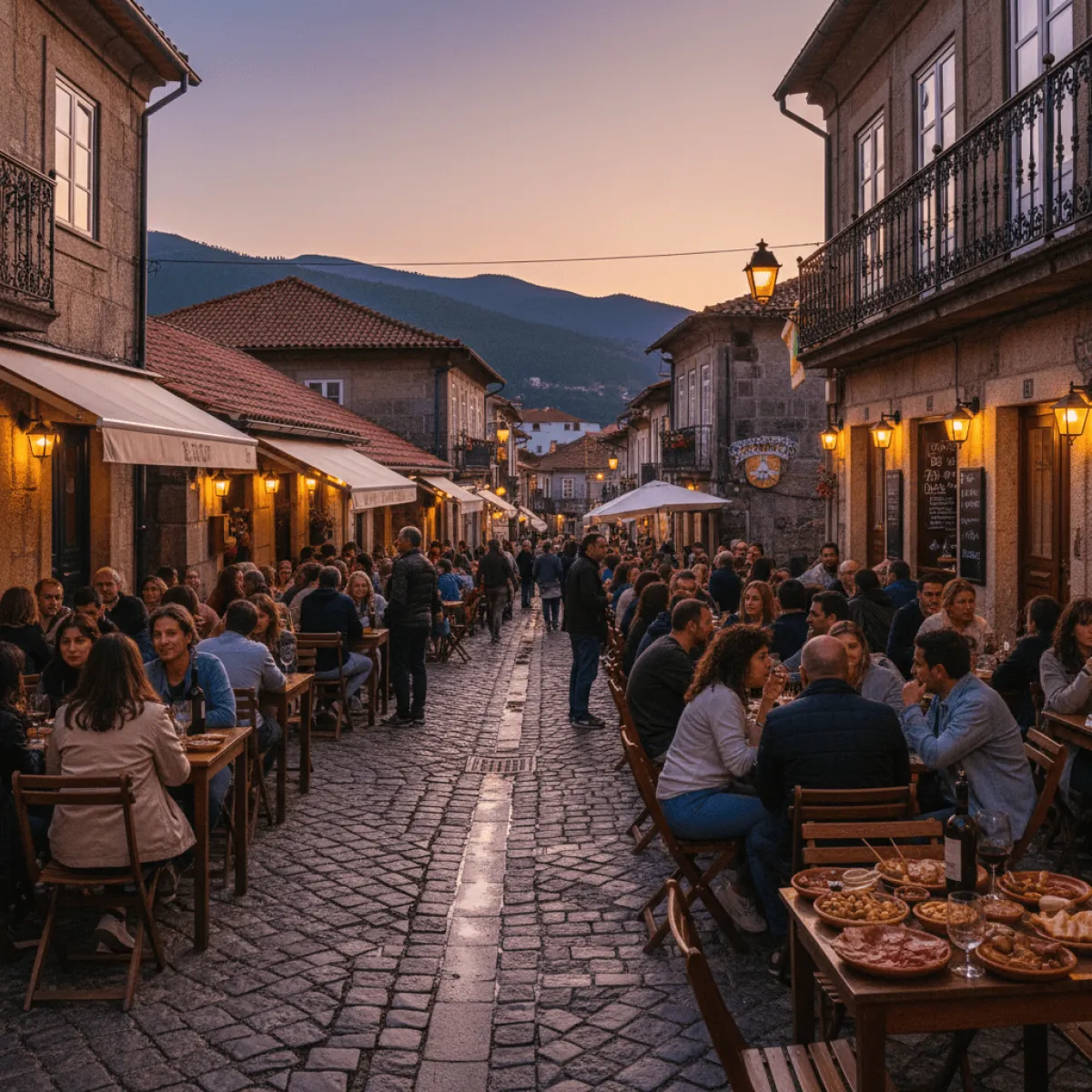
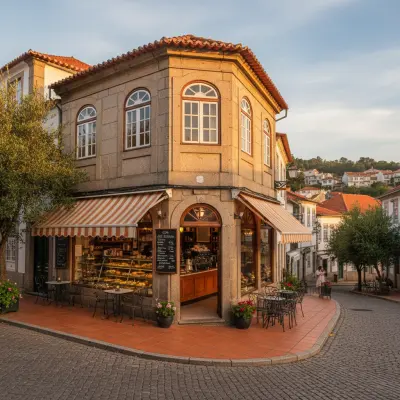
There is a specific hour in Covilhã, around 6:45pm, when the light slides down the Serra da Estrela slopes and lands on the tile facades along Rua Visconde da Coriscada. That, and not a minute earlier, is when this old textile town shrugs off the weight of its abandoned wool factories and opens its cafes, tascas and wine cellars. If you came here looking for wine and petiscos, this is the cue: tables fill, glasses clink, and the Beira Interior, ignored by most pocket guidebooks, finally agrees to show itself.
Let me be direct. Covilhã is not Lisbon or Porto. There are no fifty wine bars competing for your attention, no chefs with tasting menus that cost a month's rent. What this town has, in serious quantity, is a kind of culinary honesty that the bigger cities have largely lost. Cheese from the Serra still arrives in generous, unapologetic slabs. Bread still comes from the bakery that opens at 6am. House wine is poured without a sneer. This is a town for eating slowly and drinking attentively, and this itinerary, starting late afternoon and ending well into the night, is built around exactly that.
Before the Wine: Why Covilhã Tastes Like Wool
It might seem odd to begin a piece about food and wine with textiles, but in Covilhã the two are inseparable. For more than two centuries this was Portugal's wool capital, and that shaped everything: the schedules, the neighborhoods, even the way people eat. The streams cutting through the city, mostly hidden today, were once wool washing channels. The tall chimneys still poking the skyline were factories. The local food, robust, fatty, built to refuel bodies after twelve hours at a loom, makes complete sense in this context.
Before sitting down to dinner, take an hour or two to understand this. The guided tour pairing industrial heritage with the city's mural art is the perfect aperitif: a walk linking the bones of old factories with the murals that now wrap them. For something deeper, the Wool Museum, set inside the former Royal Cloth Factory, tells the story with the original looms. Check times locally, but block out ninety minutes. Walk out hungry. That is the plan.
First Stop: The Cafe as Launchpad
Anyone from Covilhã knows the ritual starts in a cafe, not a restaurant. That is where the night gets decided, where reservations get arranged, where you do the wine pre-game with a small beer and a fistful of tremoços (lupin beans). I suggest starting at Café Primor, in the central area, for one simple reason: serious local crowd. This is not the place where you hear foreign accents at every table or watch tourists photograph their pastries. Order a coffee and a savoury pastry, take a stool at the counter, and listen. In twenty minutes you will learn more about this town than from any leaflet.
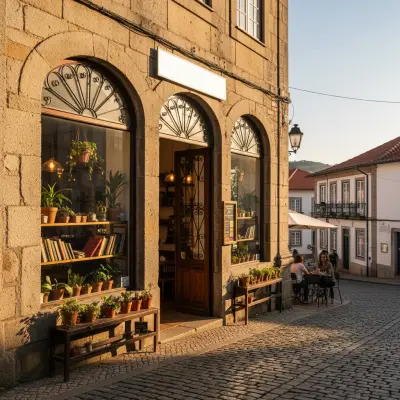
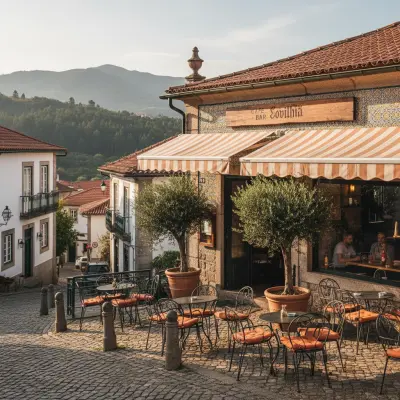
If you want something brighter and more spacious, especially for couples who want to talk without shouting, Café Saudade works very well. It manages the rare trick of being comfortable without being precious. And if you would rather sit outside, particularly in spring and early autumn, Café Bar Covilhã Jardim, leaning against one of the city's gardens, is the obvious call for a glass of white before dinner. Prices at all three are what you expect from an inland Portuguese town: an espresso between 80 cents and a euro, a beer just above one euro, a glass of house wine rarely above 2.50 euros. Good stuff, no theatre.
What to Order to Warm Up
- Tremoços and olives: they appear almost without you asking. Coarse salt, nothing else. Be careful, it is dangerously easy to drain a bottle on these alone.
- Codfish cake (pastel de bacalhau): not always the strong suit, but on a good day worth it as a starter.
- Meat ball or homemade rissole: if it looks genuine (irregular dough, visible filling), say yes. If it looks factory-made, skip it and save room for what is coming.
Beira Interior Wine: Portugal's Worst-Kept Open Secret
Here is an opinion I will keep repeating until I am tired of it: Beira Interior wines are among the most undervalued in Portugal. The region, officially DOC since 1999, produces reds from grapes like Rufete, Touriga Nacional and Tinta Roriz, and whites from Síria, Fonte Cal and Arinto. These are wines grown at altitude, on granite soils, with brutal day-night temperature swings. The result is acidity, minerality, and a freshness that, with all due respect, most Alentejo reds simply cannot match.
When ordering, resist the reflex of asking for Douro. Here, ask for Beira Interior. Look for producers like Quinta dos Termos, Rogenda or Vinhos Beyra. A young, fresh Rufete red, with red fruit and a herbal note, retails between 12 and 25 euros a bottle, and rarely costs more than 4 euros by the glass. For whites, a well-made Síria is a quiet revelation: body, but with nerve.
Real Petiscos: What You Should Actually Eat
Covilhã is not fine dining country, and that is a feature, not a bug. What you eat here are petiscos with weight. Food that fills you up and makes no apologies for what it is. I will list the essentials by dish, not by venue, because the best places change hands, change cooks, change quality, and I would rather not push you toward a place that might be off this month. When you see these names on a menu, order.
The Non-Negotiables
- Queijo da Serra da Estrela DOP: accept no substitutes. It must arrive buttery, creamy enough to scoop with a spoon. If it comes out hard as a brick, send it back. Pairs with red, but with a Síria white it is a better marriage than you would guess.
- Local cured meats: chouriço, morcela (blood sausage), farinheira, painho. Grilled over coals, simple. If the house flames the chouriço in clay dishes at the table with aguardente, do not hesitate.
- Bucho recheado: stuffed pork stomach, not for everyone, but if you are into nose-to-tail cooking and big flavours, this is a tradition lesson on a plate.
- Mountain trout: grilled or in escabeche. Cold, in escabeche, with bread and a fresh white, it is a perfect close to a warm evening.
- Roast kid (cabrito): a Sunday lunch dish. Usually not on offer at night.
What to Skip
I will be blunt. Skip the francesinhas, the picanhas, anything that looks imported from somewhere else. If you see polvo à lagareiro on the menu of an inland tasca, be suspicious. Not that it is bad, but it is out of context. Covilhã is 200 kilometres from the nearest sea. Eat what makes sense here: cheese, meat, sausages, bread. The rest can wait for another trip.
Building Your Evening
Plan A: The Classic Night (3 to 4 hours)
- 6:30pm to 7:30pm: aperitif at Café Primor or Café Saudade. Beer, tremoços, conversation.
- 7:30pm to 10:00pm: petiscos dinner in a place in the historic centre. Book ahead, particularly Thursday to Saturday, and especially during university term (UBI brings serious volume).
- 10:00pm onwards: digestif. Aged regional aguardente, or a fortified wine if the place has one. If not, drift back to Café Bar Covilhã Jardim for a last glass on the terrace. It always works.
Plan B: The Slow Night (one place, 3 hours)
This is for those who prefer to settle in and let the night roll over them. Pick one good restaurant, order a board of cheeses and cured meats, then a shared main, then dessert, and keep ordering wine by the glass. Costs roughly the same, you talk more, and you leave the table with the firm sense of having done it right.
What This Will Cost You
For an honest reference, count on:
- Aperitif (beer or glass of wine with snacks): 3 to 5 euros per person.
- Petiscos dinner with house wine: 18 to 28 euros per person.
- More elaborate dinner with a bottle of regional wine: 30 to 45 euros per person.
- Digestif: 2 to 4 euros.
These numbers are kind compared to Lisbon, Porto, or even Coimbra. Always check locally, but you will rarely feel taken for a ride.
Where to Sleep, How to Get Around
Stay in the centre, ideally between Praça do Município and the Calçada das Carmelitas area. Walking between cafes and restaurants is half the pleasure of this town, and Covilhã is built on terraces, with steep streets that make a midnight taxi less charming than you would hope. If you plan to drink wine, leave the car parked and use your legs.
Getting here, Covilhã has Intercidades trains from Lisbon and Porto, and sits on the A23 motorway. From here it is easy to plan day trips. The one-day road trip to the Schist Villages is the perfect reward for those who put away the wine sensibly the night before, with landscapes and simple village meals. In spring, the detour is almost mandatory: cherry blossoms in Fundão, twenty minutes by car. And for a serious counterpoint to the culinary day, the climb up to Manteigas and the snow wells turns lunch into a journey.
What to Take Home
If you came by car and you have boot space, take home Serra cheese (buy it from a certified producer, ask for the receipt, and keep it cold), vacuum-packed cured meats, and two or three bottles of Beira Interior wine. It is the best way to extend the trip back home, and within three months you will already be planning the return trip just to restock.
Last Note: When to Visit
Covilhã eats well year-round, but it has seasons. In winter, with snow on the Serra, the heavy food makes total sense and the warm interiors compensate for the cutting cold. In spring, terraces reopen and white wines come back into focus. In summer, it is cooler than most of Portugal, which is a real advantage if you are running from heatwaves. In autumn, possibly the best time of all, harvest is on in the Beira Interior and the cheese hits its peak.
The rule is one and only one: come with time, with hunger, and without prefabricated expectations. Covilhã does not sell itself, but it serves itself whole to anyone who pulls up a chair.