Costa Vicentina in May: Beja's Coast Before the Crowds
In May, the Costa Vicentina is still green, the beaches are nearly empty, and the restaurants haven't doubled their prices yet. It's the best window of the year to walk the Rota Vicentina, eat grilled fish without queues, and discover Beja's coastline at your own pace.
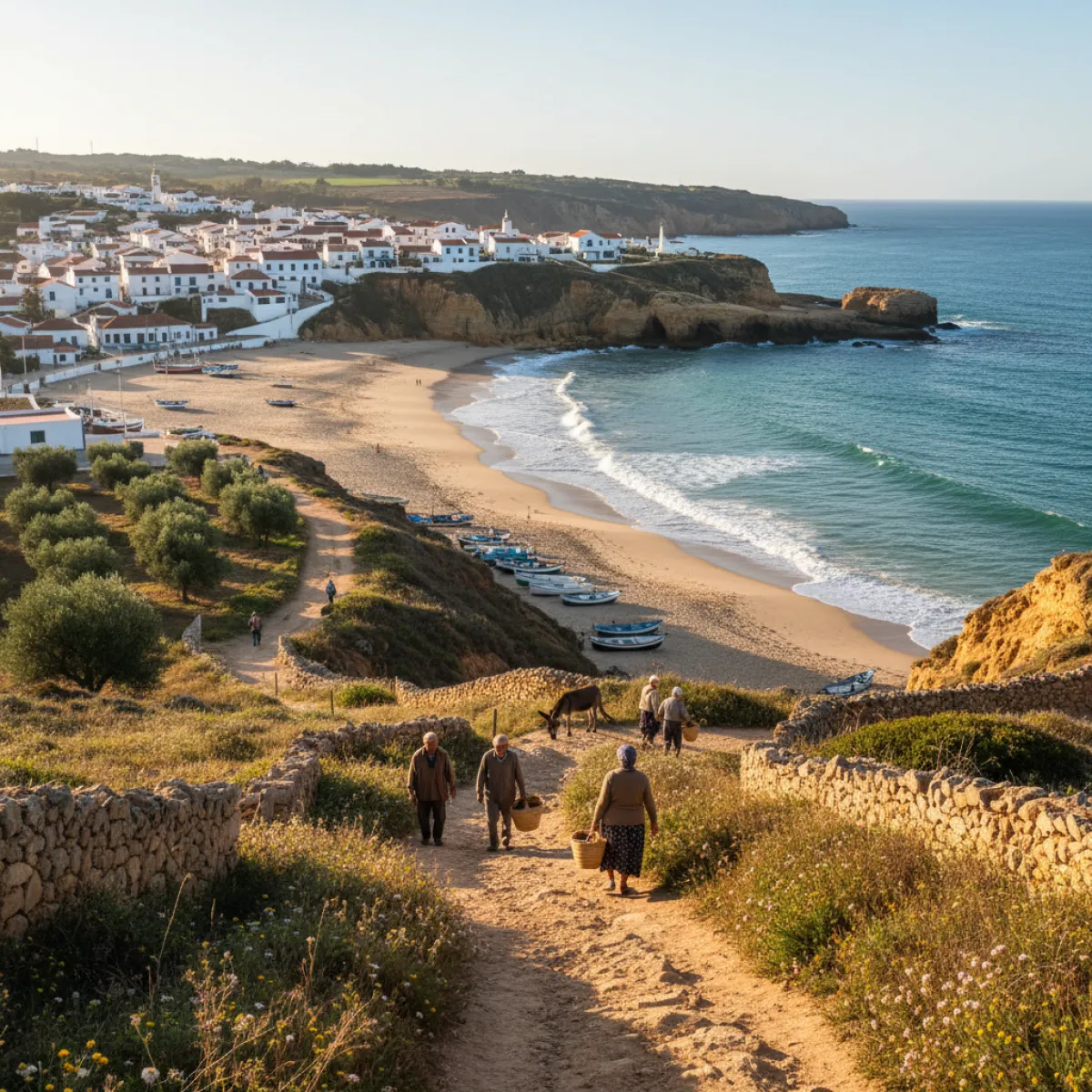
There's a narrow window between the last April rains and the July invasion when the Costa Vicentina operates on a rhythm that only Alentejanos know. May is that month. The water is still cold (16-17°C, let's not pretend otherwise), but the cliffs are carpeted in wildflowers, the restaurants haven't doubled their prices, and you can park near the beach without circling for forty minutes.
Costa Vicentina belongs administratively to the district of Beja, which surprises most people. When you think of Beja, you think of flat plains, wheat, and dry heat. But the coastal strip of the Odemira municipality, part of this district, hides some of the most dramatic beaches in Europe. And in May, they're nearly empty.
Zambujeira do Mar: Start With the Obvious (Because It's Obvious for Good Reasons)
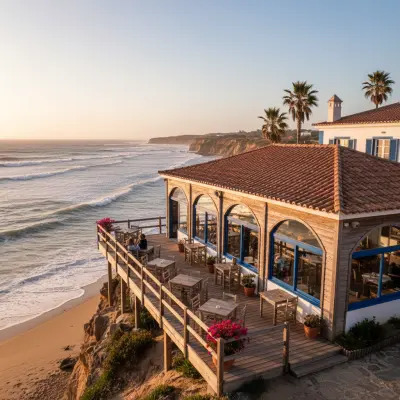
Yes, everyone knows Zambujeira. Yes, in August it's a nightmare of towels stacked on top of each other. But in May? In May, Praia da Zambujeira do Mar is a different place entirely. You descend the steps carved into the cliff face and find a stretch of dark sand with maybe six people on it. The wind blows from the north, steady, and the sea breaks with an energy that invites watching more than swimming.
The village itself is small enough to walk end to end in twenty minutes. There are a handful of restaurants along the main road, and the rule is simple: if they're grilling fish and the tables have paper tablecloths, you're probably in the right place. Look for percebes (goose barnacles) if they're in season, and always ask for the fish of the day rather than ordering from the menu. Prices in May are reasonable: expect 15-20 euros per person for a full meal with house wine.
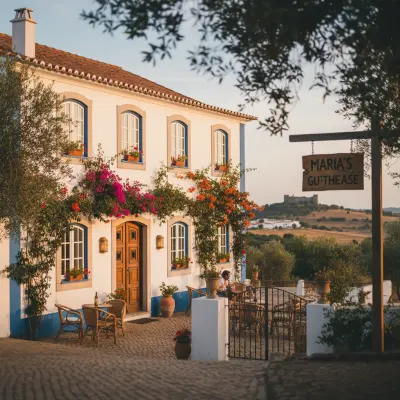
For anyone planning to stay more than a day (and you should, because one day isn't enough), Maria's Guesthouse in Beja is a solid base. Don't expect an infinity pool resort. Expect clean rooms, genuine hospitality, and someone who'll tell you where to eat and what to skip without you having to ask. It's the kind of accommodation that works because the person running it actually cares.
The Rota Vicentina: Walking With Purpose
If there's one thing that justifies coming to the Costa Vicentina in May, it's walking. The Rota Vicentina, with its two main trails (the Fishermen's Trail along the coast and the Historical Way through the interior), is in perfect condition this time of year. No extreme heat, no mud. Temperatures hover around 20-24°C during the day, and the sun sets after 8pm, giving you generous hours of light.
The Fishermen's Trail is the more spectacular of the two, but it demands some preparation. Stages run 15 to 25 kilometers between beaches, always along the cliffs. The terrain is uneven, with sand, rock, and packed earth, and there's no shade. Bring water seriously: at least two liters per stage, and protect yourself from the sun even when the wind makes it feel cool. May might not seem hot, but you'll burn just the same.
For something less committed, shorter sections can be done in a morning. The stretch between Zambujeira and Praia do Carvalhal, for instance, takes about two hours and offers views that justify every drop of sweat. Along the way, you'll likely spot white storks nesting on top of the sea cliffs, a rare behavior observed almost exclusively on this coast.
May Is for the Birds (Literally)
Speaking of storks: the Costa Vicentina is one of the most important migratory corridors in Western Europe. In May, resident birds are already nesting and the last spring migrants are still passing through the region. If you have even a passing interest in birdwatching, this is the place and the moment.
The bird watching experience in Beja with Salva Fauna is something I'd recommend even to people who've never picked up a pair of binoculars. The guides know the territory, know where the nests are, identify species by song, and explain everything without condescension. It's the kind of activity that transforms the landscape: after a session like this, you'll never look at an Alentejo plain the same way again.
Species you might spot this time of year include the lesser kestrel, Bonelli's eagle, the European roller (which arrives in May to breed), and of course the white storks insisting on nesting in the most improbable locations. On the coast, look for Audouin's gulls and, with luck, peregrine falcons on the cliff faces.
Odemira and the Interior: The Alentejo Nobody Photographs
Most visitors come to the Costa Vicentina for the beaches and completely ignore the interior. Mistake. The town of Odemira, the municipal seat, is half an hour from the coast and has a quiet charm that deserves half a day. The municipal market, when open, is a good spot for sheep's cheese, honey, and local cured meats. The banks of the Mira River invite an aimless walk.
May is also the month when the Alentejo is still green. From June onward, the landscape starts to dry and turn golden, which has its own beauty, but it's different. In May, the fields are covered in poppies, daisies, and a dozen flowers whose names I couldn't tell you but whose presence turns the plains into something no Instagram filter can improve.
If you have a car and want to explore the Alentejo interior more deeply, consider extending your trip to the Upper Alentejo. Our guide to Portalegre without the tourist traps is a good starting point. Portalegre is a different world from the coast: mountains, tapestry factories, and an inland gastronomy that deserves attention. If you enjoy walking, our guide to Portalegre on foot covers the neighborhoods worth exploring.
What to Eat (and Where Not to Waste Your Money)
Costa Vicentina's food lives equally between sea and land. From the sea: grilled fish, percebes (goose barnacles, when available), and fish stew. From the land: lamb stew, migas with pork, and açordas (bread-based soups). Alentejo bread is omnipresent and essential. Without it, half of the local cuisine wouldn't exist.
One dish you should try in May: sopa de cação com coentros, a shark soup with coriander. It's thick, with potato and bread soaked in, seasoned with fresh coriander and vinegar. It's not elegant, it won't win presentation awards, but it's honest and comforting after a morning of walking in the wind. You'll find it at virtually any local restaurant.
Avoid restaurants with menus in five languages and photos of the dishes on the door. Universal rule, but especially relevant here. The best places to eat on the Costa Vicentina are unpretentious tascas where the menu changes based on what's available. And for a sense of how locals eat in inland Alentejo, our guide to where locals eat in Portalegre applies in philosophy, even if the geography is different.
Logistics: Getting There and Getting Around
Let's be direct: you need a car. Public transport to the Costa Vicentina exists, but it's limited and impractical for exploring at your own pace. From Lisbon, expect about three hours of driving to Zambujeira do Mar via the A2 motorway and then national roads. The road between São Teotónio and the coast is narrow and winding. Drive slowly.
If you're coming from the Algarve, access from Lagos or Aljezur in the south is quicker for beaches around Odeceixe, but for Zambujeira and points further north you'll need to head up the N120.
In May, accommodation still has reasonable availability and prices are in the mid-season range. Book a week or two in advance and you'll have options. In August, you'd need months. Another advantage of May.
Fuel: fill up before leaving larger towns. Petrol stations on the coast are scarce and sometimes more expensive.
May Versus the Rest of the Year
Every month has its argument. June is already warm but not yet peak. September has the warmest water of the year. But May offers something no other month can match: green landscape, empty beaches, accessible prices, and long days, all at once. It's the month when the Costa Vicentina is most generous with its visitors.
The only catch is the sea. If you need warm water to be happy, May isn't for you. The ocean hovers around 16°C and even with a wetsuit, it's bracing (a polite word for freezing). But if you can appreciate a beach without necessarily getting in the water, or if you surf and are already used to the Atlantic, then May is perfect.
Bring layers. Morning can be cool, midday burns, and by late afternoon the wind returns. A light windbreaker is the most useful item you can pack for the Costa Vicentina, any month of the year.