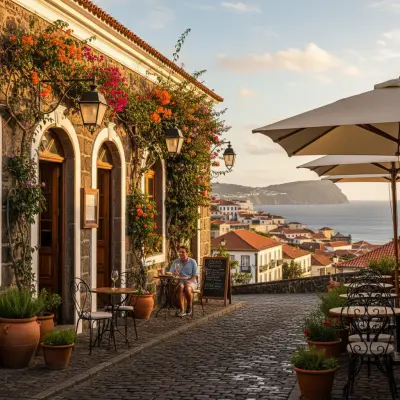
Angra do Heroísmo: Beaches Without the Crowds in Terceira
Terceira's best swimming spots have no sand at all. The natural pools around Angra do Heroísmo, from Cinco Ribeiras to Biscoitos, offer spectacular ocean bathing without the crowds. You just need to know when to go and where to climb down.
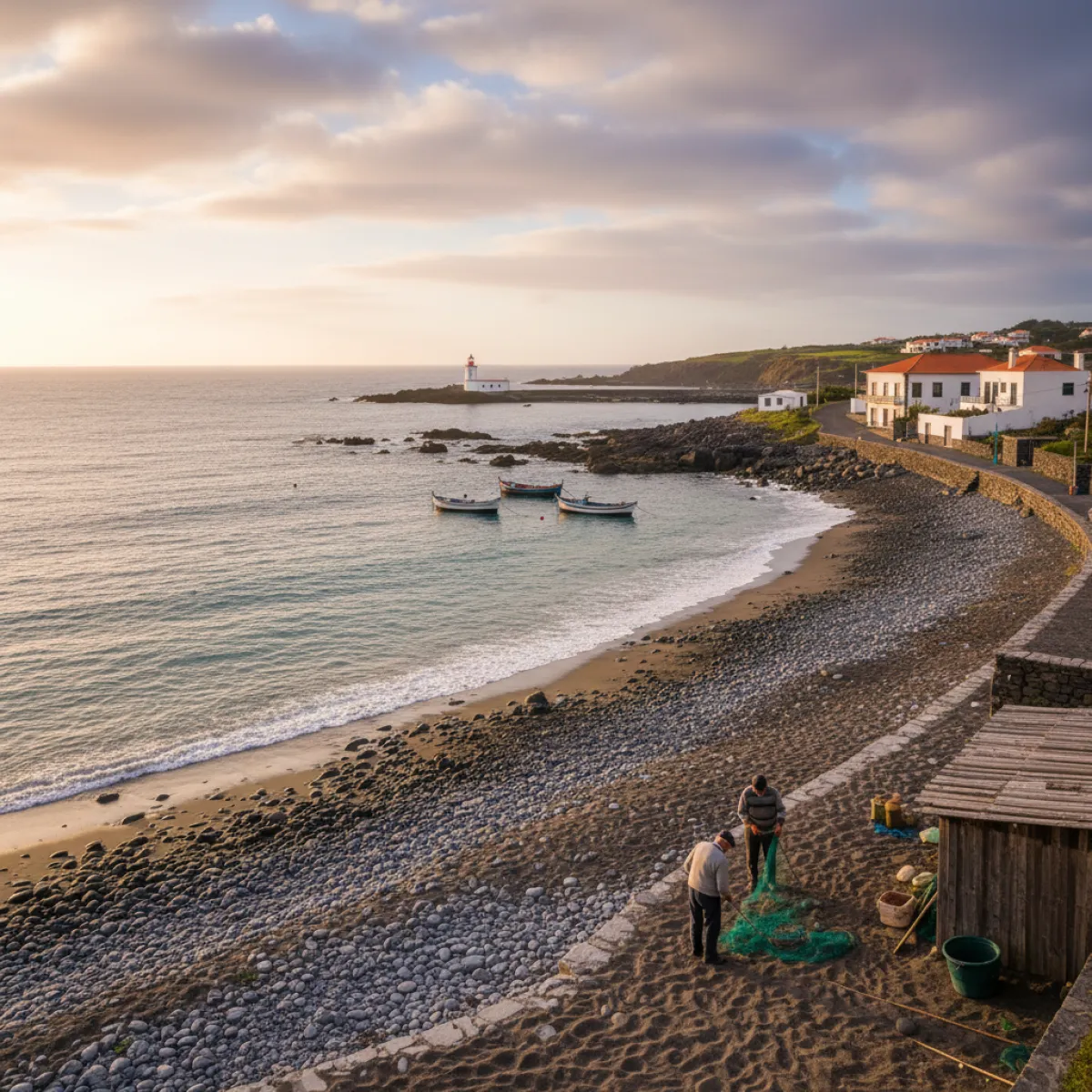
Let's be honest: if you're looking for long stretches of white sand with sun loungers, Terceira is not your island. And that's exactly what makes it great. The beaches around Angra do Heroísmo are carved from volcanic rock, shaped by the Atlantic into natural pools and hidden coves where, with a bit of timing, you can spend an entire afternoon hearing nothing but the ocean.
Most visitors land on Terceira, head straight for Prainha, the only actual sand beach in town, and complain it's packed. Of course it's packed. It's the only one with sand. The real swimming on this island happens in places with no sand at all, and that's precisely what makes them remarkable.
Prainha: lovely, but get there early
I won't pretend Prainha doesn't exist. Tucked into the Bay of Angra with Monte Brasil looming behind it, it's genuinely beautiful. Dark sand, clear water, views across to the marina and the UNESCO-listed old town. The problem is everyone knows about it. By 11am in July and August, you'll be fighting for towel space.
My advice: visit Prainha, absolutely, but arrive between 8am and 9:30am. At that hour, tourists are still eating breakfast and the locals who work have already left. You've got a ninety-minute window where it's yours and Monte Brasil's. Then get up and go explore what really matters.
Silveira: the natural pool with a bar
Five minutes by car from central Angra, or about fifteen on foot along the coast, the Silveira bathing area is where the locals actually go. It's a natural seawater pool formed by basalt rock, with the ocean pushing through the cracks. There's decent parking, changing rooms, showers, and, the detail that makes all the difference, a bar. Don't expect craft cocktails, but a cold beer with your feet practically in the water is hard to beat.
Silveira fills up on weekends, especially Sunday afternoons. The trick is to go midweek or, if it's a weekend, arrive before 10am. The water's colder than Prainha, this is the Azorean Atlantic, so expect something between 18°C and 22°C in summer. Check locally for current conditions.
Cinco Ribeiras: the effort pays off
This is where things get serious. The Cinco Ribeiras natural pools sit on the southwest coast, about 15 minutes by car from Angra. Three pools carved into volcanic rock, constantly refreshed by the waves. The water is crystalline, the setting dramatic, black basalt against Atlantic blue, and, crucially, there are far fewer people.
Why? Because reaching the water requires a long, steep staircase. Nothing impossible, but enough to discourage anyone seeking easy comfort. If you have mobility issues, this isn't the spot. For everyone else, it's a reward. The descent takes about five minutes, the climb back maybe ten, and in between you get a swim that's worth every step.
There's no bar or restaurant at Cinco Ribeiras, bring water, fruit, and snacks. And sunscreen. Shade is scarce.
Biscoitos: famous for a reason
On the north coast, half an hour from Angra, the Biscoitos natural pools are probably the most photographed swimming spot on Terceira. Deservedly so: they're spectacular. A labyrinth of pools in various sizes and depths, formed by solidified lava, with the central ridge behind and the open ocean crashing on the outer rocks.
But let's be real: Biscoitos isn't a secret anymore. In peak summer, particularly on weekends, it feels like a municipal pool. There's a small admission fee (check locally for current prices), plus changing rooms, a bar, and parking. If you want to go, aim for early morning or late afternoon, when the tour groups have headed back to Angra. September is the golden month: water still warm, tourists already thinning out.
While you're in Biscoitos, stop by the Wine Museum right next door. The vineyard corrals, stone walls protecting the vines from Atlantic winds, are part of the classified landscape and produce excellent Verdelho.
Porto Martins: for those who want facilities
On the opposite side of the island, the Porto Martins natural pools are the most accessible option in the literal sense: they have a ramp, making them suitable for visitors with reduced mobility. The main pool is large and sheltered, the fishing village is genuine, and there's a restaurant right at the entrance.
Porto Martins is more popular with locals than tourists, which is always a good sign. It's about 20 minutes from Angra by road. The combination of a swim and lunch in the village makes for a solid half-day out.
Negrito and Salgueiros: the local hideouts
If you genuinely want to avoid everyone, Negrito is a small bathing area near Angra with natural pools and particularly clear water, good for snorkelling if you've brought gear. There's not much infrastructure, but there aren't many crowds either.
Salgueiros, on the eastern coast, is a calm, sheltered bay surrounded by greenery (it's named after the willow trees that grow there). It's one of the quietest spots on the island and ideal for anyone who just wants to float in peace.
After the swim: eating properly
A morning at the beach in Terceira demands a proper afternoon at the table. And Angra delivers. For lunch, O Forno is a reliable pick, honest regional cooking without the inflated prices you'll find at the marina esplanades.
If you want to go deeper into Terceira's food culture, consider a hands-on alcatra cooking class. Alcatra is Terceira's signature dish, beef slow-cooked in a clay pot with spices, and learning to make it is a way to take the island home with you.
Beyond the water: what to do between swims
Terceira isn't only about beaches. If you're drawn to nature, the birdwatching expedition to Cabo da Praia is a different way to explore the coastline, and discover areas most visitors never see.
And if the Azores have gotten under your skin and you're thinking about island-hopping, Faial is the logical next step. Horta deserves at least 24 hours, it's a town with a completely different energy from Angra, more cosmopolitan and maritime. For food obsessives, Ponta Delgada has a gastronomic route that rivals any city on the mainland.
Practical guide: planning your beach week
- Day 1: Prainha early morning (before 10am), afternoon exploring Angra's historic centre and Monte Brasil
- Day 2: Cinco Ribeiras in the morning (bring lunch), afternoon at Silveira with a beer at the bar
- Day 3: Biscoitos early morning + Wine Museum, free afternoon
- Day 4: Porto Martins with lunch in the village
- Day 5: Negrito or Salgueiros for a quiet swim, followed by lunch at O Forno
Golden rule: on Terceira's beaches, morning always beats afternoon. Fewer people, less wind (the breeze typically picks up after lunch), and a better chance of sun before the mountain clouds roll down.
Getting there and getting around
Terceira has direct flights from Lisbon and Porto via SATA, with Ryanair operating seasonal routes, check availability. The airport is at Lajes, about 20 minutes from Angra. Renting a car is essentially mandatory if you want to explore beaches beyond Angra, public transport exists but it's limited and infrequent.
Roads are good and the island is small: end to end takes less than an hour. Parking is generally easy, except at Prainha in peak summer (walk if you're staying in the centre).
A week is the ideal amount of time for Terceira. Less and you'll rush. More and you can hop to Faial or São Jorge, both a short flight or ferry away.
Terceira doesn't have to be an island of crowds. It just needs visitors willing to climb a few more steps, wake up a bit earlier, and trade sand for rock. The Atlantic is the same. The difference is that in the natural pools, it's yours alone.