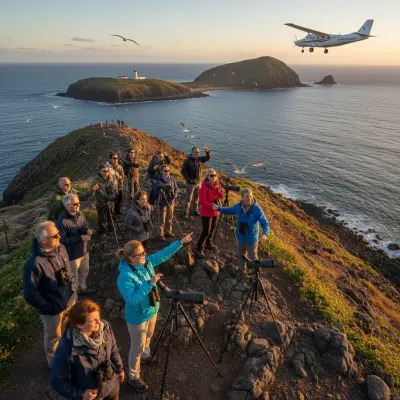
The Mastery of Alcatra: A Hands-on Traditional Cooking Class in Terceira
Learn to cook authentic Terceira Alcatra in a hands-on class within a local family setting. This 5 to 7-hour experience includes traditional bread making, wine tastings, and a full Azorean feast.
Immersing in Terceira’s Culinary Heritage
The gastronomy of Terceira Island is inseparable from its history and its people. At the heart of this identity lies Alcatra, a beef dish slow-cooked in a traditional unglazed clay pot. For those seeking to understand the Azorean soul, participating in a cooking class that teaches the secrets of this dish is more than just a meal; it is a lesson in patience, culture, and hospitality.
The experience provided by Pro Island Tour, led by Antonio and Philip, takes visitors away from the typical tourist trails and introduces participants into the kitchen of a local home. Here, the focus is not on technical sophistication, but on respecting ingredients and methods inherited from past generations.
The Starting Point: Traditional Sweet Bread
The journey begins with hands-on dough preparation. Before handling the meat, it is necessary to prepare the indispensable side: the bread. In the context of the Holy Spirit Festivals, bread plays a sacred role. During the experience, participants learn to knead "massa sovada," a slightly sweet bread that serves as the perfect counterpoint to the richness and seasoning of the meat. The process of kneading the dough is physical and rhythmic, providing an immediate connection to the land and the cycles of Azorean rural life.
Preparing the Alcatra: The Clay Pot Ritual
The secret of Alcatra lies in the vessel. The unglazed clay pot, known as an "alguidar," must be seasoned with lard or olive oil before its first use. In the class, you learn to prepare the base of fat, onions, garlic, bay leaves, and Jamaican peppercorns (pimenta-da-terra). The beef, cut into generous chunks, is layered with seasonings and drenched in local white and red wine.
The instructors explain the importance of the meat cut and the quality of the wine, which must have enough acidity to break down the richness of the beef during hours of cooking. No water is added; the entire sauce is created by the meat's juices and the wine reduction. It is an exercise in restraint and trust in simple ingredients.
The Waiting Period and Shared Flavors
While the clay pots enter the wood-fired oven, time is not wasted. The kitchen transforms into a space for social gathering. Participants are invited to taste local cheeses, ranging from fresh cheese with chili paste to cured cheeses from the neighboring island of São Jorge, accompanied by freshly fried "linguiça" and "morcela" (blood sausage). This snacking moment is paired with Terceira wines and local beer, allowing for a fluid dialogue about island life and the traditions that remain alive in Angra do Heroísmo.
The Mastery of the Wood Oven
Managing the wood oven is an essential part of the learning process. Understanding the correct temperature and how heat circulates to ensure the meat stays tender without falling apart is an art that the hosts master gracefully. The aroma emanating from the oven as the wine reduces and the spices fuse with the fat is unforgettable and an integral part of the sensory experience.
The Final Feast
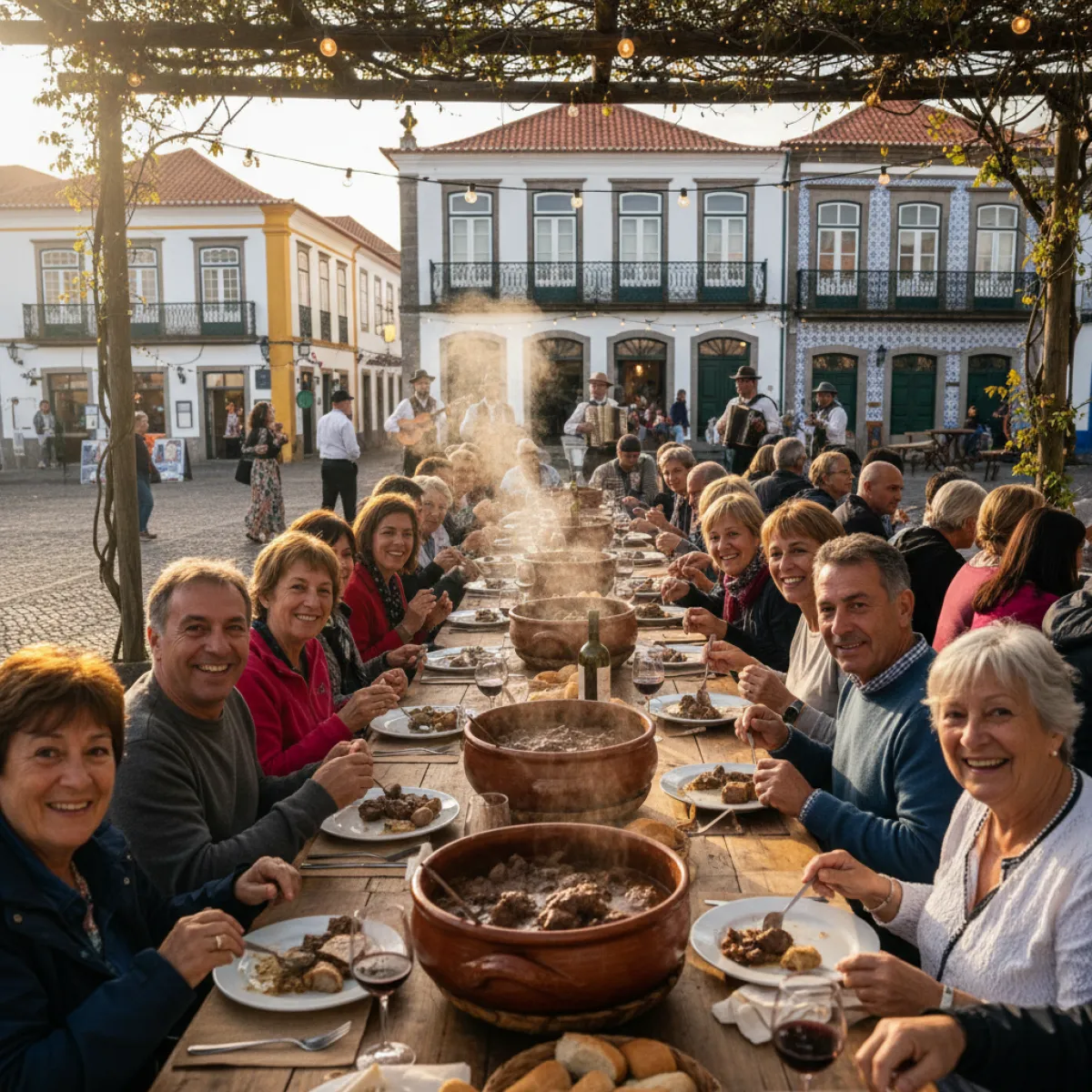
The culmination of the experience happens at the table. The Alcatra is served in the same clay pot it was cooked in, still bubbling. The sweet bread, baked alongside, is used to soak up the rich, dark sauce. Beyond the beef Alcatra, the hosts often present variations, such as fish or bean Alcatra, demonstrating the versatility of this traditional cooking method.
To conclude, typical desserts are served, such as the Dona Amélia cakes, created in honor of the last Queen of Portugal during her visit to the island in 1901. Coffee and a homemade liqueur close a meal that extends for several hours, celebrating the calm and the pleasure of communal dining.
Practical Details and Tips
- What to wear: Comfortable clothing that can be easily washed, as working with flour and the smoke from the wood oven can affect delicate fabrics.
- When to book: Due to the personalized nature of the experience and the small group size (maximum 6 people), booking at least two weeks in advance is recommended, especially during the summer months.
- Logistics: The service includes pickup and drop-off at your accommodation, which is ideal for those who wish to enjoy the wine tastings without worrying about driving.