O Forno
At Pastelaria O Forno, the Queijada Dona Amélia isn't just a pastry; it's an edible history lesson of molasses and spice. Skip the hotel breakfast and join the locals at this institution in the heart of Angra.
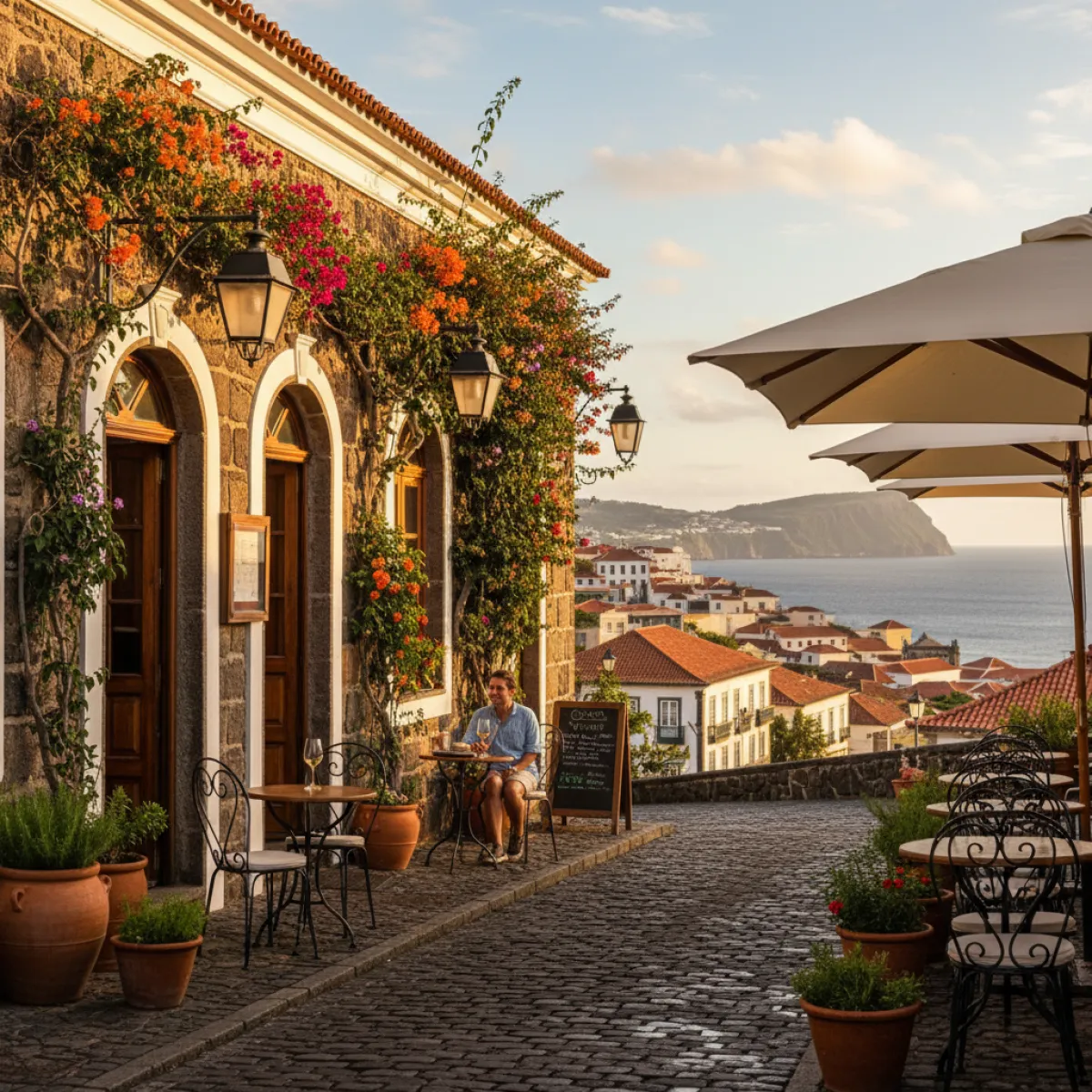
The Scent of History on Rua de São João
Forget the sterile, plastic-wrapped breakfast buffets of four-star hotels. If you wake up in Angra do Heroísmo and settle for a soggy, defrosted croissant, you are failing your mission as a traveler. The true pulse of this city, and, by extension, Terceira Island, is detected by the nose long before you reach the doorstep of number 67 Rua de São João. The heady aroma of cinnamon, cloves, and cane molasses acts as a gastronomic radar, guiding you unfailingly to Pastelaria O Forno.
This is not a space of Nordic minimalism or pretentious design. O Forno is an institution built on functionality and heritage. Located in the heart of the historic center, just a few steps from the Sé Cathedral, the pastry shop occupies a building that integrates seamlessly into the UNESCO urbanism of Angra do Heroísmo. Here, the aesthetic is dictated by glass cases overflowing with regional sweets and the constant hum of locals popping in for a quick "bica" (espresso) and a dose of conversation about the weather or the upcoming festivals.
The Pastry that Wooed a Queen
To talk about O Forno is to talk about the Queijada Dona Amélia. Let’s clear up a common misconception: these aren’t actually "cheese cakes" in the technical sense (they contain no cheese). They are dense, dark, spice-laden little cakes. Legend has it that when Queen Amélia and King Carlos visited the island in 1901, the locals adapted an older recipe known as "mimos de Terceira," amping up the spices to impress the royals. The result was so well-received that the sweet was renamed in honor of Portugal’s last queen.
At O Forno, the execution is uncompromising. The texture is moist, almost fudgy, thanks to the marriage of molasses and eggs, with cornmeal providing that rustic structure expected of island confectionery. The generous use of cinnamon and raisins isn’t just a flavor profile; it’s an edible history lesson on Angra’s role as a vital port of call on the spice routes between the Indies and the Americas. Each bite is a map of Portuguese navigation. Order one to eat on the spot, still holding the warmth of the oven, and buy a box to take home. It is the only souvenir that actually matters.
Beyond the Dona Amélia: A Sweet Cartography
While the Dona Amélia is the undisputed star, O Forno’s counter hides other treasures that demand your attention. The Cornucópias, with their crisp pastry shells and rich egg-thread fillings, are an exercise in conventual decadence. If you prefer something less intense, the family-sized Dona Amélia cakes are perfect for a picnic at Monte Brasil, overlooking the bay.
The location is strategic. Rua de São João is one of the most interesting arteries for observing the detailed facades that define Angra’s nobility. It’s a street that demands to be walked, with frequent stops. O Forno serves as the ideal pit-stop between exploring Baroque churches and descending toward the marina.
Practical Tips for the Discerning Traveler
O Forno is a place of democratic prices (€), where quality isn’t inflated by a "tourist" tag. This is where locals buy their birthday cakes and where retirees debate the politics of the day. Don’t expect ceremony: the service is efficient and direct. If you’re traveling in a group, the interior can feel cramped during peak hours (mid-morning and late afternoon), so be prepared to wait a few minutes or do as the locals do: eat at the counter.
- Address: Rua de São João 67/69, Angra do Heroísmo.
- Payments: While they accept cards for larger purchases, it’s always a good idea to have some cash for small expenses like a coffee and a pastry.
- Reservations: No reservation needed for dine-in, but if you want to take large quantities of queijadas for your flight home, it’s best to order a day in advance by calling +351 295 213 729 or checking their Facebook page.
- When to go: Go early. The scent of the cakes coming out of the oven is a sensory experience you shouldn’t miss.
Visiting O Forno isn’t just about consuming calories; it’s a validation of Terceira’s identity. It is a place that stays true to itself, indifferent to the trends of contemporary brunch, choosing instead to focus on what it does best: turning spices and tradition into something that makes you want to return to Angra again and again.
