Ericeira on a Plate: Fish, Barnacles and Stew
Ericeira is known for surfing, but it was a fishing village long before that: fish stew, grilled fish and hand-harvested percebes still tell that story. A food route between the Pelourinho, the working harbor, and a table that takes tinned fish seriously.
Ericeira sells itself today as the surf capital of the world, sign and all at the entrance to town, but it spent a thousand years before that as a fishing village. That inheritance hasn't gone anywhere, it's just quieter now: it's in the market stalls at seven in the morning, in the smell of grilled fish drifting up from Rua de Baixo in the late afternoon, and in the fact that nobody here feels the need to complicate a fish dish to make it good. The trick runs the other way: don't ruin what the tide already got right.
A village built around fish
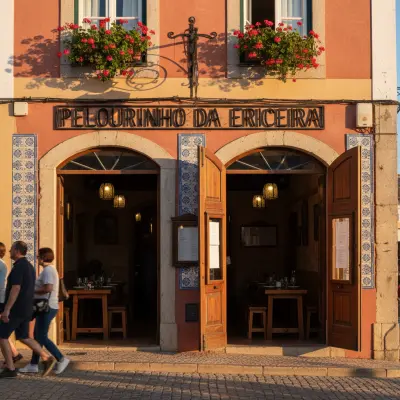
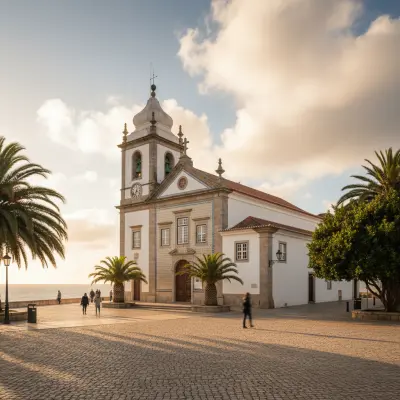
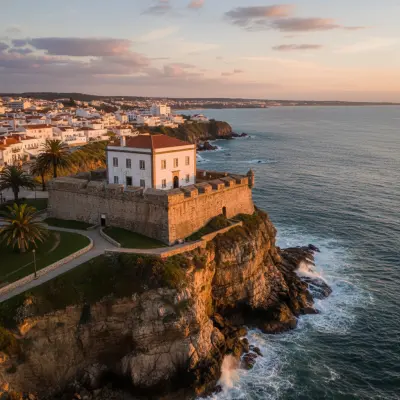
Before there were waves pulling surfers in from every corner of the world, there were boats coming home loaded with sardines, sea bass and lobster, and a village that organized itself entirely around that. The Pelourinho da Ericeira, in the historic center, is the clearest symbol of the status that fishing earned the town: the right to govern itself, independent from Mafra, came largely from the economic weight of the fishing industry. A short walk away, the Igreja de São Pedro isn't a random choice of patron saint. Saint Peter is the patron of fishermen, and for decades this was the church families walked to before each deep-sea fishing season. Climb further to the Forte de Nossa Senhora da Natividade, built to protect the coast and, indirectly, the fleet that fed the village. It's a viewpoint today, but it stood guard over a working fishing harbor that's still active.
Fish stew and grilled fish: the dish that explains the village
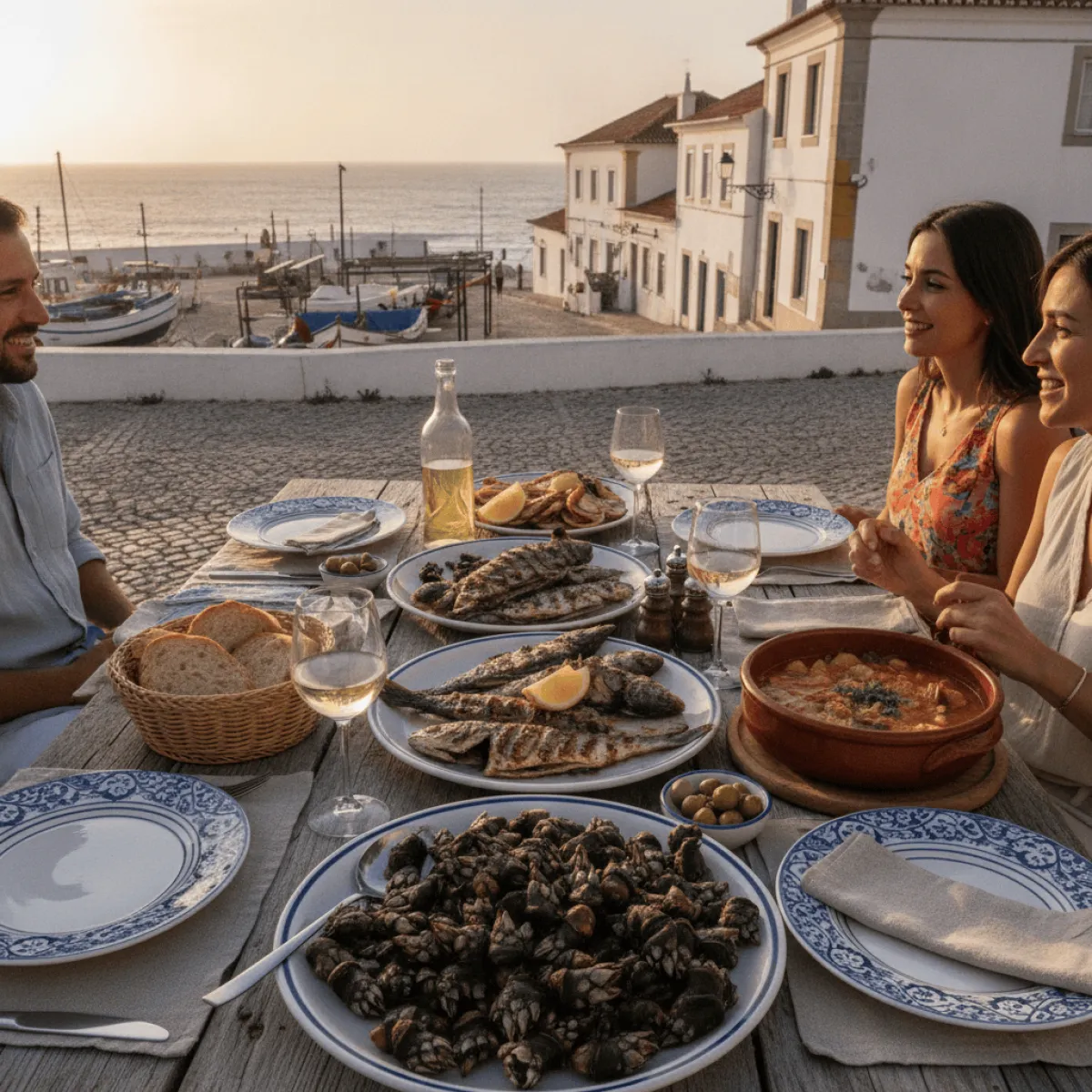
If there's only time for one meal in Ericeira, make it a caldeirada, a Portuguese fish stew, or grilled fish cooked over charcoal from whatever came into port that morning. The caldeirada here isn't a display of spices: it's a mix of fish, often sea bass, conger eel, forkbeard and sometimes monkfish, simmered slowly with potato, tomato, onion and olive oil until the broth builds its own body. Nobody orders it to impress anyone. They order it because that's what makes sense to eat in a village that lived off the sea for generations.
Grilled fish follows the same logic of staying out of the way: coarse salt, hot coals, and pulling it off right before it dries out. Sea bass and gilthead bream are the safest orders, but if sargo or red bream shows up on the day's menu, go for it. That's usually a sign the fish arrived hours ago, not weeks ago.
What to order, in practice
- Caldeirada to share between two or three people, never alone, this dish wants company
- Grilled sea bass or gilthead bream, with smashed potatoes and sautéed greens
- Seafood rice when it's available, especially outside peak tourist season, when the shellfish isn't all reserved for large groups
- A white wine from the Lisbon region, crisp and unpretentious, exactly what this kind of dish is asking for
Percebes: the shellfish that costs more than money
The coastline around Ericeira is one of the areas of Portugal most associated with harvesting percebes, goose barnacles, and it's worth understanding why they cost what they cost on a plate. Percebes grow clinging to rocks pounded directly by the Atlantic, and harvesting them is one of the most dangerous jobs in traditional Portuguese fishing: it means climbing down into zones where a swell can take a man in seconds. When they show up on a menu in Ericeira, usually boiled simply in salted water, you're paying not just for a rare shellfish but for the risk someone took pulling it off the rock. Eat them with your hands, pull the shell hard, and don't worry about looking elegant doing it. Nobody in Ericeira eats percebes with cutlery.
Where to sit down: Mar das Latas Wine & Food
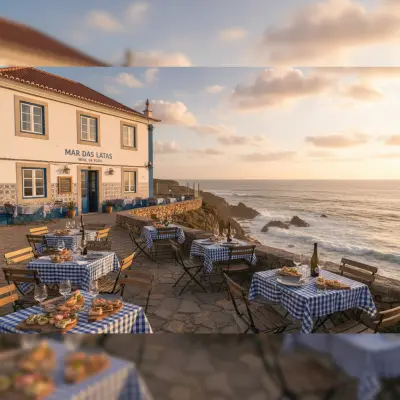
For anyone who wants to understand the fishing tradition without settling for the most obvious tavern, Mar das Latas Wine & Food builds a smart bridge between past and present: quality Portuguese tinned fish, fresh seafood, and a wine list that's actually been thought through, in a space that doesn't pretend to be more than it is. The name gives it away: here, tins of sardines, tuna and mackerel stop being a fallback snack and become the main event, served with good bread and a matching glass of wine. It's the right place to graze slowly in the late afternoon, taste a few tinned fish side by side, and understand why Portugal's canning industry, and its ties to fishing villages just like this one, is still a source of real pride.
After the wave, the plate
Ericeira today is known for something entirely different, and it's impossible to talk about the town without talking about surfing. Anyone who comes out of the water after a session at São Sebastião, one of the most popular breaks for beginners, as covered in Surfing São Sebastião in Ericeira: A Beginner Lesson, walks into town with a very specific kind of hunger: they want real, hearty food, and ideally something with fish in it. It's no coincidence that many of the town's fish restaurants fill up in the late afternoon during summer, right as lessons wrap up and boards go out to dry. If you're planning a summer trip, it's worth reading Surf Lessons in Ericeira: What to Expect in Summer before booking, so you can line up lesson times with dinner, because in August, tables with a sea view don't wait for anyone.
Something sweet, and side trips around the region
After the fish, Ericeira doesn't have a major sweets tradition of its own worth chasing, but it sits a short drive from towns that do. Mafra, the municipality Ericeira belonged to for centuries, holds onto a convent pastry tradition worth the detour, especially around Easter: the route in Easter Sweets in Mafra: A Tradition Worth Tasting pairs well with a day of fish in Ericeira, timing permitting.
For anyone with an extra day, Sintra is under half an hour away and offers a complete contrast, hill town instead of fishing village, as laid out in Sintra Neighborhood Guide: Discover Every Corner of the Enchanted Town. And to place Ericeira within the broader culture of the Lisbon region, from fado to neighborhood traditions, Local Culture in Lisbon: Traditions, Neighborhoods and the City's Soul helps explain what ties these coastal towns to the rest of the region, despite the obvious differences in pace and scale.
Getting there, when to go, what it costs
Ericeira is roughly 45 minutes by car from Lisbon, and direct buses run from Campo Grande, taking a little over an hour. There's no direct train, and it's not worth trying to find one.
A fish meal for two, with a starter, main course and wine, typically runs between 35 and 55 euros at a mid-range restaurant like Mar das Latas, more if percebes or fresh shellfish make it onto the bill. May through September brings more people, longer waits and higher prices; October and November, with the sea still warm and the waves building for winter, are the months when you eat the best fish with the fewest people around you.
In the end, what makes Ericeira worth the culinary trip isn't some secret dish or hidden recipe. It's the stubborn simplicity of a village that always knew the best fish doesn't need any help, just someone who knows when to stop cooking it.