Manteigas Stone Villages Loop: Guided Van Tour
The loop through three stone villages (Sabugueiro, Valezim and Vale de Amoreira) isn't a packaged tour, but Trans Serrano will drive you there in a van with a local guide from Manteigas at 9:30 AM. Flexible itinerary, up to 8 people per vehicle, and the best time to arrive in Sabugueiro is before 11 AM, before the bus groups.
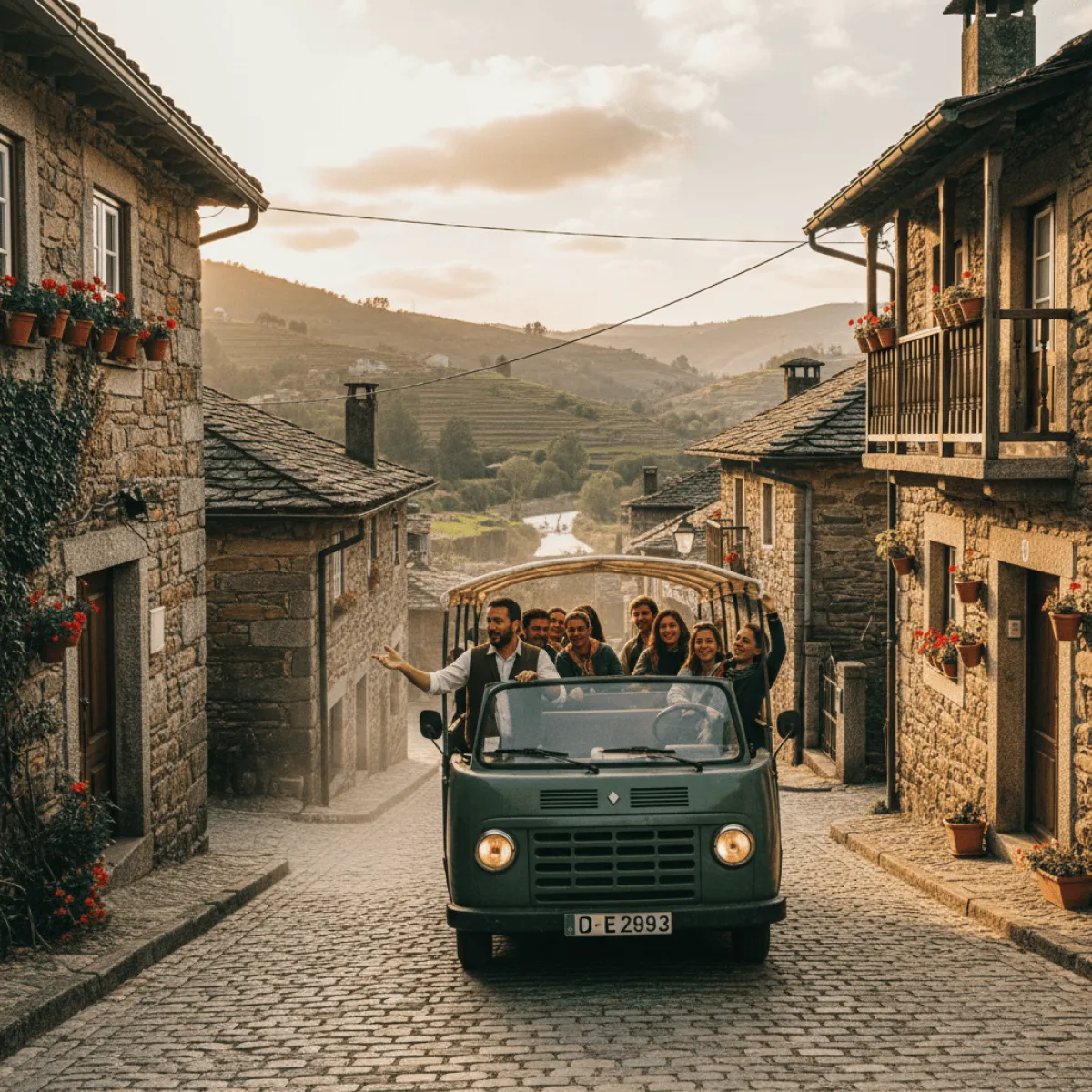
Sabugueiro at 1,200 metres, Valezim with its granite houses clinging to the hillside, Vale de Amoreira tucked into a turnoff nobody takes. This loop through Serra da Estrela's stone villages isn't packaged as a tourist product, but there's an honest way to do it with a local guide: Trans Serrano will drive you through the narrow roads that connect these three places, and their itinerary is flexible enough that you can ask for exactly this route.
What this actually is
Trans Serrano runs van tours in Serra da Estrela with departures from Manteigas, Seia or Covilhã at 9:30 AM. The vehicle has a driver-guide, fits up to 8 passengers, and the route isn't fixed. They adjust it on the day depending on weather, what the group wants to see, and how much time you have. To get this specific loop, Sabugueiro, Valezim and Vale de Amoreira, you need to request it when booking. It's not their standard route, but they do it.
There are two formats: half-day (around 3 hours) and full day (6 hours). The three-village loop needs the full day, particularly if you want to stop for lunch and actually look at things instead of glancing at them through a window. Prices are per vehicle, not per person, which means if you're a group of 6 or 7 the cost is reasonable. Confirm rates and availability directly with the provider.
How to book
- Operator: Trans Serrano
- Website: transserrano.com
- Email: geral@transserrano.com
- WhatsApp: +351 961 787 772
- Meeting point: Manteigas, confirmed at the time of booking
- Time: 9:30 AM
The loop, stop by stop
Sabugueiro: the first stop is early on purpose
Leaving Manteigas, the prettiest route to Sabugueiro goes via Penhas Douradas and Vale do Rossim. Ask the guide to take the plateau road. It's slower but the morning light over the beech trees and the Serra da Estrela mountain dogs still lounging in courtyards is worth it. You'll arrive in Sabugueiro early, ideally before 11 AM, because after that the streets fill up with bus groups and the place loses what makes it interesting: the silence between the low schist and granite houses, smoke from chimneys on cold mornings, the older men sitting on stone benches watching the world go by.
Don't buy anything from the stalls on the main street. The small cheeses that look like Serra cheese are not Serra cheese. For the real thing, see our guide to buying Serra da Estrela cheese direct from producers in Manteigas, which is where the proper stuff is.
Valezim: the stop everyone skips
From Sabugueiro you drop down to Valezim on a road that winds between corn terraces and fruit trees. This is where the loop gets interesting. Valezim is smaller, more authentic, and almost always empty. The São João Chapel, the narrow streets of granite houses, and the Museu dos Engenhos (a small museum of water-powered mills) deserve a solid half hour.
Here's what few people know: during World War II this area had active tungsten and tin mines, supplying both sides of the conflict. The Trans Serrano guide usually talks about this and points out remains of the old workings. It's not a formal visit, it's a leg-stretch stop, a chance to ask what happened to this village when the world came shopping for war metal, and then move on.
Lunch: where to stop between the two halves
Two honest options. The first is to drive back to Manteigas for lunch (about 35 minutes) and eat at Café Caramelo, which serves home cooking without theatre. The second is to bring a picnic and stop at a viewpoint between Valezim and Vale de Amoreira, which is what I prefer. Ask Trans Serrano to stop at a bakery in Seia before you reach Sabugueiro, buy fresh bread, cheese (the good stuff), cured meats and fruit.
Vale de Amoreira: the village worth the detour
Vale de Amoreira is the last and the most hidden. It sits down a turnoff from the main road, on a slope sheltered from the wind. Stone houses, narrow streets, the Chapel of Nossa Senhora da Anunciação, and near-total silence in winter. In summer the village fills up with emigrants returning from France and Switzerland, and it takes on a different character, louder, more lived-in.
What I recommend doing here: ask the guide to stop for 45 minutes and walk up through the higher streets. There's a view over the Zêzere valley that isn't in any guidebook, the kind a local knows and nobody writes down. For walkers, the PR9 MTG trail (the Vale de Amoreira loop) starts here. It's a short circular route worth saving for another day.
What to bring
- Comfortable closed shoes with grip. You'll be walking on uneven stone.
- Windproof jacket even in summer. The villages sit at 800-1200 metres and the wind bites.
- Reusable water bottle. There are fountains in all three villages.
- Small cash notes. Some grocery shops and producers don't take cards.
- A decent camera. Phones don't capture the texture of wet granite.
When to go
The best months are May-June or September-October. Summer brings real heat to Vale de Amoreira (up to 35 degrees) and crowds to Sabugueiro. Winter is beautiful but roads can be closed by snow, particularly between Sabugueiro and Valezim. If you're going in January or February, confirm conditions with the guide the day before, and read our guide on where to sleep in Manteigas when it snows.
Where to base yourself
The smart move is to sleep in Manteigas the night before and the night after. Casa da Vila is a five-minute walk from the centre and works well as a base. If you want to understand Manteigas before the loop, walk through the Burel Factory the afternoon before. It's good preparation for understanding what these villages used to produce before the world changed on them.
What to expect from the guide
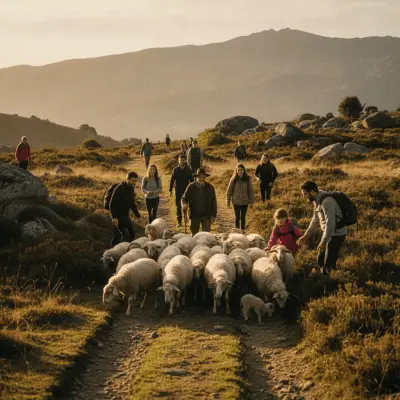
Trans Serrano uses local guides, who speak Portuguese and English. They're people from the region, not tourism actors, and the quality of the conversation depends on which guide you get. The best moments of the day aren't the official stops, they're the stories told between villages: about tungsten, about the shepherds still walking flocks up to the high pastures, about the houses being bought by foreigners and what that's changing. Ask questions. They answer.
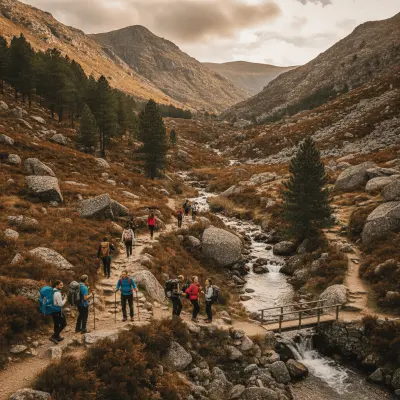
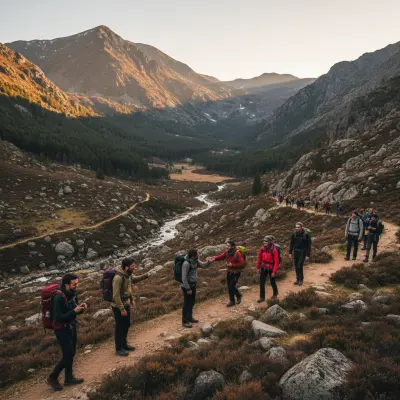
If you want more serious Manteigas, pair this loop with the Glacial Valley hike the following day and visit the Snow Wells trail later in your stay.