Fado de Coimbra in Coimbra: A Guide to Authentic Houses
In Coimbra you don't clap fado, you cough. An honest guide to the two authentic houses, Fado ao Centro and aCapella, with times, prices and the etiquette rule that catches every visitor off guard.
What Fado de Coimbra actually is
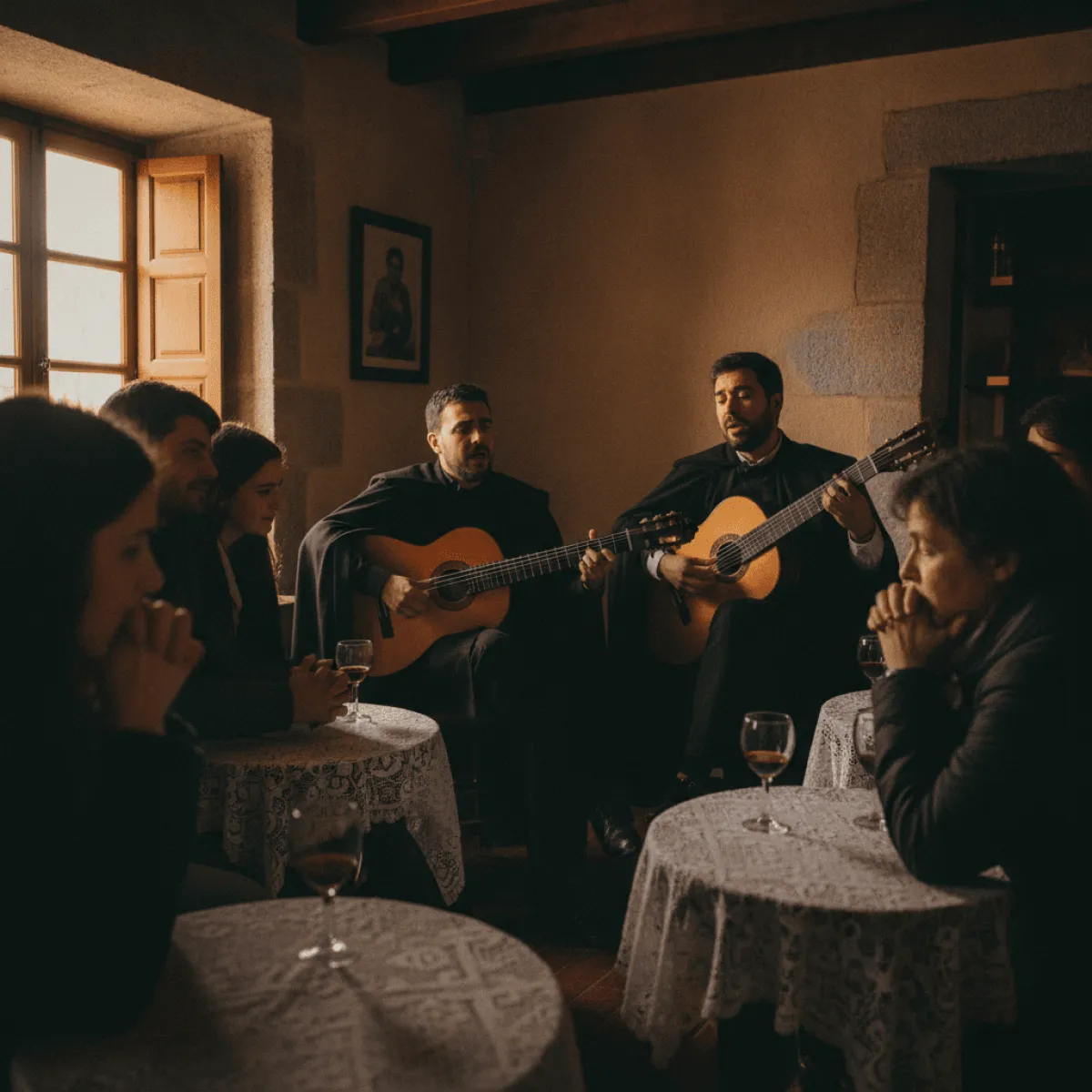
Forget the Lisbon fado for a moment, with its shawled female singers and tavern sadness. Fado de Coimbra is a different animal. It is sung in the black student cape and gown, traditionally by men (many of them former University students), and it grew out of the serenades that boys would sing under the windows of the women they were courting. It is more academic, more restrained, and it has one rule that catches every visitor off guard: you do not clap. You cough. A discreet clearing of the throat is the correct way to show approval. Applause is considered disrespectful, a hangover from the days of late-night serenades when nobody wanted to wake the sleeping city.
If you are coming to Coimbra to hear fado, there are two houses genuinely worth your evening, and this guide is honest about the difference between them.
Fado ao Centro: the best way in
This is the house I send anyone who has never heard Fado de Coimbra. It sits at Rua do Quebra Costas nº 7, halfway up the steep street that links the lower town to the old cathedral, in a small room with wooden chairs and dry acoustics. The show runs about 50 minutes and offers something the other houses do not: explanation. Before each piece, someone sets the context in both Portuguese and English, so you can hear the difference between the sung fado and the Coimbra guitar, with its particular metallic, melancholy tone.
The group is usually one or two singers and two guitarists, a classical guitar and the teardrop-shaped Portuguese guitar. At the end they pour you a small glass of port and you can talk to the musicians, who tend to linger. The adult ticket is around 14 euros and the youth ticket (ages 7 to 18) around 7 euros, but check current prices on their online box office.
Times and booking
There is an open rehearsal in the mid-afternoon and the main concert around 6 PM. The room is small and fills up, especially in summer and during Queima das Fitas season, so book ahead. You can buy tickets at fadoaocentro.com, by phone (+351 239 837 060) or by email (info@fadoaocentro.com).
aCapella: for a longer night
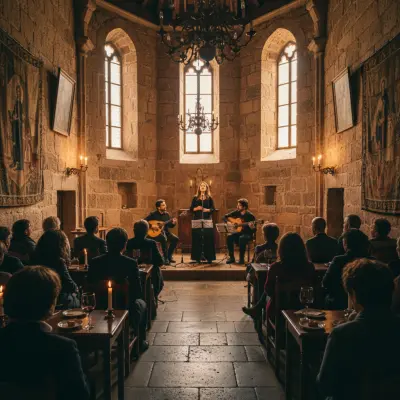
The second authentic house is aCapella, set inside a restored 14th-century chapel on Rua do Corpo de Deus. The mood is completely different: stone, vaulted ceilings, low light, and the concert starts later, around 9:30 PM. Here the point is the whole evening, not just the 50 minutes of music. There is a bar, tapas service and a terrace, and you can pair dinner with the show. The concert-only ticket runs around 10 euros, but if you want to eat, budget considerably more and confirm directly with the provider.
My honest take: if you only have one night and want to understand what Fado de Coimbra is, go to Fado ao Centro for the clarity of the explanation. If you already know it and want something more immersive, with old stone around you and a glass of wine in hand, aCapella wins on atmosphere.
The best moment
The peak, in either house, is when the Portuguese guitar takes a solo. That high, trembling sound, which seems to weep without words, is what truly sets Coimbra apart. Watch the guitarist's right hand: the tremolo, played with false nails or finger picks, is what creates that continuous shimmer. There are no production tricks, it is all live, a metre from your seat.
Practical advice
- Arrive 15 minutes early. Seats are not assigned in the smaller houses, and the front rows hear best.
- Don't clap, cough. You know the rule now. It feels strange the first time, but it is the correct etiquette.
- Bring a light jacket. aCapella, being stone, stays cool even in summer.
- Pair it with the climb to the Alta. Fado ao Centro sits halfway between the old cathedral and the University, so it fits neatly into a late afternoon exploring Coimbra's upper town.
- Eat nearby. For a serious plate of petiscos before the music, Zé Manel dos Ossos is a few minutes' walk away, though the queues are legendary.
Getting there
Both houses are in the historic centre, on pedestrian streets and uphill. Do not try to drive: park in the lower town or by the river and walk up. If you want to start the evening with a view over the city at dusk, the Miradouro do Vale do Inferno is a good place to begin before heading down for the concert.
Is it worth it?
It is, for one simple reason: it is one of the few Portuguese musical traditions still heard in the place it was born, played by people who inherited it directly from the city's student life. This is not a show staged for tour buses; it is a small room, musicians within arm's reach, and half an hour where nobody looks at a phone. To understand Coimbra beyond the University photographs, start here. If you want more on the city's backstory, our guide to Coimbra and its history helps explain where all this tradition comes from.

Similar Experiences

Forest Bathing in Mata do Bussaco: Half-Day from Coimbra

Liquid Gold in Coimbra: A Professional Olive Oil Journey at Passeite