The military history Angra doesn't advertise
Angra do Heroísmo didn't earn the "Heroísmo" (heroism) in its name by accident. This city on Terceira Island was a theatre of battles, sieges, and military decisions that shaped Portugal's destiny across centuries. Yet most visitors stick to the harbour views, the Monte Brasil hike, and the colourful rooftops. All fine, but if you want to understand why this small Atlantic city mattered so much to European powers, you need to visit the Núcleo de História Militar Manuel Coelho Baptista de Lima.
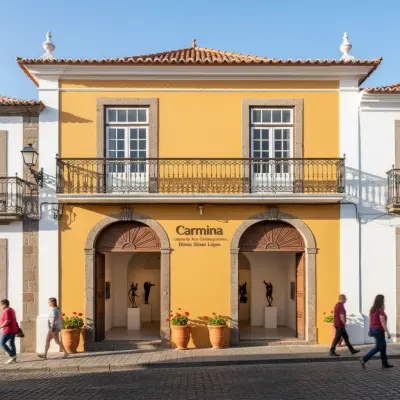
This military history wing is part of the broader Museu de Angra do Heroísmo, sharing management and curatorial standards, but it occupies its own space on Rua da Boa Nova in the historic centre. It's a short walk from the main square, Praça Velha, and fits naturally into any walking route through Angra's UNESCO-listed streets.
What's inside
The collection focuses on the military history of the Azores: weaponry, uniforms, and documents from the military campaigns connected to the archipelago. This is not a sprawling institution with dozens of rooms. It's a focused nucleus, which honestly works in its favour. You can see everything properly in under an hour without hitting that museum fatigue where you start speed-walking past display cases.
The space is named after Manuel Coelho Baptista de Lima, a key figure in the preservation of Azorean military and cultural heritage. The exhibits span several periods, from early disputes over control of the islands to the strategic role the Azores played in more modern conflicts. What the museum does well is contextualise: they don't just put a sword in a glass case with a label. There's a narrative thread connecting each piece to the territory and its people.
Who should go
If military history is your thing, this is an obvious stop in Angra. If it isn't particularly, go anyway. The context it provides about the Azores' strategic importance in the Atlantic will change how you see the city. Angra is not just pretty houses and popular festivals, as we cover in our guide to the local festival calendar. It's a point on the map that European powers fought over for centuries, and this museum explains why.
For families: children around 10 and older with some curiosity about history will get something from it. Younger kids will likely lose interest.
Practical details
Admission is cheap, in the single-euro range. For current opening hours, check the official website or call +351 295 218 383 directly, as hours can vary by season. The address is Rua da Boa Nova, 9700-031 Angra do Heroísmo.
No dress code, no reservations needed, and the visit is fairly quick. My suggestion: pair it with the main Museu de Angra building in the same morning, then head to O Forno for lunch nearby. An alcatra (Terceira's signature slow-cooked beef dish) after a morning of museums feels well earned.
- Address: Rua da Boa Nova, 9700-031 Angra do Heroísmo
- Phone: +351 295 218 383
- Website: museu-angra.cultura.azores.gov.pt
- Price: € (budget-friendly admission)
- Confirm hours directly before visiting
Why it matters
Angra do Heroísmo served as the seat of the Captaincy General of the Azores, a naval base, a stopover for Atlantic fleets, and a battleground during Portugal's Liberal Wars. The "Heroísmo" was added to the city's name in 1837 in recognition of its resistance during those wars. So when you walk those handsome streets lined with palaces and churches, you're walking over centuries of military strategy. This museum takes that dimension of the city and makes it visible.
Is it worth it? Absolutely. It won't dominate your Instagram feed, but it's the kind of visit that makes the rest of your time in Angra make more sense. And that, to me, is what good travel is about.