
Visit
€
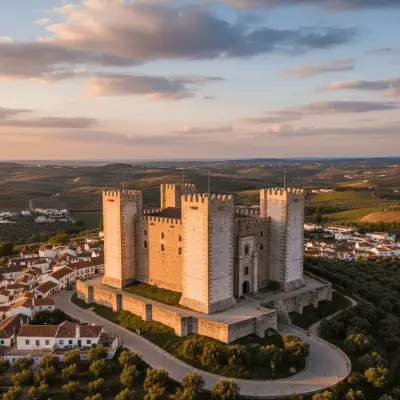
Castelo de Vila Viçosa
Vila Viçosa
A 110-metre marble façade, 600 copper pieces lining the kitchen walls, and royal quarters sealed in 1908 days before the regicide. The Ducal Palace of Vila Viçosa is less Versailles than family home, and that is exactly what makes it unforgettable.
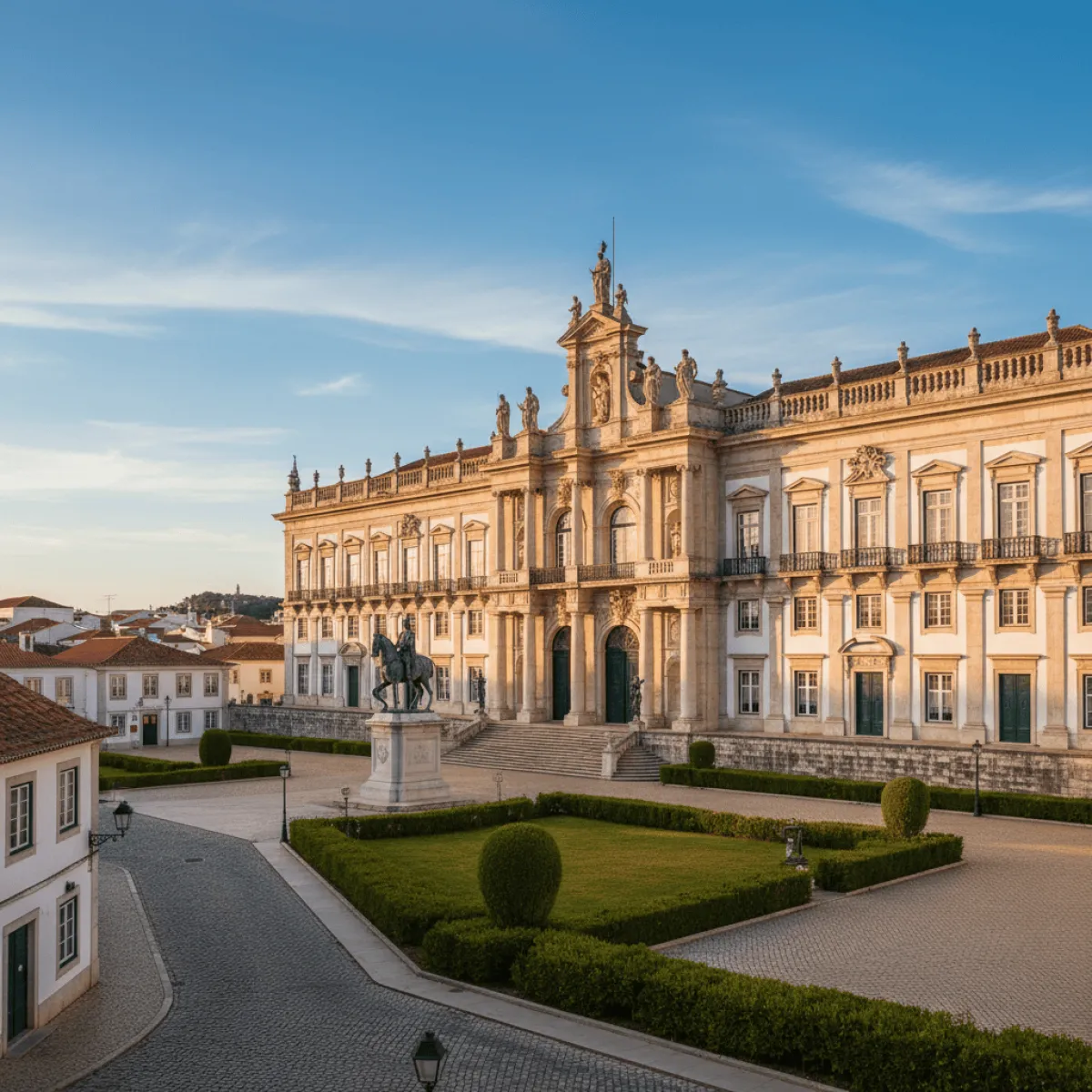
The Paço Ducal de Vila Viçosa is one of those rare Portuguese buildings that still feels like it belongs to the family that built it. In a way, it does. The Casa de Bragança Foundation has run it since 1933 and treats the place as a family home rather than a museum. That single decision changes everything about visiting. You are not walking through an embalmed monument, you are stepping into a residence where the porcelain still sits in the cabinets, the portraits still look down from the walls, and the furniture still occupies the spots it was made for.
The address gets straight to the point: Terreiro do Paço, 7160-251 Vila Viçosa. The palace runs along the entire north side of the square, and the 110 metre white marble façade is the first thing that will stop you. Not because of the scale, although it is considerable, but because of the cold brightness of the local marble, quarried just a few kilometres away. It is the material that defines this whole corner of the Alentejo, and reason enough on its own for a slow visit to Vila Viçosa instead of a rushed stop.
The visit is guided only. You cannot wander alone or set your own pace, and the tour runs around 60 to 75 minutes. Tickets are roughly 8 euros for the main palace, more if you combine with the Armoury, the Carriage Collection, and the Treasury. I recommend the combined ticket. The annexes are more surprising than they look on paper, and the price difference is small.
Inside the palace, three rooms justify the trip on their own. The Sala dos Duques, with full-length portraits of the dukes of Braganza painted on the ceiling by João Glama Strobërle in the 18th century. It is one of those ceilings that forces you to tilt your head back for minutes at a time. The Sala de Hércules, with Flemish tapestries depicting the labours of the hero, in remarkable condition for their age. And the ground floor kitchen, where more than 600 copper pieces line the walls, each one stamped with the ducal crown. It is a domestic spectacle that few visitors expect.
What is not worth it: trying to see everything in one day. The Armoury alone needs 30 minutes, the Carriage Collection another 30, and the accumulated fatigue means you end up rushing through King Carlos I's private quarters, which are actually the most moving part of the house. These rooms were sealed in 1908, days before the regicide in Lisbon, and have not been touched since. The hairbrush is still on the dresser. The desk calendar still shows the date the family left, never to return. It is the kind of detail that justifies the visit more than any tapestry.
Vila Viçosa sits in the Central Alentejo, about 180 km from Lisbon and 55 km from Évora. By car it is just over two hours from the capital via the A6 to Borba, then ten minutes on the N255. Without a car things get complicated. There are Rede Expressos buses, but the schedule is thin and you usually change in Estremoz. My practical suggestion: rent a car, or build it into a longer route that includes Évora, Estremoz, and Elvas.
The palace is in the historic centre, a short walk from the castle and the parish church. You can cover the whole town on foot in 20 minutes. For accommodation, two options change the register of the trip. The Pousada Convento de Vila Viçosa, set inside the former Convent of the Chagas, is the more historic choice and sits literally across the square from the palace. The Alentejo Marmòris Hotel & Spa is more contemporary, with a decent spa and marble-clad rooms that, fittingly, remind you the region was built on this stone.
Full opening hours are not reliably available online and shift with the season. Before planning your day, call +351 268 980 659 or check the Casa de Bragança Foundation website. The palace closes on Mondays, that much is certain, and January is usually reserved for maintenance closures. In August and on bank holiday weekends, the guided tours fill up by mid-morning, so go early or after 3 pm.
There is no dress code, but comfortable shoes are essential. The floors are marble, slippery when wet, and there are stairs. Photography without flash is allowed in most rooms, with the exception of those holding tapestries and antique textiles. Cards work at the ticket office, but a few shops in town are still cash only, so bring some change.
Leaving the palace without visiting the ducal gardens would be a mistake. Entry is separate but inexpensive, and the Jardim do Bosque, designed in the 17th century, is one of the oldest in the country. Orange trees, baroque fountains, and a silence that contrasts sharply with the formality of the rooms inside. For the rest of the day, three logical paths open up. If you like wine, follow the wine route between Vila Viçosa and Borba, with cellars 15 minutes away by car. If your dates line up, try to combine the visit with a concert from the Ducal Palace music season, held in the palace rooms themselves. And if you are travelling in May or June, check the town's festival calendar, which includes the annual Renaissance fair.
It is, with the right expectations. The Paço Ducal is not Versailles, and anyone arriving hoping for gilded excess and endless ballrooms will leave disappointed. What you get instead is something rarer: the strong sensation of visiting a house that stopped in 1908, managed by a foundation that respects the building's quiet. The 8 euros are well spent, the 90 minutes pass quickly, and the café on the square next door pours a decent espresso to sort your thoughts afterwards.